A completely empty flight sounds like an aviation myth—something whispered about in travel forums or dramatized in movies. Yet, in the real world of commercial aviation, it is a rare but very real phenomenon. While airlines operate on razor-thin margins and obsess over load factors, there are moments when a jet pushes back from the gate carrying no passengers at all. No boarding calls, no overhead bin chaos, no inflight beverage service—just crew, cargo (sometimes), and a mission that goes far beyond ticket sales.
The logic behind these ghostly journeys is not as irrational as it seems. In fact, when viewed through the lens of airline operations, logistics, and economics, an empty flight often makes perfect sense—even if it appears to be a financial loss on the surface.
Why Airlines Sometimes Fly Without Passengers
At first glance, sending a multi-million-dollar aircraft into the sky without paying customers feels like lighting money on fire. But airlines rarely make decisions based on a single flight’s profitability. Instead, they operate within a complex ecosystem where network integrity, scheduling precision, and long-term revenue outweigh the short-term loss of an empty cabin.
Consider a simple route: a morning departure that appears nearly empty. That same aircraft may be scheduled for a fully booked return flight later in the day, or it may continue onward to another destination where demand is high. Canceling the initial leg would disrupt the entire chain, creating a cascading effect across multiple flights.
Airlines think in sequences, not snapshots. One empty segment can be the necessary first domino in a profitable day of operations.
The Domino Effect of Cancellation
Canceling a flight is not a clean reset—it’s a logistical earthquake. Aircraft are assigned to tightly choreographed rotations, often spanning several cities in a single day. Crew schedules are equally rigid, governed by strict duty time regulations and contractual obligations.
If one flight is canceled:
- The aircraft may end up in the wrong city
- Pilots and cabin crew may exceed legal duty limits
- Subsequent flights may face delays or cancellations
- Passengers across multiple routes may require rebooking
The cost of this disruption can quickly exceed the losses incurred by operating an empty flight. What seems inefficient in isolation becomes essential in context.
The Illusion of Empty Seat Maps
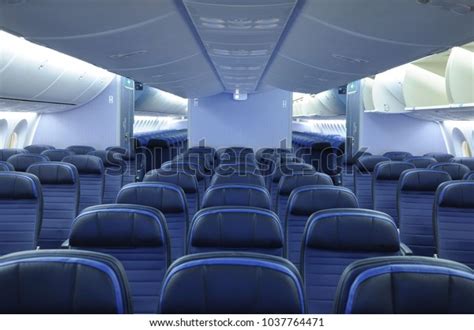
Passengers often rely on seat maps to gauge how full a flight is. Seeing rows of unassigned seats can create the impression that a flight is nearly empty—and possibly at risk of cancellation. However, this assumption is frequently misleading.
Airlines use different booking systems. Some assign seats only at check-in, while others block certain rows for operational reasons. Additionally, last-minute bookings, standby passengers, and staff travel can significantly change the passenger count closer to departure.
An empty-looking seat map is not a reliable indicator of reality. More importantly, it is not a signal that the airline plans to cancel the flight.
Operational Flights: More Than Just Passenger Transport
Not every flight is designed to carry passengers. Aviation is filled with non-revenue operations that are critical to keeping fleets functional and compliant.
Training and Certification Flights
Pilots and cabin crew must maintain currency—meaning they need regular flight experience to stay certified. During periods of low demand, such as global travel downturns, airlines may operate flights specifically to keep crews qualified.
These flights often carry no passengers but serve a vital regulatory purpose. Without them, airlines risk grounding their workforce.
Maintenance and Testing Flights
Aircraft occasionally require test flights after maintenance work. Engineers and pilots use these flights to verify that all systems are functioning correctly before returning the aircraft to service.
Flying empty eliminates risk and allows for controlled testing conditions.
Aircraft Repositioning (Ferry Flights)
Airplanes are not always where they need to be. A jet might be required in another city to operate a scheduled service, even if there is no demand for a passenger flight on that route.
In such cases, airlines conduct ferry flights—essentially moving the aircraft from point A to point B without passengers.
Cargo: The Invisible Revenue Stream
Even when passenger cabins are empty, the aircraft’s cargo hold may tell a different story. Airlines transport vast quantities of freight, from mail and medical supplies to high-value goods.
Cargo operations can sometimes justify a flight on their own. In fact, during periods of reduced passenger demand, cargo has played a crucial role in sustaining airline revenue.
An “empty” flight, therefore, may not be empty at all—it may simply be invisible to passengers.
Why Canceling Can Cost More Than Flying
Airlines are bound by consumer protection regulations in many regions. Canceling a flight can trigger a chain of financial obligations:
- Rebooking passengers on alternative flights
- Providing hotel accommodations
- Offering meals and compensation
- Managing customer service disruptions
These costs add up quickly, especially when multiple passengers are affected. In some cases, it is cheaper to operate the flight at a loss than to deal with the consequences of cancellation.
There’s also the intangible cost of customer trust. Frequent cancellations can damage an airline’s reputation and drive passengers toward competitors.
Performance Benefits of an Empty Aircraft
Ironically, an empty aircraft is a pilot’s dream from a performance standpoint. With significantly reduced weight, the plane requires less runway for takeoff, burns less fuel, and climbs more efficiently.
While these savings do not offset the absence of passenger revenue, they do reduce the operational cost of the flight. Every kilogram matters in aviation, and a lighter aircraft is inherently more efficient.
Staff Travel and Standby Passengers
Empty seats rarely go to waste. Airlines often fill them with staff traveling on standby tickets. These may include off-duty crew repositioning for future assignments or employees commuting between bases.
While these travelers do not generate revenue in the traditional sense, they contribute to operational efficiency by ensuring that personnel are where they need to be.
Charter and Business Aviation: Empty Flights Are Normal
In the world of private aviation, empty flights are not unusual—they are expected. Aircraft frequently reposition to pick up clients or return to their home base after completing a charter.
These segments, known as empty legs, are sometimes sold at discounted rates, offering travelers a rare opportunity to experience private jet travel at a fraction of the usual cost.
The economics are different from commercial aviation, but the principle is the same: the aircraft needs to move, regardless of passenger presence.

The Rise of “Ghost Flights” and Slot Strategy
One of the most controversial reasons for empty flights lies in airport slot management. At busy airports, takeoff and landing slots are incredibly valuable assets. Airlines must use these slots regularly or risk losing them.
In the past, this led to the phenomenon of “ghost flights”—aircraft operated with few or no passengers simply to retain slot rights. These flights sparked criticism for their environmental impact and apparent wastefulness.
While regulations have evolved to reduce the need for such practices, the underlying issue remains: airport capacity is limited, and access is fiercely competitive.
Slots are not just time windows—they are strategic footholds in key markets. Losing one can mean surrendering a route to a rival airline.
The Bigger Picture: Network Optimization
Airlines are not in the business of maximizing profit on individual flights. Their goal is to optimize the entire network. This means balancing supply and demand across hundreds or even thousands of daily operations.
An empty flight can serve multiple purposes within this network:
- Positioning aircraft for high-demand routes
- Maintaining schedule reliability
- Supporting cargo logistics
- Preserving airport slots
When viewed through this broader lens, the decision to operate an empty flight becomes less about loss and more about strategic alignment.
Passenger Experience: The Rare Empty Flight
For the rare passenger who finds themselves on a nearly empty flight, the experience can feel surreal. Entire rows become personal lounges, cabin crew offer more attentive service, and the usual stress of air travel melts away.
However, a completely empty commercial flight with a single passenger is extraordinarily rare. More often, flights with very low occupancy still carry a handful of travelers, staff, or cargo.
And despite the temptation to assume otherwise, airlines do not upgrade passengers simply because seats are available. Cabin class boundaries are governed by revenue management, not generosity.
When Flights Actually Get Canceled
Despite all these reasons to operate, flights do get canceled—but typically for factors unrelated to passenger numbers.
Common causes include:
- Technical issues with the aircraft
- Severe weather conditions
- Air traffic control restrictions
- Crew availability problems
Low demand alone is rarely enough to justify a last-minute cancellation. By the time departure approaches, the operational machine is already in motion.
Aviation’s Balancing Act
Running an airline is an exercise in constant compromise. Every decision involves trade-offs between cost, efficiency, reliability, and customer satisfaction.
Empty flights are not signs of failure—they are symptoms of a system designed to function at scale. They reveal the hidden complexity of an industry where timing, positioning, and coordination matter more than any single revenue stream.
Final Perspective: Not Empty, Just Misunderstood
What appears to be an empty flight is rarely meaningless. It is a calculated move within a vast operational network, shaped by constraints that most passengers never see.
Behind every departure—full or empty—is a web of decisions involving crew logistics, aircraft utilization, regulatory compliance, and future profitability. The absence of passengers does not signal a lack of purpose. On the contrary, it often highlights just how intricate and interconnected modern aviation has become.
So the next time a flight seems unusually quiet, remember: the real story isn’t in the cabin. It’s in the strategy that put the aircraft there in the first place.