Long-haul flights often feel mysterious from a passenger’s perspective. Travelers board the aircraft, settle into their seats, eat a meal, perhaps watch a movie, and eventually wake up somewhere across the world. To many passengers, cabin crew appear briefly during boarding, meal service, and landing. Yet behind those brief interactions lies an intense, carefully coordinated operation that unfolds across the entire flight.
For cabin crew, a 12-hour long-haul flight is not a quiet overnight journey. It is a structured sequence of safety procedures, service responsibilities, and constant vigilance. While hundreds of passengers sleep, watch films, or stare out the window at the darkness above the ocean, flight attendants remain alert, ensuring that every aspect of the cabin environment stays safe and functional.
A single crew member is typically responsible for dozens of passengers. Aviation authorities such as the Federal Aviation Administration (FAA) and the European Union Aviation Safety Agency (EASA) require airlines to maintain a specific crew-to-passenger ratio, primarily for safety rather than service. That means flight attendants must manage service tasks while remaining fully prepared for emergencies ranging from medical incidents to unexpected turbulence.
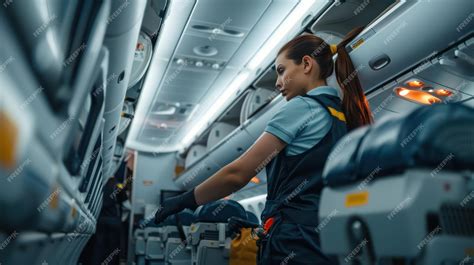
The rhythm of a long-haul flight is surprisingly complex. From the moment the crew reports for duty until the aircraft finally parks at the gate many hours later, every step is guided by strict procedures, safety checks, and coordinated teamwork. Understanding that process reveals just how much work happens behind the scenes during a journey that many passengers experience mostly while asleep.
Pre-Flight Preparation: Where the Long Journey Really Begins
A long-haul flight begins long before passengers even arrive at the airport gate. Cabin crew typically report for duty around 90 minutes before departure, though this timing can vary depending on airline procedures and aircraft size. This period is critical for preparation and communication.
Crew members begin by reviewing their flight schedules and operational updates. Safety notices, procedural changes, and route-specific information are examined carefully. Aviation procedures evolve constantly, and every flight demands the most current safety knowledge.
The Senior Cabin Crew Member (SCCM) leads the official pre-flight briefing. During this meeting, the entire crew gathers to review important operational details. These include the planned flight duration, expected turbulence zones, weather patterns, and passenger-related considerations such as passengers with reduced mobility (PRMs) or unaccompanied minors (UNMINs).
Assignments are also made during this briefing. Crew members learn exactly which cabin they will work in—economy, premium economy, business class, or first class. Each area has different service procedures and passenger expectations.
Safety knowledge is not assumed. Each crew member may be asked questions about Safety and Emergency Procedures (SEP) or first aid protocols. The purpose is simple: if an emergency occurs at 35,000 feet, there is no time to consult a manual.
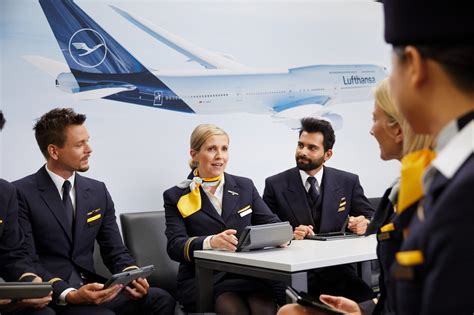
Pilots often join the briefing as well. They introduce themselves, confirm the flight time, discuss expected weather along the route, and provide any operational notes that may affect the cabin.
Once the briefing ends, the crew heads through security and toward the aircraft. Only then does the visible part of the journey begin.
Boarding the Aircraft: Safety Before Service
When cabin crew first step onto the aircraft, passengers are nowhere in sight. Boarding cannot begin until an extensive series of security and safety inspections is completed.
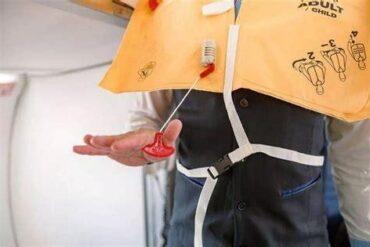
Each flight attendant checks their assigned area thoroughly. Emergency equipment must be verified to ensure that it is present and operational. Items such as oxygen bottles, fire extinguishers, emergency medical kits, and life vests are inspected carefully.
The galley—the compact kitchen area of the aircraft—also receives detailed attention. Catering deliveries are counted and confirmed, bar carts are secured, and duty-free inventory is checked.
Lavatories and storage compartments are inspected for unusual items or signs of tampering. Security checks are essential because the aircraft may have been parked or serviced by multiple ground teams before the crew arrived.
Once all checks are complete, the SCCM communicates with the pilots and ground staff to confirm that the aircraft is ready for passengers.
Boarding then begins, and the atmosphere shifts instantly. Cabin crew greet travelers while quietly observing behavior. Signs of illness, intoxication, or aggression must be identified early, as these situations can create serious complications during flight.
Passengers receive assistance with overhead luggage, special seatbelts for infants, and seating guidance. Meanwhile, crew members mentally note individuals who may require additional help during a potential evacuation.
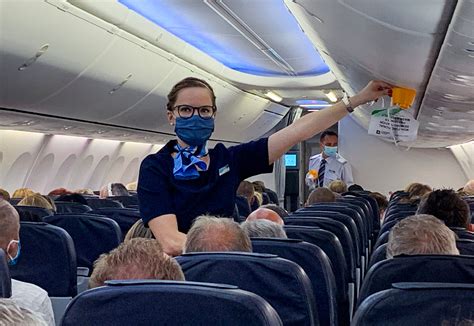
Before departure, the crew performs the safety demonstration, explaining how to use seatbelts, oxygen masks, and emergency exits. Even frequent travelers who have seen the demonstration dozens of times rely on the crew’s preparedness if a real emergency occurs.
After confirming the cabin is secure, flight attendants take their jumpseats and conduct a silent review of emergency procedures during takeoff.
The First Service: Feeding Hundreds at 35,000 Feet
Once the aircraft reaches cruising altitude and the seatbelt sign switches off, the first major cabin service begins. For many long-haul flights, this occurs shortly after departure, especially on overnight routes where passengers want to eat before sleeping.
In the galley, flight attendants begin a carefully coordinated process of heating meals, preparing beverages, and organizing service carts. Timing is critical. With hundreds of passengers onboard, efficiency determines whether service runs smoothly.
The first stage is usually a bar service, where crew members serve beverages and snacks throughout the cabin. This includes both alcoholic and non-alcoholic options.
Meal service follows shortly after.
In economy class, meals are typically served on a standard tray containing a main dish, side items, dessert, and bread. Although simple compared to premium cabins, distributing hundreds of trays across a large cabin requires precise coordination.
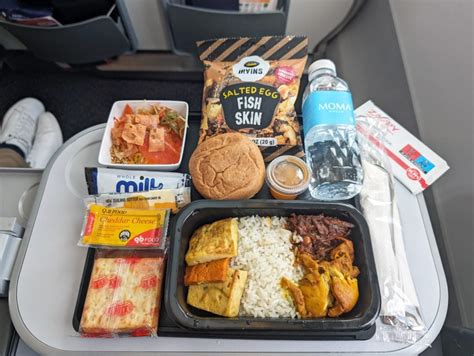
Business class service is more elaborate. Meals are presented on china plates with linens, and passengers choose from multiple courses. Wine service is often included, and flight attendants must remember individual preferences.
In first class, service becomes highly personalized. Meals may be cooked or plated on demand, and passengers can choose when they want to dine rather than following a strict schedule.
By the time the meal service ends, the crew has already been working intensively for several hours. Clearing trays, collecting trash, and organizing carts takes nearly as long as serving the food itself.
Once everything is cleaned and stored, another unique aspect of long-haul travel begins.
Mid-Flight Operations: The Quiet Work While Passengers Sleep
After the initial service ends, cabin lights dim and most passengers attempt to sleep. From the outside, the aircraft appears calm and quiet.
Inside the cabin, however, work continues.
Cabin crew perform security checks every 20 to 30 minutes. These patrols ensure that no safety hazards exist and that passengers remain comfortable. Lavatories are inspected, aisles are cleared, and any unusual situations are addressed quickly.
At the same time, one crew member periodically checks the flight deck, confirming that pilots are well and that no assistance is required.
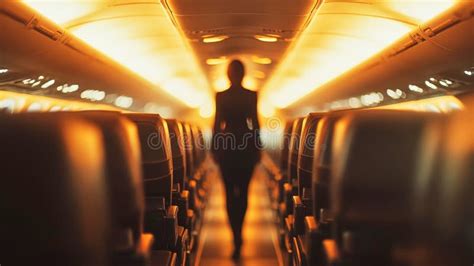
Passengers may notice occasional walk-throughs offering water or juice trays. Hydration becomes important during long flights, and these quiet services allow crew to monitor the cabin without waking travelers unnecessarily.
During this phase, the crew also handles call bells, medical concerns, and occasional passenger requests. While most flights remain uneventful, flight attendants must always be ready for unexpected situations.
Maintaining alertness throughout the night can be challenging. Many crew members rely on small amounts of coffee and careful pacing to stay focused.
Crew Rest: Short Breaks in Hidden Compartments
Long-haul flights require mandatory crew rest periods. Airlines schedule additional crew members so that half the team can rest while the other half remains on duty.
Crew rest areas are often hidden from passenger view. On some aircraft they are located above the passenger cabin, while others place them near the tail section or within modified cargo compartments.
These areas contain compact bunk beds with curtains, pillows, and blankets. The space is small but functional, providing a place for crew members to sleep for a few hours.
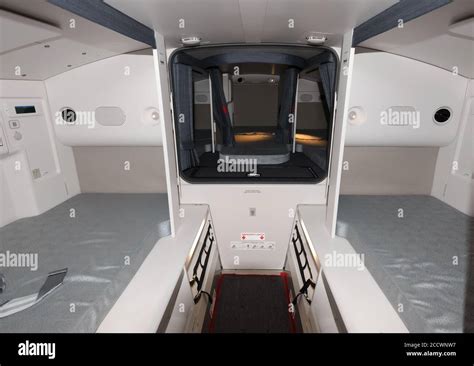
Depending on the flight length, rest periods may last between one and four hours. Afterward, the teams switch roles so that the previously resting crew returns to duty.
Although these breaks are essential, they rarely feel long enough. Jet lag, cabin noise, and irregular sleep schedules make quality rest difficult.
Even so, these rest periods ensure that crew members remain alert and capable of responding to emergencies during the final hours of the flight.
The Second Service: Waking the Cabin
Approximately 90 minutes before landing, the quiet nighttime atmosphere begins to change.
Cabin lights gradually brighten as flight attendants prepare the second service, which is usually a lighter meal such as breakfast.
Meals are heated in advance while coffee and tea equipment are prepared. Once service begins, the cabin quickly comes alive as passengers wake, stretch, and check their arrival details.

The breakfast service may include items such as pastries, eggs, yogurt, or fruit depending on the airline and route. Tea, coffee, juices, and water accompany the meal.
Once passengers finish eating, the crew clears trays and begins preparing the cabin for landing. Blankets, headphones, and trash are collected while duty-free carts are secured and paperwork is finalized.
This stage requires careful attention because loose items can become hazards during landing.
Preparing for Landing: Precision in the Final Minutes
As the aircraft begins its descent, the cabin must be restored to a fully secured configuration.
Seatbacks must be upright, tray tables stowed, window shades adjusted according to airline policy, and overhead bins closed. The galley is locked down and carts are secured to prevent movement.
Flight attendants perform one final walk-through, confirming that every passenger complies with safety instructions.
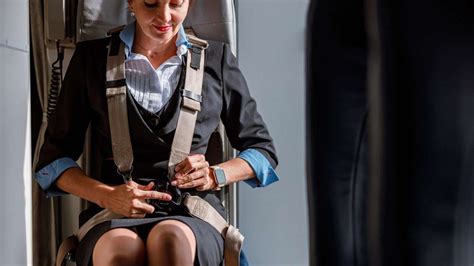
Once the seatbelt sign activates, the crew takes their jumpseats again and performs another silent review of emergency procedures. The lights dim slightly as the aircraft descends toward the airport.
When the plane touches down and taxis to the gate, the pilots instruct the crew to disarm the aircraft doors, signaling that the flight has safely reached its destination.
Passengers gather their belongings and begin leaving the aircraft, often unaware of how many hours of work unfolded during the journey.
Post-Flight Duties: The Work Continues After Landing
The moment the last passenger steps off the aircraft, the job is not yet finished.
Cabin crew conduct a final security inspection of the entire cabin. Lost items are collected, seat pockets are checked, and any unusual findings are reported.
Ground staff soon board the aircraft to begin cleaning while catering teams remove used carts and replace them with supplies for the next flight.
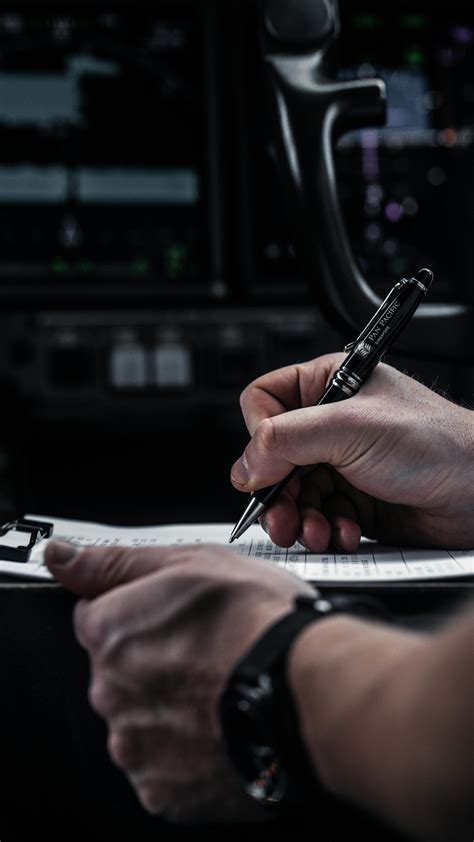
Meanwhile, the SCCM and flight crew complete operational reports and safety documentation. These records ensure accountability and help airlines monitor service quality and safety procedures.
Only after these tasks are complete does the crew leave the aircraft and pass through airport security and immigration at their destination.
Life Between Flights: Resting on Long-Haul Layovers
After a long-haul flight, cabin crew usually travel by shuttle bus to their hotel. Exhaustion often sets in immediately after arrival, especially following overnight routes.
Most crews sleep for several hours before exploring the destination, grabbing a meal, or simply relaxing. Layovers typically last 24 to 48 hours, giving crew members time to recover before operating the return flight.
Jet lag remains one of the biggest challenges in the profession. Some crew members maintain their home time zone schedule, while others adjust to the local time to recover more quickly.
Even so, these layovers offer a unique benefit of the job: the chance to briefly experience cities around the world between flights.
The Reality Behind Long-Haul Cabin Crew Work
A 12-hour flight may feel routine for frequent travelers, but behind the scenes it represents a complex operation that requires precision, endurance, and teamwork.
From the early pre-flight briefing to the final post-flight inspection, cabin crew remain responsible for the safety and comfort of hundreds of passengers in a confined environment thousands of feet above the Earth.
While travelers sleep, watch movies, or gaze out at the night sky, flight attendants continue working quietly in the background—monitoring the cabin, assisting passengers, and preparing for every possible scenario.
The next time a passenger steps onto a long-haul aircraft, the greeting at the door represents far more than hospitality. It marks the beginning of a carefully orchestrated operation designed to ensure that everyone arrives safely on the other side of the world.