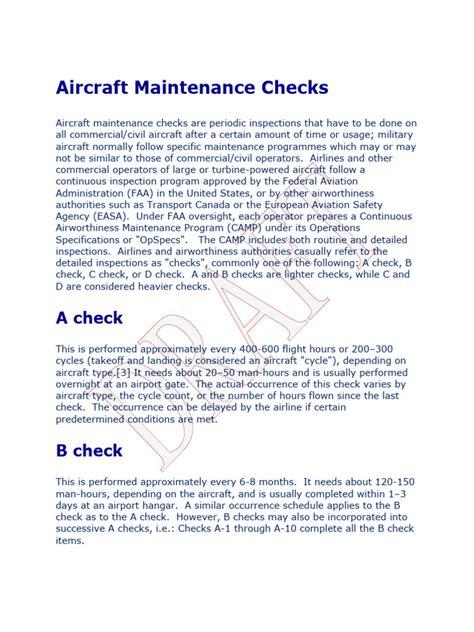
Commercial aviation runs on precision. Long before passengers settle into their seats or the cabin door closes, a race against time is already underway outside the aircraft. In a turnaround window of roughly two hours—or sometimes less—maintenance crews, engineers, dispatchers, and flight crews work through a tightly controlled sequence designed to keep the airplane safe, legal, and ready to fly.
To travelers, an aircraft parked at the gate can look inactive. In reality, it becomes one of the busiest work zones in transportation. Every tire tread, warning message, fluid level, panel latch, and reported defect may need attention before departure. These short maintenance checks are not cosmetic routines. They are a frontline defense against delays, technical failures, and safety risks.
Modern airlines depend on these rapid inspections because aircraft endure constant stress. Pressurization cycles expand and contract fuselages. Brakes absorb intense heat during landing. Tires meet thousands of kilograms of weight at speed. Engines face vibration, heat, and changing weather. Without disciplined checks between flights, small wear items could become expensive or dangerous problems.
The remarkable part is how much gets completed in only two hours.
The First Minutes: Reviewing the Aircraft’s Technical Status
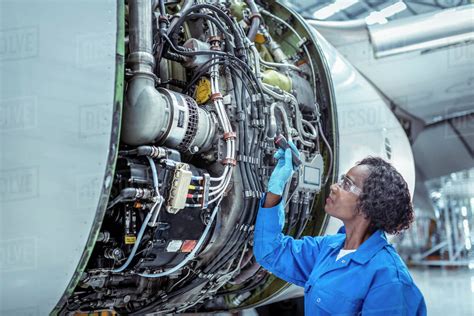
As soon as the aircraft arrives, maintenance personnel begin by reviewing the technical logbook or electronic maintenance records. This document contains pilot reports from the previous flight, known in the industry as write-ups. These may include anything from a flickering cabin light to a sensor caution message or a galley equipment fault.
Not every issue grounds an aircraft, but every issue must be assessed. Engineers determine whether the problem requires immediate repair, further troubleshooting, or deferral under approved procedures such as the Minimum Equipment List (MEL). That list specifies which systems may be temporarily inoperative while still allowing safe dispatch under restrictions.
This paperwork phase is as important as turning tools. A missed note or misunderstood fault can waste time or create operational risk. That is why airlines treat documentation with almost surgical seriousness.
Walk-Around Inspection: Eyes on the Aircraft
While records are checked, a physical exterior inspection often begins. A licensed technician or flight crew member walks around the aircraft looking for visible abnormalities.
They examine:
- Tire condition, cuts, wear, and inflation appearance
- Brake assemblies for heat damage or leaks
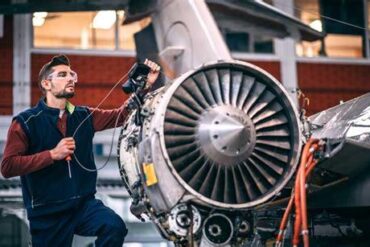
- Engine inlets for bird strikes or debris
- Landing gear doors and struts
- Hydraulic stains or fluid drips
- Fuselage dents or impact marks
- Loose fasteners, panels, or access doors
- Wing surfaces, lights, probes, and antennas
Experienced inspectors know what “normal” looks like. A slight fluid stain may be harmless residue—or the first sign of a leak. A dent may be acceptable within limits—or require structural review. Training and judgment matter enormously in these moments.
Tires, Brakes, and Landing Gear: High-Stress Components
Landing gear absorbs some of the harshest punishment on any airplane. Every landing transfers massive loads through wheels, brakes, axles, and shock struts. Because of that, these components receive constant attention during short checks.
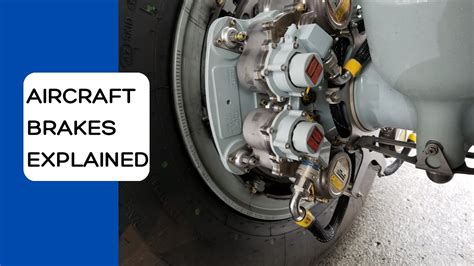
Technicians measure brake wear indicators, inspect for overheating signs, and ensure hydraulic lines remain secure. Tire tread depth and sidewall condition are checked closely. Even a small cut can grow rapidly under operating stress.
If replacement is needed, airlines often perform it on the ramp with specialized equipment. A wheel change may look dramatic to passengers peering through terminal glass, but for trained teams it can be a standard and efficient procedure.
Fluids and Servicing: The Aircraft’s Lifeblood
Aircraft rely on multiple fluid systems to operate safely. During a two-hour check, crews may inspect or replenish engine oil, hydraulic reservoirs, potable water systems, lavatory servicing, and sometimes oxygen levels depending on aircraft type and requirements.
Hydraulic systems power critical functions such as brakes, steering, flaps, spoilers, and landing gear extension. Low levels or contamination demand immediate attention. Engine oil trends are also monitored carefully; unusual consumption can signal deeper issues.
Servicing tasks may seem routine, but aviation has learned a timeless lesson: routine work prevents extraordinary failures.
Troubleshooting Pilot Reports
If the inbound crew reported a fault, maintenance teams begin troubleshooting immediately. This can involve connecting diagnostic systems, accessing avionics computers, running built-in tests, or physically inspecting a suspect component.
A cockpit message about a sensor might stem from:
- A failed sensor unit
- Damaged wiring
- Moisture intrusion
- Software logic fault
- Temporary transient error
The challenge is speed without shortcuts. Airlines want on-time departures, but no reputable operator trades safety for schedule. If the cause cannot be confidently resolved, the aircraft may be delayed, swapped, or repaired before release.
Cabin and Safety Equipment Checks
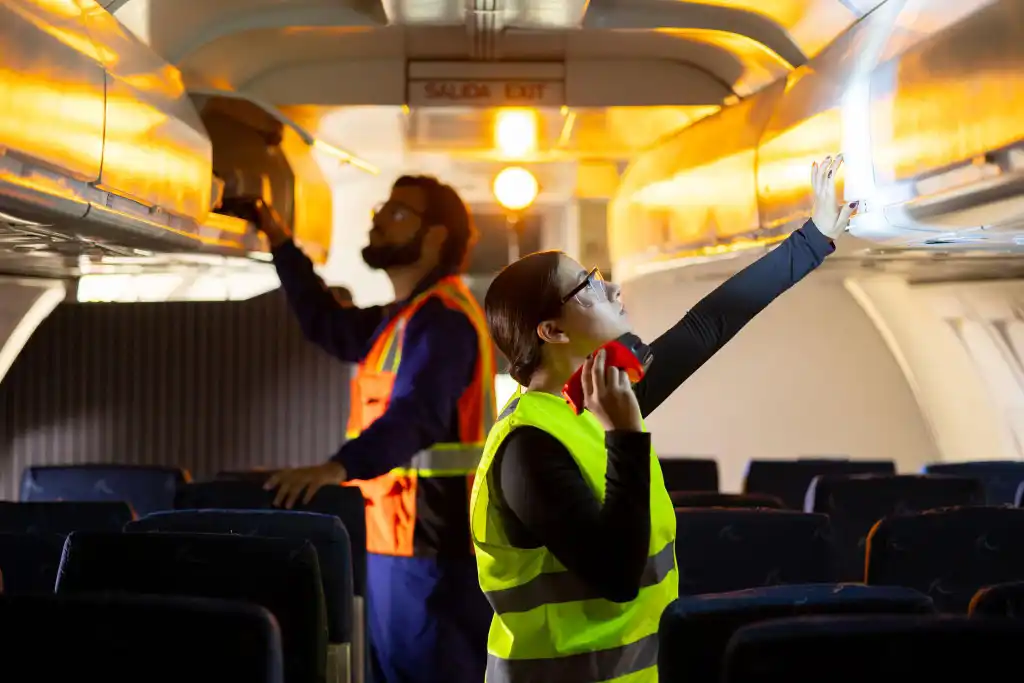
Passengers often notice cabin cleaning crews, but behind them another layer of readiness is checked. Emergency equipment inside the aircraft must remain serviceable and correctly located.
This can include:
- Fire extinguishers
- Oxygen bottles
- Life vests
- Emergency lighting
- Escape slide indicators
- Smoke detectors
- Seat belt functionality
- Exit signage
Cabin defects are not always minor inconveniences. A jammed seat near an emergency exit or missing safety equipment can become a dispatch issue. Airlines therefore combine customer service and safety priorities during the turnaround.
How Aircraft Can Still Legally Depart with Some Faults
One of aviation’s least understood realities is that an aircraft does not need every installed component functioning perfectly to fly legally. Thanks to system redundancy and regulatory control, certain non-critical defects may be deferred under the MEL.
For example, one reading light, a galley oven, or a non-essential display may be allowed inoperative for a limited time. However, the deferral includes conditions, repair deadlines, and documentation.
Some items trigger restrictions. A failed component might require lower altitude, longer runway calculations, fuel penalties, or weather limitations. In other words, a deferred item is never ignored—it is managed within a strict safety framework.
That framework is why commercial aviation remains one of the safest forms of travel.
Coordination With Pilots and Dispatch
As maintenance progresses, communication with the flight deck becomes constant. Pilots need to know what was reported, what was fixed, and whether any deferred items affect performance or route planning.
If weather is poor, de-icing may be required. If a system limitation applies, dispatch may need new fuel numbers or alternate airport planning. If a delay grows, crew duty time can become a factor.
A two-hour maintenance window therefore is not just wrench work. It is a synchronized operation involving engineering, flight operations, ground handling, and scheduling.
Final Sign-Off: Returning the Aircraft to Service
Once inspections and required repairs are complete, licensed personnel issue a maintenance release or equivalent sign-off according to local regulations and airline procedures. That signature carries weight. It confirms the aircraft meets airworthiness requirements for departure.
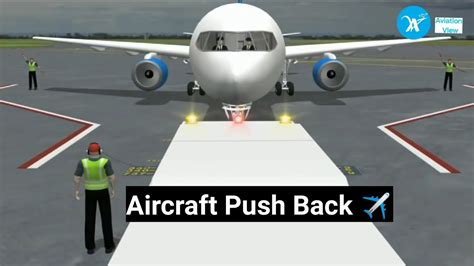
Only then does the process shift fully to boarding, pushback, and taxi.
To passengers, the aircraft simply leaves on time. To professionals behind the scenes, that departure represents dozens of successful decisions made under pressure.
Why These Two Hours Matter So Much
Aviation history shows that accidents are rarely caused by one dramatic event alone. More often, they grow from unnoticed wear, incomplete inspections, poor communication, or repeated tolerance of small defects.
That is exactly why the industry invests so heavily in short maintenance checks. They catch leaking seals before hydraulic failures. They replace tires before blowouts. They investigate warnings before they multiply into larger system faults.
The public usually notices maintenance only when a delay occurs. Yet delays caused by inspections are often signs the system is working correctly. An extra 45 minutes at the gate may be frustrating, but it is far preferable to discovering a problem in the air.
The Invisible Workforce Behind Every Departure
Every safe takeoff depends on people most passengers never meet: licensed aircraft engineers, mechanics, avionics specialists, planners, stores staff, cleaners, fuelers, dispatchers, and flight crews. Their work happens in rain, heat, noise, darkness, and relentless schedules.
In just two hours, they can inspect a multi-million-dollar machine, diagnose faults, replace parts, verify safety systems, complete documentation, and prepare it to cross oceans or continents again.
That efficiency is not luck. It is the result of training, discipline, procedure, and accountability.
So the next time your flight departs smoothly and on time, remember this quiet truth: the journey likely began with a maintenance check few people saw, but everyone on board depended on.