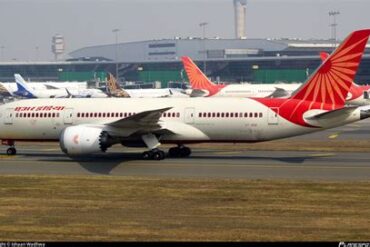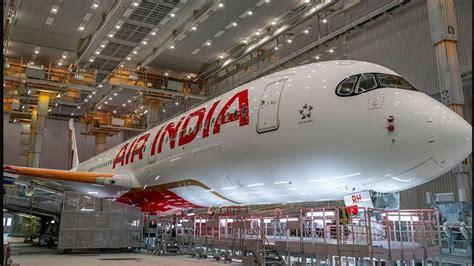
Air India, one of the most prominent carriers in Asia and the flag bearer of Indian aviation, is once again under intense scrutiny following damning revelations by the Directorate General of Civil Aviation (DGCA). The regulator uncovered that the airline operated three Airbus narrowbody aircraft in regular passenger service despite overdue mandatory safety inspections, a violation that strikes at the heart of aviation safety norms and has escalated broader concerns about operational integrity and oversight within the airline.
This revelation comes at a precarious moment for the airline. Just days ago, the nation was shaken by the Air India Flight 171 crash in Ahmedabad, a tragedy that—although involving a Boeing 787 and separate operational issues—has heightened public and regulatory focus on Air India’s overall safety culture. The DGCA’s latest findings add significant weight to the growing perception that the airline may be suffering from systemic safety management failures.
Regulatory Findings: Repeated Noncompliance with Mandatory Safety Protocols
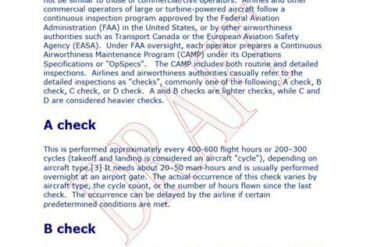
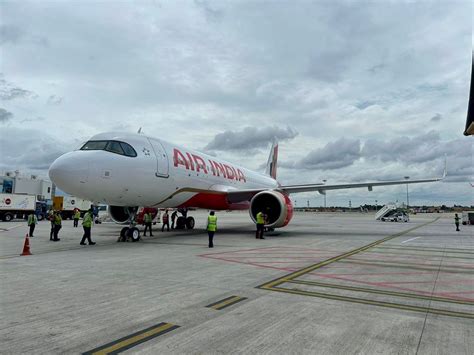
The DGCA conducted spot checks in May 2025 on three Air India aircraft and uncovered a series of egregious breaches of safety protocol. All three aircraft were actively operating flights, both domestic and international, despite having missed mandatory inspections on critical emergency equipment such as oxygen systems and escape slides—both vital in the event of in-flight emergencies.
In one case, an Airbus A320 had delayed safety checks for over a month, during which it completed several passenger services to major international hubs including Dubai, Riyadh, and Jeddah. Another case involved an Airbus A319, which operates high-frequency routes within India, and was found to have overdue checks exceeding three months. The third incident was relatively minor in delay—nearly a week—but nonetheless violated strict DGCA mandates on airworthiness.
The DGCA’s official report stated:
“These cases indicate that aircraft were operated for passenger service with expired or unverified emergency equipment, which is a violation of standard airworthiness and safety requirements. Furthermore, Air India failed to submit timely compliance responses, further evidencing weak procedural control and oversight.”
The language used by the DGCA is significant. Under Indian aviation law, any aircraft with lapsed safety inspections is considered to have its certificate of airworthiness suspended. Operating such aircraft is tantamount to flying without a legal license, putting passengers, crew, and the airline’s future at risk.
Air India’s Narrowbody Fleet: A Snapshot of Growing Complexity
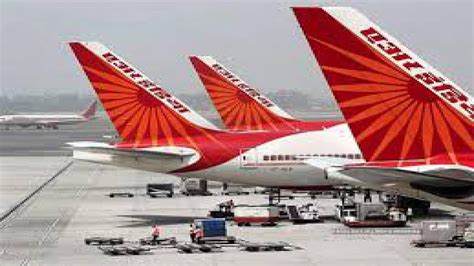
The affected aircraft are part of Air India’s expanding narrowbody fleet, composed entirely of Airbus jets. The fleet includes a mix of aging aircraft and newer models, reflecting a transitional phase as the airline phases out older types like the A319 and A320ceo in favor of more modern, fuel-efficient variants such as the A320neo and A321neo.
As of June 2025, the composition of Air India’s narrowbody fleet is as follows:
- A319-100: 6 aircraft, average age: 16.8 years
- A320-200: 29 aircraft, average age: 15.4 years
- A320neo: 108 aircraft, average age: 4.8 years
- A321-200: 13 aircraft, average age: 16.2 years
- A321neo: 14 aircraft, average age: 3.2 years
In total, Air India and its low-cost subsidiary Air India Express operate 170 narrowbody Airbus aircraft. The breadth and age variance of this fleet present significant challenges in terms of maintenance logistics, safety oversight, and regulatory compliance.
Notably, Air India has one of the largest Airbus order backlogs in the world, with 344 aircraft on order, including 90 A320neos and 210 A321neos. This massive acquisition plan is part of a larger restructuring strategy aimed at modernizing the fleet and improving efficiency—but the current safety oversights raise questions about whether operational discipline is keeping pace with fleet expansion.
A Pattern of Oversight Failures and Regulatory Friction
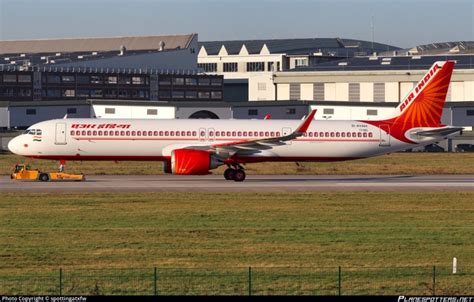
This is not the first time Air India has come under the microscope for lapses in flight safety compliance. According to data presented by India’s aviation minister earlier this year, the DGCA issued 23 safety-related warnings or fines to Indian airlines in 2024. Shockingly, 12 of those were directed at Air India.
These violations included:
- Overdue safety inspections on critical equipment.
- Exceeding crew flight duty limitations.
- Insufficient onboard oxygen levels.
- An alarming case of unauthorized cockpit entry.
Despite repeated fines and regulatory warnings, Air India’s responsiveness remains sluggish. In several documented cases, the airline failed to submit follow-up corrective action plans in a timely manner or failed to submit them at all. This persistent failure to comply has led the DGCA to make an unusually strong statement in its latest report:
“The airline’s quality and planning departments have shown inadequate internal oversight, indicating a systemic control failure.”
This isn’t just administrative negligence—it’s an indictment of Air India’s safety culture, a foundational element in any reputable airline’s operational ethos.
Leadership Response and Public Trust
In the wake of the recent crash and subsequent DGCA findings, Air India Chairman N. Chandrasekaran has publicly addressed employees, calling the accident a “catalyst to build a safer airline.” While the crash is still under investigation and unrelated to the Airbus fleet’s overdue safety checks, it has exacerbated public anxiety and forced the airline to take a more defensive posture.
Chandrasekaran emphasized the importance of resilience among staff, urging them to “stay resolute amid criticism”. However, analysts argue that mere words are not enough. In an industry where trust and safety are non-negotiable, public confidence is built on transparency, proactive communication, and demonstrable improvements—not internal memos or platitudes.
The incident has also triggered questions about the competency of Air India’s flight safety leadership, especially given that the airline’s flight safety chief was suspended in 2023 for similar lapses. Observers have noted that leadership churn and procedural stagnation may be at the core of the airline’s persistent compliance failures.

Systemic Risks Amid Rapid Expansion
Air India’s situation is made even more precarious by its rapid expansion and transformation efforts under the Tata Group. With multi-billion dollar orders from Airbus and Boeing, a complete rebranding effort, and international network growth on the horizon, the airline is in the midst of one of the most ambitious overhauls in global aviation.
Yet, ambition without operational rigor can become a liability. Experts warn that the very speed and scale of transformation may be undermining safety fundamentals. In particular, the rush to integrate new aircraft, routes, and crew schedules without commensurate scaling of compliance infrastructure may be contributing to these regulatory breaches.
This case is not just a reflection of procedural failings—it is an alarm bell signaling deeper organizational dysfunction. Unless Air India prioritizes a culture of accountability, safety transparency, and responsive compliance, its global aspirations may be grounded by domestic failures.
The DGCA’s Next Moves: A Turning Point for Indian Aviation?
The DGCA has the authority to impose significant penalties on airlines, ranging from hefty fines to operational restrictions. In the past, it has even grounded entire fleets over safety issues. Given Air India’s stature, the regulatory body must tread a fine line between enforcement and stability, but industry watchers believe that decisive action is now inevitable.
A sustained lack of enforcement will only embolden similar behaviors across the industry, potentially setting a dangerous precedent. As India positions itself as a global aviation hub, the standards applied to its flagship carrier will serve as a benchmark for the entire sector.

Conclusion: A Crisis of Confidence Demands Immediate Reform
The latest revelations surrounding Air India’s operation of Airbus aircraft with overdue safety inspections represent more than isolated incidents—they are part of an unfolding narrative that paints a troubling picture of systemic failure. With passenger safety at stake, public trust wavering, and regulatory patience wearing thin, Air India now faces a pivotal moment.
Whether the airline treats this as a wake-up call or a passing controversy will define not just its future, but also India’s credibility in global aviation. Safety, after all, is not a feature—it is the very foundation of flight.