The modern aviation industry depends on precision, resilience, and human connection—and nowhere is that more visible than in the cabin. Long-haul flight attendants, often crossing continents overnight, are the frontline ambassadors of global airlines. In 2026, their compensation reflects a complex blend of hourly pay, experience-based progression, and strategic scheduling choices that can dramatically influence annual income.
While the role is sometimes misunderstood as purely service-oriented, the reality is far more demanding. Safety training, emergency preparedness, and the ability to manage hundreds of passengers at 35,000 feet place flight attendants in a unique professional category. Yet despite these responsibilities, their salaries remain a nuanced subject—one shaped by seniority, union negotiations, and the global dynamics of aviation labor.
Understanding how long-haul flight attendants earn their income requires diving into the layered structure of airline compensation. It’s not just about hourly wages—it’s about time, positioning, and knowing how to leverage the system.
How Flight Attendant Pay Actually Works in 2026
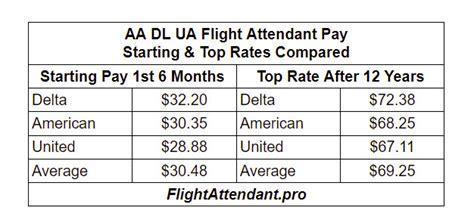
At the heart of every flight attendant’s salary lies the base hourly rate. This figure determines the majority of earnings and increases steadily with years of service. In 2026, entry-level hourly pay at major airlines typically ranges from $25 to $40, gradually climbing to more than $80 per hour after a decade or more.
However, there’s a crucial nuance: flight attendants are generally paid only when the aircraft door is closed and the plane is in motion. Boarding time, delays at the gate, and pre-flight duties may either be compensated at a reduced rate or not at all, depending on the airline’s policies or union agreements.
This structure creates a fascinating paradox. A long-haul flight attendant working fewer flights can sometimes earn more than a colleague flying multiple short routes. The reason is simple: long-haul flights maximize paid hours in the air while minimizing unpaid ground time.
Beyond base pay, per diem allowances add another layer. These payments, typically between $2 and $3 per hour, cover expenses during trips away from base. While modest at first glance, they accumulate significantly over extended international rotations—and since they are often non-taxable for overnight trips, they quietly boost take-home income.
The True Value of Long-Haul Routes
Long-haul flying is the golden ticket within the flight attendant profession. Not because it’s easier—far from it—but because it is far more efficient in terms of earnings.
A single transpacific or transatlantic journey can generate a substantial number of paid hours in one duty period. Compare that to short-haul flying, where multiple segments in a day may involve long boarding processes, quick turnarounds, and comparatively fewer paid flight hours.
This efficiency translates directly into income. Experienced flight attendants who consistently secure long-haul assignments can exceed $100,000 annually, especially when combining base pay, per diem, and premium pay opportunities.

Another overlooked advantage is scheduling. Long-haul trips often involve fewer working days per month. A senior flight attendant might complete their required hours in significantly fewer trips, leaving more days off without sacrificing income. This balance between work and personal time is one of the profession’s most coveted rewards.
Seniority: The Invisible Force Behind Every Paycheck
If there is one concept that defines a flight attendant’s career trajectory, it is seniority. Everything—from pay rate to schedule flexibility—is tied to how long someone has been with an airline.
In the early years, new hires often find themselves on reserve schedules. This means being on standby, ready to fly at short notice, with limited control over destinations or working hours. While reserve comes with a guaranteed minimum pay (usually around 70–76 hours per month), it rarely offers access to lucrative long-haul routes.
As seniority builds, opportunities expand. Flight attendants gain the ability to bid for preferred routes, choose their schedules, and prioritize long-haul flying. This transition marks a turning point where income potential rises sharply—not necessarily because of higher hourly rates alone, but because of better trip selection.
The system rewards patience and longevity. Those who remain in the profession long enough to climb the seniority ladder often enjoy a level of financial stability and lifestyle flexibility that is difficult to replicate in other service-based roles.
Breaking Down Earnings at Major Airlines
In 2026, major carriers—particularly in the United States—offer relatively standardized pay structures. Entry-level flight attendants typically earn under $40,000 annually, reflecting both lower hourly rates and less efficient schedules.
Mid-career professionals, with several years of experience, see steady increases as their hourly pay rises and their ability to secure better trips improves. By the time a flight attendant reaches top pay scale—usually after 12 to 13 years—earnings can comfortably exceed $80 per hour.
At this level, the combination of base pay, per diem, and premium flying opportunities becomes powerful. Premium trips—often paid at 150% of the standard rate—allow experienced crew members to significantly boost their income.
Additionally, specialized roles such as purser or lead flight attendant provide further financial incentives. These positions come with added responsibilities, including overseeing the cabin crew and coordinating service delivery, but they also offer higher pay rates and increased prestige within the airline.
Per Diem, Premium Pay, and Hidden Income Boosters
While base salary attracts the most attention, the real earnings potential often lies in the details. Per diem payments, for example, can add thousands of dollars annually, especially for those frequently assigned to international routes.
Then there’s premium pay. Airlines regularly offer increased pay rates for certain flights—whether due to staffing shortages, high-demand routes, or operational needs. Savvy flight attendants strategically pick up these trips to maximize their earnings.
There are also less obvious income boosters. Some airlines provide bonuses for language skills, international certifications, or specialized safety roles. Others offer incentives for working holidays or covering last-minute assignments.
Together, these components create a dynamic income structure where two flight attendants with the same base pay can end up with vastly different annual earnings.
Union Influence and the Push for Better Compensation
The aviation industry remains one of the most unionized sectors globally, and flight attendants are at the center of this labor landscape. In 2026, union negotiations continue to play a critical role in shaping pay structures, working conditions, and benefits.
Recent years have seen significant activity, with contracts being renegotiated to address inflation, workload concerns, and compensation during boarding. These agreements often result in incremental pay increases, improved scheduling rules, and enhanced benefits.
The presence of unions creates a competitive environment among airlines. Even carriers without unionized cabin crews must offer comparable or better compensation to attract and retain talent. This dynamic has led to gradual but meaningful improvements in pay across the industry.
However, tensions remain. Airlines must balance labor costs with profitability, while flight attendants push for recognition of their expanding responsibilities. The result is an ongoing negotiation that continues to shape the profession’s financial outlook.
Comparing Flight Attendant Pay to Pilots
It’s impossible to discuss flight attendant salaries without acknowledging the stark contrast with pilot compensation. Both roles are essential to flight operations, and both are paid hourly, yet the gap in earnings is significant.
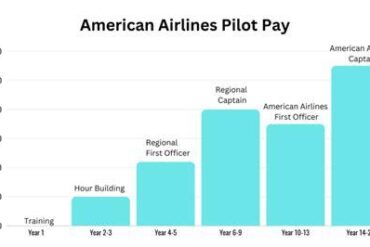
Pilots command much higher salaries due to the specialized training, certifications, and responsibility associated with operating an aircraft. Entry-level pilot pay at major airlines often exceeds $100 per hour, with experienced captains earning upwards of $450 per hour on widebody aircraft.
For flight attendants, the comparison highlights the unique positioning of their role. While they do not reach the same income levels, they benefit from lower barriers to entry, shorter training periods, and the ability to build a career without the substantial financial investment required for pilot certification.
Interestingly, both professions share similar scheduling systems, including seniority-based bidding and opportunities for premium pay. This parallel structure underscores the operational symmetry between cabin and flight crews, even as their compensation diverges.
The Global Perspective: Beyond the United States
While U.S. airlines often dominate discussions about flight attendant pay, the global picture adds further complexity. European, Middle Eastern, and Asian carriers each bring their own compensation models, influenced by regional labor laws, cost of living, and corporate strategy.
In some regions, flight attendants receive higher base salaries but lower per diem allowances. In others, benefits such as housing, transportation, and tax-free income significantly enhance overall compensation.
Long-haul flight attendants working for international carriers may also benefit from more consistent access to long-haul routes, given the network structures of their airlines. This contrasts with U.S.-based crew members, who often spend years flying domestic routes before transitioning to international assignments.
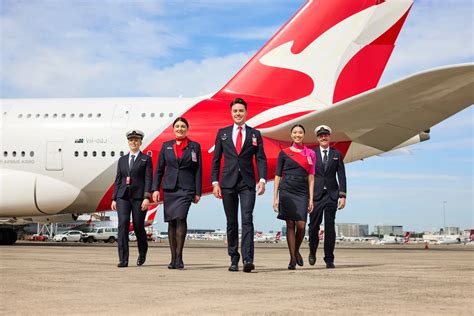
These differences create a diverse global landscape where the same job title can yield vastly different financial outcomes depending on the airline and location.
Career Longevity and Lifetime Earnings Potential
One of the most compelling aspects of a flight attendant career is its longevity. Unlike many professions, there is often no mandatory retirement age, allowing individuals to continue working—and earning—well into later stages of life.
This extended career span significantly impacts lifetime earnings. A flight attendant who reaches top pay scale and maintains access to long-haul routes can accumulate substantial income over decades.
Moreover, the lifestyle benefits—travel opportunities, flexible schedules, and global exposure—add intangible value that goes beyond salary figures. For many, these perks are just as important as the financial rewards.
Is the Career Worth It in 2026?
The answer depends on perspective. For those seeking immediate high earnings, the early years can be challenging. Low starting pay, unpredictable schedules, and the demands of reserve life require resilience and adaptability.
But for those willing to invest time and build seniority, the long-term outlook is far more attractive. The combination of rising hourly rates, access to long-haul routes, and opportunities for premium pay creates a pathway to a six-figure income.
There’s also something less tangible but equally important: the experience itself. Few careers offer the chance to wake up in different countries, connect with people from around the world, and operate in such a dynamic environment.
In 2026, long-haul flight attendant salaries tell a story of progression, strategy, and endurance. It’s not a profession defined by instant rewards—but for those who navigate its complexities, it can become both financially and personally enriching in ways that extend far beyond the paycheck.