Understanding the American Airlines Flight Attendant Salary Landscape in 2025
The salary structure for American Airlines flight attendants in 2025 presents a complex yet evolving picture of compensation in the U.S. aviation industry. With a recently ratified 33% pay raise spread over five years, this career path now offers improved earning potential, particularly for those with longevity in service. As a flagship member of the “Big Three” carriers, American Airlines now leads the domestic industry in hourly pay rates for flight attendants.
Base Salaries: From New Hires to Senior Professionals
The base salary of an American Airlines flight attendant is strongly tied to seniority and experience. The company uses a tiered system, compensating staff based on their tenure, with added enhancements from the new collective bargaining agreement passed in September 2024.
For first-year flight attendants, the starting hourly wage rose to $35.82, up from $30.35 under the previous agreement. This wage, when applied across the standard monthly minimums—71 hours for line holders and 75 hours for reserve staff—generates an annual base salary of approximately $30,500.
Yet this salary is still barely above the threshold for food stamps in some states, as noted in Fortune. The implications for entry-level workers highlight the wage compression present at the entry point of this career.
In contrast, senior flight attendants (13+ years of service) are now earning $82.24 per hour, with future increments expected to push the hourly rate above $92 by the end of the five-year contract. This corresponds to a base salary of over $70,000 annually, not including bonuses and boarding pay.
A Closer Look at the Five-Year Pay Raise Agreement
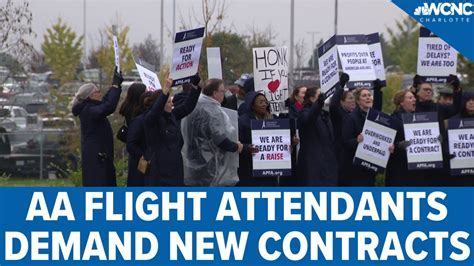
In September 2024, the Association of Professional Flight Attendants (APFA) secured a game-changing agreement for its members. The $4.2 billion compensation package, retroactive to 2020, includes multiple components:
-
Immediate raises: up to 20.5% for senior staff, 18–19% for mid-career crew.
-
Future increases: 2.75% in year one post-ratification, followed by 3%, 3%, and 3.5% in years two, three, and five respectively.
-
Boarding pay: Flight attendants will now receive 50% of their hourly rate from the moment passengers begin boarding—a long-sought victory set to begin in March 2025.
-
Retroactive pay: Lump-sum payments to account for compensation owed since 2020.
-
Profit-sharing alignment: Adjusted to match Delta’s formula, an improvement over the previous 1.1% seen in 2023.
These changes signal a broader shift in how American Airlines values its in-flight service workforce and sets a new benchmark for labor negotiations across the industry.
Hourly Pay Progression and Annual Salary Implications
The salary trajectory for flight attendants is heavily dependent on their hourly rate and the number of hours worked per month, which are not fixed but based on system schedules and route availability. Here’s a generalized projection for 2025:
-
New Hire: $35.82/hour × 71 hrs = ~$30,500 annually
-
Mid-Level (7–12 years): Estimated range of $50,000–$65,000, reflecting 18–19% raises
-
Senior (13+ years): $82.24/hour × 71 hrs = ~$70,000+, scaling toward six figures with max hours and bonuses
The anticipated rise to $92+/hour by 2029 could place top earners above $110,000 annually, especially when factoring in additional boarding pay and bonuses.
Supplemental Earnings and Non-Salary Compensation
The total compensation package for an American Airlines flight attendant in 2025 extends beyond base salary. Among the most impactful additions:
-
Boarding Pay: Implemented in 2025 at 50% of hourly rate, adding hundreds per month
-
Profit Sharing: Newly indexed to Delta’s industry-leading formula, raising annual payout potential
-
Per Diems and Allowances: Based on routes flown, international trips, and overnight stays
-
Holiday Pay: Higher hourly rates during peak travel days
-
Health Benefits and Retirement Matching: Included for full-time staff after probationary periods
These extras often determine whether a flight attendant’s annual earnings fall into the upper-$60K to six-figure range.

Comparative Industry Analysis
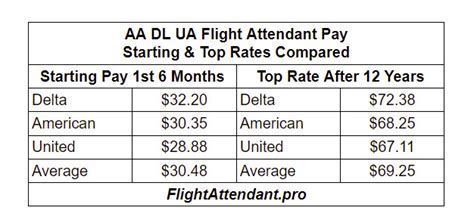
When evaluating compensation, American Airlines now leads in hourly pay among the top U.S. carriers. Compared to Delta Air Lines and United Airlines, American offers:
-
Higher starting pay post-2024 agreement
-
Better boarding pay terms
-
Improved long-term earning ceiling
While Southwest Airlines offers competitive hourly wages and a strong culture, their flight attendants do not currently benefit from the same level of boarding pay or retroactive compensation packages. The five-year American Airlines contract now stands as the most financially progressive agreement among U.S. legacy carriers.
Salary Averages Across Data Platforms
Salary aggregation websites reflect varying figures, often influenced by their data collection methods and the seniority makeup of their sources:
-
Glassdoor: $57,881 average, extending up to $118,838
-
Indeed: $35,798 average, potentially skewed by part-time or newer hires
-
ZipRecruiter: Median of $47,079, range from $35,500–$69,000
-
Aviation A2Z: Reports a range of $32,000–$80,000
These variations underscore the importance of understanding which roles and experience levels are being evaluated. The new agreement is expected to elevate all averages over the next 2–3 years.
Factors Affecting Total Compensation
Several critical variables shape a flight attendant’s real-world earnings:
-
Seniority: The number-one factor in determining hourly pay and schedule priority.
-
Monthly Hours Flown: Base salaries assume minimum guaranteed hours, but higher monthly bids can increase annual income.
-
Assigned Routes: International or transcontinental routes often yield more per diem pay.
-
Work Status: Reserve flight attendants may have less predictable hours, though guaranteed minimums still apply.
-
Union Representation and Agreements: Contracts negotiated by APFA significantly impact income, working conditions, and future raises.
Conclusion: What Does It All Mean for Prospective Flight Attendants?
The American Airlines flight attendant salary structure in 2025 demonstrates a significant shift toward more competitive and equitable compensation, especially following the historic 2024 labor agreement. While entry-level pay still presents financial challenges, the long-term earning potential is among the best in the industry. For those committed to building a career in aviation, especially with one of the nation’s largest carriers, the path offers a clear progression, substantial bonuses, and union-backed protections.
Aspiring flight attendants must weigh the initial pay sacrifices against the future earning ceiling, knowing that tenure, performance, and contract terms will all play a pivotal role in shaping income. As industry standards evolve, American Airlines has taken the lead in setting a new bar for cabin crew compensation.
FAQs
How much does a new American Airlines flight attendant make in 2025?
A newly hired flight attendant at American Airlines in 2025 earns approximately $35.82 per hour, translating to a base salary of around $30,500 annually, assuming minimum monthly flight hours.
What is the highest salary a flight attendant can earn at American Airlines?
Senior flight attendants with over 13 years of service can earn over $82 per hour, with projections to exceed $92/hour by 2029, leading to six-figure earnings when bonuses and boarding pay are included.
Is American Airlines the best-paying airline for flight attendants?
As of 2025, yes—American Airlines now leads in hourly compensation, boarding pay, and long-term wage progression, surpassing Delta and United in key categories, according to industry reports.