When an aircraft is cruising at 30,000 feet, the environment is stable, serene, and seemingly untouchable by earthly troubles. Yet, emergencies can arise in an instant, and the cabin crew must spring into action with speed, precision, and calm. Del Willden, a veteran British Airways flight attendant with 26 years of experience, has offered a rare behind-the-scenes look at exactly what happens in those critical moments — and the first step flight attendants take during a mid-air crisis may surprise many.
The truth is, serious medical emergencies on planes are rare, but they do happen. According to Willden, he encountered just two during his career. However, the training and procedures for such events are detailed, intense, and mandatory. Flight attendants don’t wait for chaos to guide them — they are trained to follow a set of precise protocols from the moment an incident is identified.
The First Action in a Medical Emergency at 30,000 Feet
If a passenger suffers a medical crisis while airborne, the immediate response from the crew is not what one might expect. It isn’t rushing for medical equipment or calling the cockpit. According to Willden, the very first thing flight attendants do is ask the cabin whether any medical professionals are on board.
This callout is typically phrased as: “Is there a doctor, nurse, or paramedic on board willing to assist?” This isn’t just a formality — airline policy allows these professionals to take over patient care if they come forward. Remarkably, veterinarians are also considered viable responders under dire circumstances.
“We were always told that if a medical professional didn’t come forward, but a vet came forward and was prepared to help, we were allowed to accept that,” Willden told Metro. “We had to get them to sign a form of indemnity before they started to help, and it would usually only be if a situation was so serious it warranted help urgently.”
Taking Charge When No Professional Steps Forward
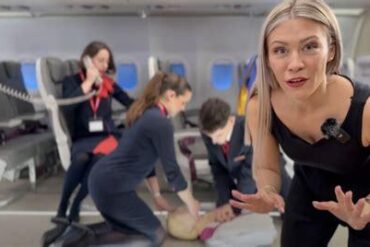
When no external help is available, the cabin crew must rely on their extensive medical training. For situations such as cardiac arrest, the team jumps into action: CPR is initiated immediately, another crew member retrieves the AED (Automated External Defibrillator) and oxygen tanks, while someone else updates the captain and possibly coordinates with MedLink, a ground-based medical advisory service that supports in-flight incidents.
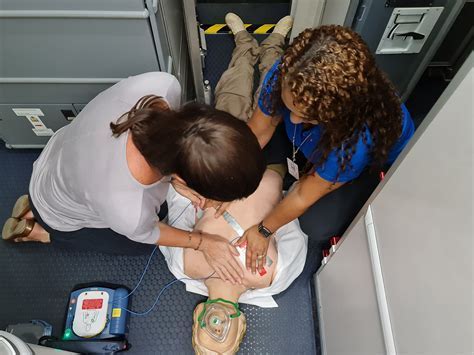
Flight attendants are trained to administer life-saving procedures far beyond CPR. Willden disclosed that their training also includes handling childbirth, managing urinary retention using catheters, and identifying symptoms of deep vein thrombosis or stroke. Each aircraft carries an advanced medical kit known as the M5, with sections reserved specifically for professional use. Even without a doctor on board, the crew can be guided via radio through emergency treatment steps.
Structured Emergency Response: The “NITS” Briefing
Not all emergencies are medical. When mechanical or technical malfunctions occur — such as hydraulic failure, engine issues, or cabin depressurization — the cockpit issues an “alert call.” This triggers a clearly orchestrated sequence:
The senior cabin crew member immediately reports to the flight deck, where the captain delivers the NITS briefing — an acronym standing for:
- Nature of the problem
- Intentions of the crew
- Time available until impact or landing
- Special instructions for cabin preparation
Once briefed, the purser communicates the necessary procedures to the rest of the cabin crew. This may include bracing passengers for impact, securing the galley, relocating passengers from dangerous seats, and ensuring the cabin is ready for an emergency landing.
When Catastrophe Strikes: Trusting Instinct and Training
In the event of a catastrophic emergency, such as an imminent crash or uncontrolled descent, the focus instantly shifts from prevention to survival and evacuation. Willden noted that in such cases, there is no time for discussion or planning. The crew’s instincts, honed through rigorous simulation training, take over.
The number one priority is to assess exterior conditions before opening any aircraft doors. Fire, smoke, debris, or water outside a door can present deadlier risks than the conditions inside. The mantra drilled into every crew member is: “Feel the door, look out the window, decide before you act.”
Once it’s safe to evacuate, the next goal is speed. Passengers must be out in 90 seconds or less, using slides and exits that are deemed safe. Crew members direct, shout, and sometimes physically assist passengers through exits, relying on crowd control techniques also taught during their intensive training.
The Hidden World of Cabin Crew Emergency Preparation
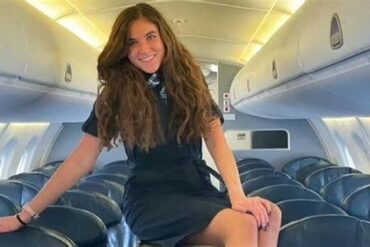
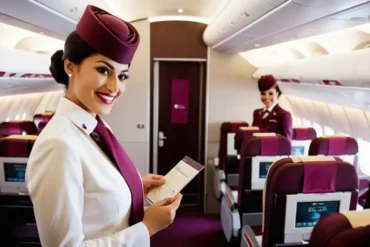
While the passenger sees a friendly face offering snacks and drinks, flight attendants are actually emergency professionals in disguise. Their training is not cosmetic. They are taught to handle fire outbreaks, explosive decompressions, terrorist threats, unruly passengers, and yes — even death on board.
Every year, crew members undergo mandatory refresher training, which includes:
- Mock evacuations
- Firefighting drills
- First aid and CPR certification
- Hypoxia recognition
- Aircraft-specific procedures for all types in their fleet
This is why, even when panic erupts among passengers, cabin crew members appear composed. They are drilled to suppress panic and deliver clear, firm commands. Their calmness is not an act — it is protocol and muscle memory.
The Role of MedLink and Real-Time Expert Guidance
In cases where no onboard expertise exists, flight attendants don’t have to face emergencies alone. Airlines like British Airways rely on services such as MedLink, a real-time communication channel with emergency medical professionals on the ground.
This Arizona-based service, run by MedAire, connects flight crews to ER doctors who can walk them through complex procedures, offer diagnostic help, and suggest when diversion is absolutely necessary. The cockpit crew, medical support team, and cabin crew work in tandem during these high-stakes situations.
Why Passenger Cooperation is Critical in Emergencies
Flight crews are only as effective as their ability to manage the cabin — and that includes the passengers. During emergencies, crew members rely heavily on clear space, immediate compliance, and silence to coordinate responses.
This is why announcements like “Heads down, stay down!” or “Remain seated!” aren’t optional suggestions. They’re survival commands. Any interference, questioning, or delay can cost precious seconds, jeopardizing the entire cabin.
Willden also emphasized that passengers should never attempt to open exits, unless explicitly instructed. An uninformed action could expose the cabin to fire, smoke, or rapid decompression.
Conclusion: Behind the Calm Lies Critical Training and Urgency
Flight attendants are not merely hospitality professionals — they are first responders at 30,000 feet. From assessing the cabin for medical experts to deploying lifesaving equipment, briefing for emergency landings, and managing full-scale evacuations, their responsibilities are vast, urgent, and pivotal.
The next time you board an aircraft, take a moment to recognize the hidden expertise of the crew greeting you with a smile. They are the first line of defense in airborne emergencies, trained to protect hundreds of lives when seconds matter most.