Flight attendants are the backbone of the airline industry, seamlessly blending safety, service, and adaptability across time zones and continents. While their polished appearance and warm greetings often mask the intricacies of their roles, a deeper look reveals that the flight attendant schedule is one of the most demanding and dynamic among modern professions. From last-minute call-ins to transoceanic layovers, understanding their routines sheds light on a career that is far from ordinary.
The Reality Behind the Role
A flight attendant’s day does not begin with clocking in at 9 a.m. nor ends at 5 p.m. Unlike conventional careers, this role revolves around an intricate blend of FAA regulations, airline policies, seniority systems, and operational unpredictability. Their responsibilities go well beyond in-flight announcements and beverage service.
Flight attendants handle critical emergency protocols, enforce aviation safety regulations, and provide first aid when necessary. They inspect the aircraft before passengers board, ensure all equipment functions properly, and act as the primary point of contact between passengers and the flight deck.
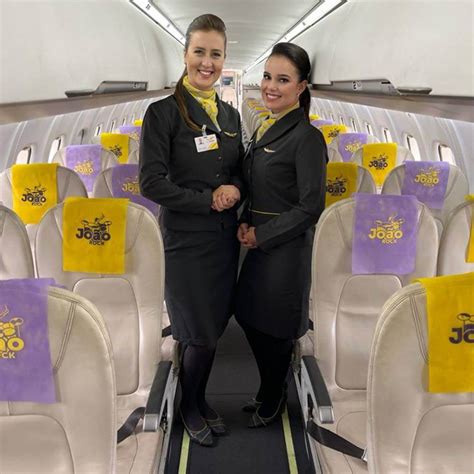
The scope of a flight attendant’s responsibility also expands based on title and experience:
-
Pursers manage the overall cabin and supervise other flight attendants.
-
Lead flight attendants coordinate tasks during flights and act as the communication bridge with the cockpit.
-
In-flight service managers and senior attendants handle high-value passengers and complex customer service issues.
These layered roles demand a schedule framework that is just as adaptable as it is regulated.
How Flight Attendant Schedules Work
There is no uniform schedule for flight attendants across airlines. Schedules depend on seniority, flight routes, base location, and airline-specific crew scheduling software. Most attendants work 12 to 14 days per month, accumulating between 65–85 flight hours — though this doesn’t include ground duties or layovers, which can add dozens of additional hours per month.
Reserve vs. Line Holder Schedules
Seniority plays a major role in determining whether a flight attendant works on reserve or as a line holder:
-
Reserve attendants are on-call, often with minimal notice. They must be available 24/7 to cover flights due to absences or delays. This stage can last months or even years depending on the airline and base.
-
Line holders are more senior and receive pre-assigned schedules. They can bid for preferred trips and swap or drop shifts more freely.

Line holders have a better quality of life, but even they are at the mercy of last-minute changes due to weather events, air traffic congestion, or aircraft mechanical issues.
Types of Trip Structures
Flight attendant trips typically fall into three categories:
Turns: Also known as “out-and-backs,” these involve flying to a destination and returning the same day. There are no overnight stays. Turns are popular for those with commitments at home.
2-Day Trips: These involve flying to a city, staying overnight, and returning the next day. Flight attendants may either return to base or continue to another city, depending on routing.
Long-Haul Trips: These include international or transcontinental flights requiring multiple days away from base. Attendants get longer layovers, often in destinations like Tokyo, Paris, or Johannesburg. The glamour is balanced by significant time zone fatigue and sleep disruptions.

FAA Scheduling Regulations
Due to the physical and psychological toll of irregular shifts, the Federal Aviation Administration (FAA) enforces strict rest and duty time regulations for all U.S.-based flight attendants.
Key rest requirements include:
-
9 consecutive hours of rest after duty periods exceeding 14 hours
-
12 consecutive hours of rest if duty extends beyond 18 hours
-
Shorter 8-hour rests are only permitted if followed by a 10-hour break within 24 hours
The FAA also mandates a minimum number of flight attendants based on passenger capacity, ensuring that rotations for in-flight rest can occur without compromising safety.
These rules are intended to combat the high prevalence of fatigue-related incidents in aviation. Studies show that 71% of flight attendants report that fatigue affects their performance, particularly during emergencies or prolonged duty hours.
Wellness and Health Impacts
Maintaining health while living on such an inconsistent schedule is a significant challenge. Flight attendants often suffer from circadian rhythm disruption, jetlag, and chronic fatigue. Time zone shifts can affect sleep, digestion, and even mood.
Airlines are responding by investing in health-focused programs:

-
Access to wellness apps and fatigue management training
-
Structured rest periods during long haul flights
-
Use of AI-powered scheduling tools that predict fatigue
-
Counseling support and nutritional guidance for crew members
Technology and Schedule Management
Modern scheduling systems like Connecteam offer airlines tools to streamline these complex rostering challenges. These platforms provide:
-
Real-time shift swapping and instant schedule notifications
-
Mobile access for crew members
-
Compliance checks against FAA rest mandates
-
Automated tracking of flight hours and rest breaks
Such platforms reduce administrative overhead while boosting employee satisfaction by allowing attendants greater flexibility over their work-life balance.
The Human Cost of Irregular Scheduling
The irregularity of flight attendant scheduling isn’t just a professional challenge — it affects family life, relationships, and mental health. Unlike standard roles, flight attendants can’t commit to weekly events, long-term childcare arrangements, or consistent sleep patterns.
For many, the romance of travel and sense of community within the aviation world offsets these costs. But for others, the lack of control over one’s schedule — especially in the early years — is a major downside.
The job requires adaptability, emotional resilience, and a deep understanding that stability is sacrificed in favor of mobility, diversity, and the skies.
Career Progression and Schedule Stability
As flight attendants accrue seniority, their ability to tailor schedules improves. Experienced attendants can:
-
Choose international routes
-
Work consistent days of the week
-
Accumulate vacation or “bid” months off
-
Take on leadership roles like Purser or In-Flight Manager

Many long-tenured professionals enjoy more predictable lifestyles and even use their experience to transition into ground-based airline roles, including training, recruitment, or cabin operations management.
Conclusion
A flight attendant schedule is a fluid, high-stakes balancing act between regulatory compliance, human limitations, and operational realities. It offers unmatched opportunities for travel and growth but requires adaptability and sacrifice in return. As aviation evolves, so too must the systems that support the people at the heart of every flight.
FAQ
How many hours does a flight attendant work per week?
Flight attendants typically fly between 65 to 85 hours a month, but actual work hours including layovers and standby time often exceed 120 hours monthly. Weekly workloads vary widely based on route type and seniority.
When does a flight attendant get paid?
Most U.S. airlines begin pay when aircraft doors close, not at check-in. However, some airlines, like Delta Air Lines, now pay during boarding, increasing yearly pay by several thousand dollars.
Do flight attendants choose where they fly?
Yes — but only if they have seniority. Line holders bid for preferred destinations, layover cities, and flight times. Newer attendants must accept assignments as per availability, often with little choice in the matter.