Commercial aviation depends on an enormous workforce that keeps aircraft moving safely and efficiently across the globe every day. While pilots often receive the spotlight, flight attendants are among the most visible and essential employees in the airline industry. They are responsible for passenger safety, onboard service, emergency response, regulatory compliance, and customer experience. As airlines continue expanding their networks and adding new aircraft, the size of their cabin crew workforce has become a fascinating indicator of operational scale.
The question of which airline employs the most flight attendants in the world reveals much more than simple staffing numbers. It highlights differences in business models, labor regulations, route structures, fleet sizes, and corporate strategy. Some airlines rely heavily on domestic operations with thousands of daily departures, while others operate vast international networks spanning multiple continents.
Today, the world’s largest airlines employ tens of thousands of flight attendants, creating workforces larger than the populations of many small towns. Among these aviation giants, one carrier currently stands at the top.
American Airlines Holds the Global Record for Flight Attendants
American Airlines currently employs the largest flight attendant workforce in the world. The Fort Worth-based carrier has more than 28,000 flight attendants, with industry estimates suggesting the number is approaching 30,000 cabin crew members as hiring continues and operational demands increase.
This remarkable workforce supports one of the largest airline operations ever assembled. American Airlines operates an extensive domestic and international route network connecting hundreds of destinations across North America, South America, Europe, Asia, and the Middle East. Every day, thousands of flights depart under the airline’s banner, requiring a massive cabin crew infrastructure to maintain schedules and regulatory compliance.
The airline’s flight attendants are represented by the Association of Professional Flight Attendants (APFA), making them one of the largest unionized employee groups in global aviation. Their collective bargaining agreements have helped shape compensation, scheduling protections, retirement benefits, and workplace standards throughout the industry.
The scale of American Airlines’ operation explains why it requires such a large workforce. Its fleet includes hundreds of narrowbody aircraft operating high-frequency domestic routes alongside widebody jets serving long-haul international destinations. Every aircraft must meet mandatory staffing requirements before departure, creating constant demand for qualified cabin crew.
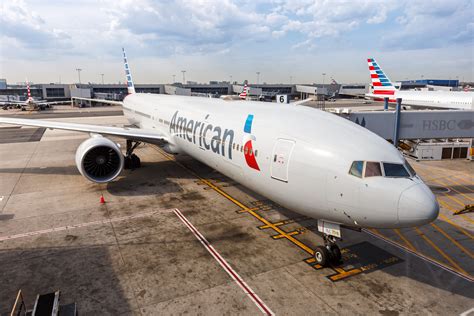
The airline’s flight attendants also secured a significant labor agreement in 2024 following years of negotiations. The contract included substantial pay increases, improved retirement contributions, boarding pay enhancements, and quality-of-life improvements. The agreement demonstrated both the importance of the workforce and the airline’s dependence on maintaining stable labor relations.
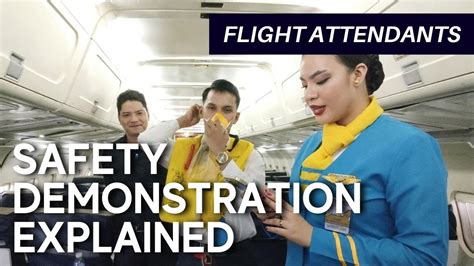
Beyond passenger service, American Airlines flight attendants perform critical safety functions. They undergo extensive training covering emergency evacuations, first aid, security procedures, firefighting, water survival, and aircraft-specific emergency protocols. Managing a workforce of nearly 30,000 trained safety professionals represents a logistical undertaking of enormous proportions.
Delta Air Lines Is Closing the Gap
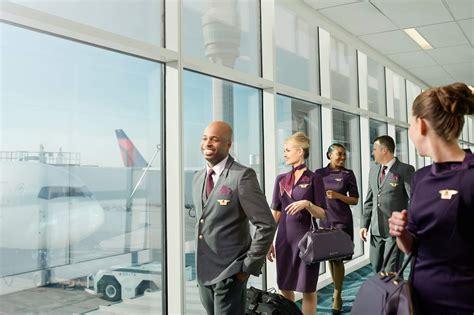
Although American Airlines currently occupies the top position, Delta Air Lines has emerged as a serious challenger. The Atlanta-based airline has aggressively expanded its cabin crew workforce since the pandemic recovery period.
Delta hired approximately 4,300 new flight attendants in 2022 and another 5,000 in 2023, representing one of the largest recruitment campaigns in airline history. By 2026, company communications indicated that Delta employed nearly 30,000 flight attendants, placing it within striking distance of American Airlines.
The carrier’s growth reflects strong passenger demand and substantial network expansion. Delta operates one of the world’s most extensive route systems, serving destinations across six continents while maintaining a dominant domestic presence throughout the United States.
Unlike many competitors, Delta has invested heavily in premium passenger experiences. This strategy often requires additional staffing resources, especially on long-haul international flights where multiple cabin classes and elevated service standards increase crew responsibilities.
Delta’s leadership frequently emphasizes the strategic role flight attendants play in customer satisfaction and brand loyalty. In an industry where service quality can significantly influence consumer choices, experienced cabin crew have become a competitive advantage rather than simply an operational requirement.
United Airlines Maintains One of Aviation’s Largest Cabin Crew Teams
United Airlines stands alongside American and Delta as one of the world’s largest employers of flight attendants. Current figures indicate that United has more than 28,000 flight attendants, making it one of only a handful of airlines capable of approaching the industry leader.
The airline’s enormous international footprint contributes significantly to its staffing needs. United serves an extensive network connecting North America with Europe, Asia-Pacific destinations, Latin America, Africa, and the Middle East. Long-haul international operations require larger cabin crews than shorter domestic flights, particularly on widebody aircraft such as the Boeing 777, Boeing 787 Dreamliner, and Airbus A350 family aircraft operated by competitors.
United’s flight attendants are represented by the Association of Flight Attendants (AFA), one of the most influential labor organizations in commercial aviation. Recent contract negotiations produced substantial improvements in compensation, scheduling flexibility, and workplace conditions, helping United remain competitive in recruiting and retaining experienced personnel.
As global travel demand continues increasing, United’s workforce is expected to remain among the largest in the industry. Its ambitious aircraft acquisition plans and expanding international schedule suggest ongoing demand for thousands of additional cabin crew members in coming years.
Southwest Airlines Built a Massive Workforce Through Domestic Dominance
Southwest Airlines differs significantly from its larger international competitors, yet it still maintains one of the world’s largest flight attendant populations.
The airline employs approximately 20,000 flight attendants, an extraordinary number considering Southwest primarily operates a domestic-focused route network. Unlike American, Delta, and United, Southwest does not rely heavily on intercontinental operations. Instead, it has built its business around high-frequency point-to-point service throughout the United States.
This operational model creates unique staffing requirements. Southwest aircraft often perform numerous flights each day, resulting in exceptionally high utilization rates. More departures translate directly into greater crew demand, even when individual flights are relatively short.
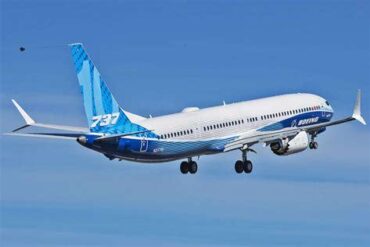
The airline’s fleet strategy also contributes to efficiency. Operating primarily Boeing 737 aircraft simplifies training, scheduling, and crew management. Nevertheless, supporting thousands of daily departures still requires one of the largest cabin crew organizations anywhere in the world.
Southwest has consistently emphasized employee relations and workplace culture. Its flight attendants benefit from competitive compensation packages and industry-leading work rules that have helped establish the carrier as a desirable employer.
Emirates Is the Largest International Airline Employer of Flight Attendants
Outside the United States, no airline comes closer to challenging American Airlines than Emirates.
The Dubai-based carrier has built what is arguably the world’s most internationally diverse cabin crew workforce. By 2024, Emirates employed approximately 27,000 flight attendants, following an aggressive recruitment campaign designed to support fleet expansion.
The airline’s hiring efforts have been truly global. Recruitment events have taken place in hundreds of cities across multiple continents, attracting candidates from more than 140 nationalities. Cabin crew members collectively speak over 130 languages, reflecting the international nature of Emirates’ route network.
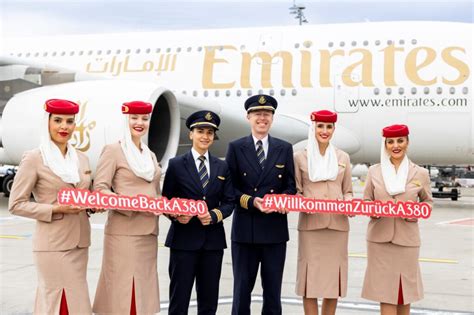
Emirates operates one of the world’s largest fleets of widebody aircraft, including the Airbus A380 and Boeing 777. These aircraft often require significantly larger cabin crews than narrowbody jets used on domestic routes. A fully staffed Airbus A380, for example, may carry dozens of cabin crew members depending on configuration and service requirements.
The airline’s continued growth has been fueled by Dubai’s position as a global connecting hub. Passengers traveling between Europe, Asia, Africa, Australia, and the Americas frequently transit through the emirate, generating demand for an extensive network supported by thousands of flight attendants.
Emirates also offers a compensation package designed to attract talent from around the world. Benefits commonly include tax-free income, furnished accommodation, transportation assistance, travel privileges, healthcare coverage, and international layover allowances.
Why American Airlines and Other US Carriers Dominate Flight Attendant Numbers
The dominance of American, Delta, United, and Southwest is not accidental. Several structural factors favor higher flight attendant headcounts among US airlines.
One major reason involves Federal Aviation Administration regulations. FAA rules require airlines to staff aircraft according to seat capacity rather than passenger load. Specifically, airlines must provide at least one flight attendant for every 50 passenger seats installed on an aircraft.
This requirement remains in effect regardless of how many passengers are actually onboard. Even lightly booked flights must meet minimum staffing levels based on certified seating capacity.
Many international jurisdictions apply different standards, allowing airlines greater flexibility when passenger numbers are low. As a result, US carriers often maintain larger overall cabin crew workforces than airlines operating under alternative regulatory frameworks.
Another important factor involves labor protection. Flight attendants in the United States generally benefit from strong union representation and comprehensive labor agreements. These contracts often include staffing protections, scheduling rules, compensation guarantees, and seniority systems that encourage long-term careers.
Because turnover tends to be lower, airlines maintain substantial pools of experienced personnel. In contrast, some international carriers experience higher turnover rates due to shorter employment cycles and differing employment structures.
Fleet Size and Network Complexity Drive Staffing Requirements
Airline size alone does not determine cabin crew numbers. The composition of an airline’s fleet and route network also plays a crucial role.
Large domestic networks require thousands of daily departures, creating extensive staffing needs even when aircraft are relatively small. American, Delta, Southwest, and United all operate dense domestic schedules involving multiple crew rotations every day.
International airlines face different challenges. Long-haul routes require augmented crews, additional rest provisions, multilingual capabilities, and specialized service training. Airlines such as Emirates therefore maintain large workforces despite operating fewer daily departures than some US competitors.
Fleet diversity can further increase staffing complexity. Airlines operating multiple aircraft families must train cabin crew on various safety procedures, equipment configurations, and service standards. This creates additional scheduling considerations and often necessitates larger staffing pools.
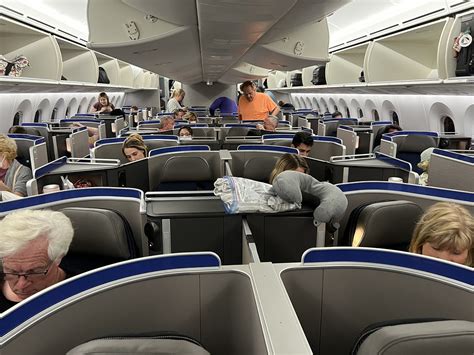
The expansion of premium travel has also influenced hiring trends. Modern business-class and first-class products require enhanced service delivery, leading some airlines to increase staffing levels on selected routes. As premium cabins become more sophisticated, the role of flight attendants continues evolving beyond traditional service responsibilities.
Mainline Airlines Versus Airline Groups
Comparing flight attendant numbers can be surprisingly complicated because airlines report workforce figures differently.
American Airlines’ widely cited total refers specifically to its mainline operation. It generally excludes regional affiliates operating under the American Eagle brand. This distinction is important because regional carriers employ thousands of additional cabin crew members under separate management structures.
The same challenge applies when evaluating airline groups such as Lufthansa Group or International Airlines Group (IAG). These organizations encompass multiple airlines operating under different brands, labor agreements, and employment systems.
Lufthansa Group includes carriers such as Lufthansa, Swiss International Air Lines, Austrian Airlines, Brussels Airlines, Eurowings, Discover Airlines, and ITA Airways. Combined, these subsidiaries employ a substantial number of flight attendants. However, because they operate independently, comparing their aggregate workforce directly against a single airline like American Airlines can be misleading.
Similarly, IAG consists of British Airways, Iberia, Aer Lingus, LEVEL, and Vueling. While the group collectively employs thousands of cabin crew members, each airline maintains distinct operational structures and staffing arrangements.
For accurate comparisons, aviation analysts generally focus on mainline carrier employment figures rather than aggregated group totals.
The World’s Largest Flight Attendant Workforce in 2026
Current industry data indicates that American Airlines remains the airline with the most flight attendants in the world, employing more than 28,000 cabin crew members and potentially approaching the 30,000 mark.
Delta Air Lines appears to be the closest competitor, followed closely by United Airlines. Southwest Airlines continues to maintain one of the largest domestic-focused cabin crew workforces globally, while Emirates stands as the largest international airline employer of flight attendants outside the United States.
The rankings illustrate how operational scale, regulatory frameworks, labor practices, fleet composition, and network design influence workforce requirements. While exact numbers fluctuate as airlines recruit, retire employees, and expand operations, the industry’s largest carriers continue employing cabin crew populations measured not in hundreds, but in tens of thousands.
As global air travel grows and airlines add new aircraft to meet demand, these workforces are likely to expand even further. For now, however, American Airlines retains the distinction of operating the world’s largest flight attendant workforce—a reflection of both its immense scale and the extraordinary logistical effort required to keep millions of passengers moving safely around the globe every year.