The race to define the most luxurious first class lounge in the United States has quietly transformed the way premium travelers experience airports. What was once a utilitarian waiting area with complimentary snacks has evolved into a curated, high-performance ecosystem where privacy, culinary excellence, and seamless transit converge. Today, luxury is no longer measured by marble countertops or free champagne alone—it is defined by how effortlessly a traveler moves from curb to cabin.
Across the country, a handful of elite contenders have redefined expectations, particularly at New York’s JFK Airport, Los Angeles International Airport (LAX), and the emerging private terminal concept in Miami. Each offers a distinct interpretation of luxury, forcing travelers to confront a fundamental question: is true indulgence found in a refined shared space, or in complete isolation from the airport entirely?
The answer is not simple. In fact, it reveals a fascinating split in how modern luxury is understood.
The New Definition of Luxury in US Airport Lounges
Luxury in aviation used to be loud—crystal glasses, gold accents, and over-the-top buffets designed to impress at first glance. That era is fading. Today’s most sophisticated lounges operate with a quieter confidence, focusing on efficiency, personalization, and psychological comfort rather than spectacle.
At the highest level, the goal is to eliminate friction. Travelers are no longer just looking for comfort; they want control over time, space, and interaction. The most luxurious lounges deliver this by minimizing uncertainty. From guaranteed seating in dining areas to real-time flight coordination handled by staff, the experience becomes less about waiting and more about flowing seamlessly through a controlled environment.
This shift has led to two dominant models of luxury in the US: the ultra-premium airline lounge and the fully private terminal experience.
JFK’s Chelsea Lounge: The Pinnacle of Traditional First Class Luxury
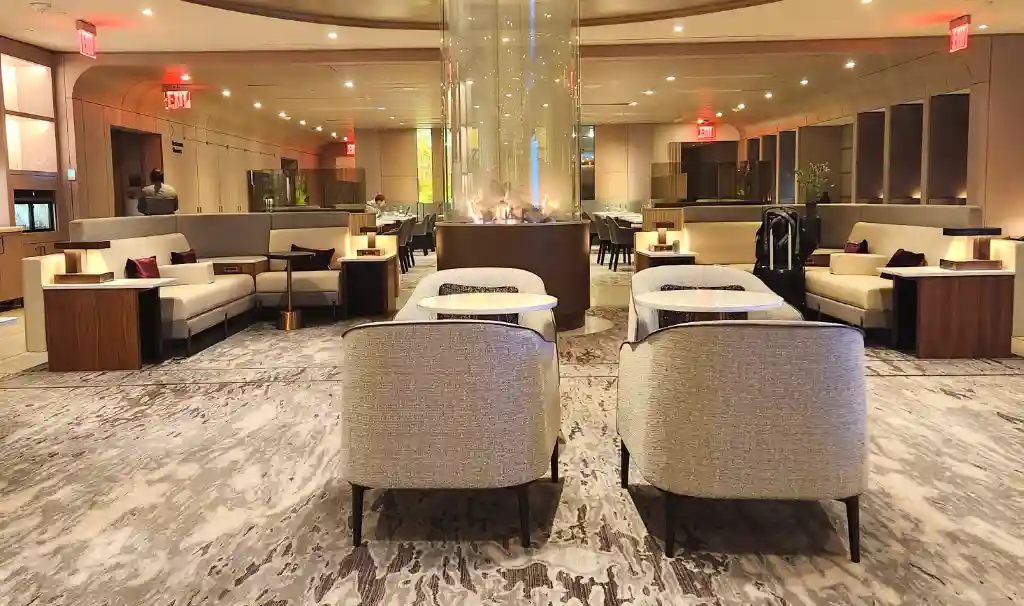
At John F. Kennedy International Airport, the Chelsea Lounge in Terminal 8 stands as the most refined example of an airline-operated first class lounge in the United States. Developed through a partnership between American Airlines and British Airways, this space is intentionally exclusive, with access restricted to a narrow group of long-haul first class passengers and invitation-only elites.
What makes the Chelsea Lounge exceptional is not just what it offers, but how deliberately it limits access. The result is an environment where crowding is virtually nonexistent, allowing every element—from dining to service—to operate at an uncompromising level.
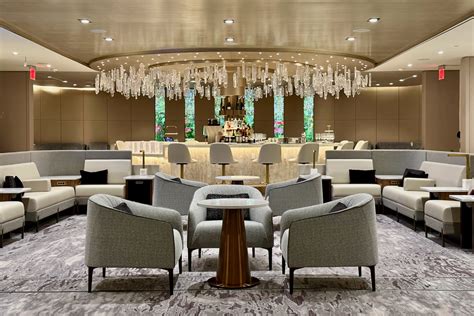
The centerpiece of the lounge is its circular champagne bar, where labels like Krug are served without hesitation. This is not a symbolic gesture; it reflects a broader commitment to positioning the lounge as a culinary destination rather than a pre-flight convenience. The menu is seasonal, ingredient-driven, and plated with the precision of a high-end Manhattan restaurant.
Beyond dining, the Chelsea Lounge excels in subtle but critical areas. Shower suites are equipped with high-end amenities and efficient garment steaming services, ensuring travelers can transition directly from long-haul flights to meetings without disruption. Staff operate with an almost anticipatory awareness, often addressing needs before they are verbalized.
This is traditional luxury at its peak—refined, controlled, and deeply intentional.
PS at LAX and Miami: The Rise of the Private Terminal Experience
While JFK represents the best of the traditional model, PS (formerly The Private Suite) at Los Angeles International Airport and its expansion into Miami introduces a radically different concept. Here, the idea of a “lounge” is almost obsolete. Instead, travelers enter a fully private terminal, bypassing the main airport entirely.
From the moment of arrival, the experience diverges sharply from anything found in a standard terminal. Guests are greeted curbside and escorted into private suites where TSA screening occurs discreetly within the facility itself. There are no lines, no crowds, and no exposure to the typical airport environment.
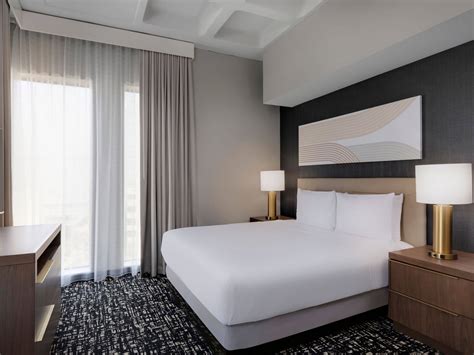
Once cleared, travelers relax in individual luxury suites featuring curated interiors, personalized catering, and complete privacy. When it is time to board, they are driven directly to the aircraft in a BMW 7 Series, bypassing the gate entirely.
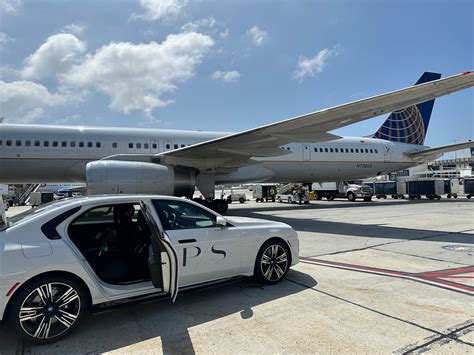
This model redefines luxury as total isolation. There is no ambient noise, no shared space, and no unpredictability. For high-profile individuals, executives, or anyone who values discretion above all else, PS offers something that even the best airline lounges cannot: complete separation from the public travel experience.
However, this level of exclusivity comes at a cost—both financially and philosophically. It removes the communal aspect of travel entirely, turning the journey into a private transaction rather than a shared experience.
Delta One Lounge at JFK: Scale Meets Precision
Another major contender in the US luxury lounge landscape is the Delta One Lounge at JFK, a facility that approaches luxury from a different angle: scale combined with technological sophistication.
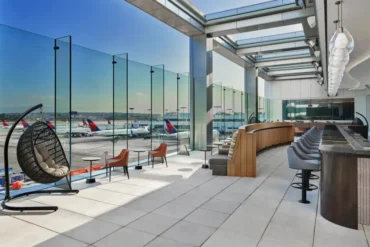
Spanning nearly 40,000 square feet, this lounge is designed to accommodate a large volume of premium travelers without sacrificing comfort. The space includes a 140-seat full-service brasserie, offering restaurant-quality meals that rival top-tier urban dining establishments.
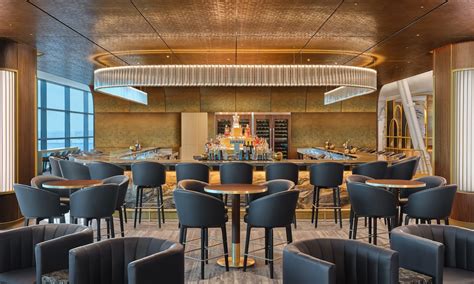
What sets Delta apart is its focus on wellness and environmental control. The lounge features a Luminary lighting system designed to regulate circadian rhythms, helping travelers adjust to time zone changes before they even board their flight. This level of physiological consideration reflects a deeper understanding of what modern travelers truly need.
Unlike the Chelsea Lounge, which relies on exclusivity through restriction, Delta achieves a similar sense of comfort through intelligent design and operational efficiency. Even at higher occupancy levels, the space rarely feels chaotic, thanks to careful zoning and a high staff-to-guest ratio.
This is luxury engineered at scale—precise, efficient, and quietly sophisticated.
Ease of Movement: The Hidden Metric of True Luxury
Perhaps the most important factor in determining the most luxurious airport lounge in the US is not the food, the décor, or even the service—it is how easily a traveler moves through the airport ecosystem.
In this regard, PS holds a clear advantage. By eliminating the terminal entirely, it removes the most stressful elements of air travel: security lines, crowded gates, and unpredictable delays. The journey becomes a controlled sequence of events, each one designed to minimize friction.
Traditional lounges, even at their best, cannot fully replicate this. However, they are closing the gap. Premium TSA lanes, dedicated entrances, and coordinated boarding processes are becoming standard features in top-tier lounges like those at JFK.
The difference ultimately comes down to philosophy. Airline lounges aim to enhance the existing airport experience, while private terminals seek to replace it entirely.
What Elite Travelers Actually Value
Frequent first class travelers—especially those with access to invitation-only tiers like ConciergeKey or Delta 360—tend to view luxury differently than occasional passengers. For them, the novelty of premium offerings fades quickly, replaced by a desire for consistency and predictability.
A guaranteed quiet workspace with high-speed, low-latency Wi-Fi often holds more value than an elaborate buffet. The ability to secure a table in a full-service restaurant without waiting can outweigh the presence of rare champagne labels.
There is also a growing appreciation for invisible service. The most memorable experiences are often those where staff anticipate needs without intrusion—adjusting lighting, preparing preferred meals, or coordinating boarding times seamlessly.
This shift reflects a broader trend toward minimalist luxury, where the emphasis is on reducing effort rather than increasing extravagance.
How the US Compares to Global First Class Lounge Leaders
Despite significant advancements, US lounges still face stiff competition from global leaders such as Al Safwa First Lounge in Doha and Air France’s La Première in Paris. These facilities operate on an entirely different scale, often resembling five-star hotels or private clubs more than airport lounges.
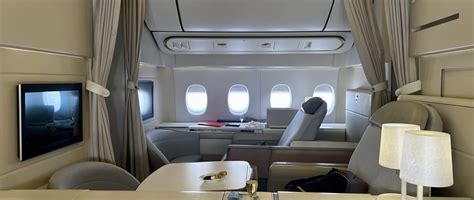
What sets them apart is the concept of a fully integrated journey. Passengers are met at the curb, escorted through private security, and transported directly to the aircraft as part of a seamless, airline-controlled experience. Every touchpoint is curated, creating a sense of continuity that US lounges are still working to achieve.
However, the US has carved out its own niche through technological integration. Features like app-based service requests, real-time luggage tracking, and superior connectivity often surpass what is available in more traditional European lounges.
For business travelers, this can make US lounges more practical, even if they lack the theatrical grandeur of their international counterparts.
The Problem of Exclusivity and Access
One of the defining characteristics of the most luxurious lounges in the US is also their most controversial: extreme exclusivity. Access is often limited not just by ticket class, but by specific routes, fare types, and invitation-only status levels.
At the Chelsea Lounge, even high-tier frequent flyers may be denied entry unless they are traveling on qualifying first class tickets. This creates a layered hierarchy within the premium travel segment, where status alone is no longer enough.
While this approach preserves the quality of the experience, it also raises questions about accessibility. Luxury, by definition, excludes—but in the current landscape, the barriers have become particularly pronounced.
Overcrowding remains another challenge. Even the most carefully designed spaces can become strained during peak travel periods, particularly in hubs like New York and Los Angeles. Timing, therefore, becomes an essential factor in maximizing the experience.
So, Which Airport Truly Has the Most Luxurious First Class Lounge?
The answer depends entirely on how luxury is defined.
If the goal is to experience the finest traditional airline lounge, with exceptional dining, refined service, and a carefully controlled environment, then JFK Airport—specifically the Chelsea Lounge—stands at the top. It represents the pinnacle of what an airline-operated lounge can achieve within the constraints of a public terminal.
If, however, luxury is defined as complete privacy and total control over the travel experience, then PS at LAX (and soon Miami) sets a new global benchmark. It is not just a lounge—it is a reimagining of the airport itself.
For those who value scale, innovation, and wellness-focused design, the Delta One Lounge at JFK offers a compelling middle ground, blending accessibility with high-end execution.
The Future of First Class Lounges in the United States
The trajectory of US airport lounges suggests a future where the line between airport, hotel, and private club continues to blur. Investments in biometric technology, personalized service platforms, and integrated logistics are transforming the airport from a place of transit into a destination in its own right.
As more airlines expand their premium offerings into secondary hubs like Boston and Seattle, the gap between major and regional airports may begin to close. At the same time, the rise of private terminal concepts indicates a growing demand for hyper-personalized travel experiences.
Ultimately, the evolution of luxury in aviation is moving toward a single goal: effortless travel. The less a passenger has to think about logistics, the more luxurious the journey becomes.
And in that sense, the most luxurious lounge is not just a place—it is a feeling of complete control, where every detail is handled, every need is anticipated, and the chaos of travel simply disappears.