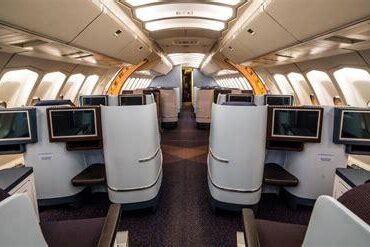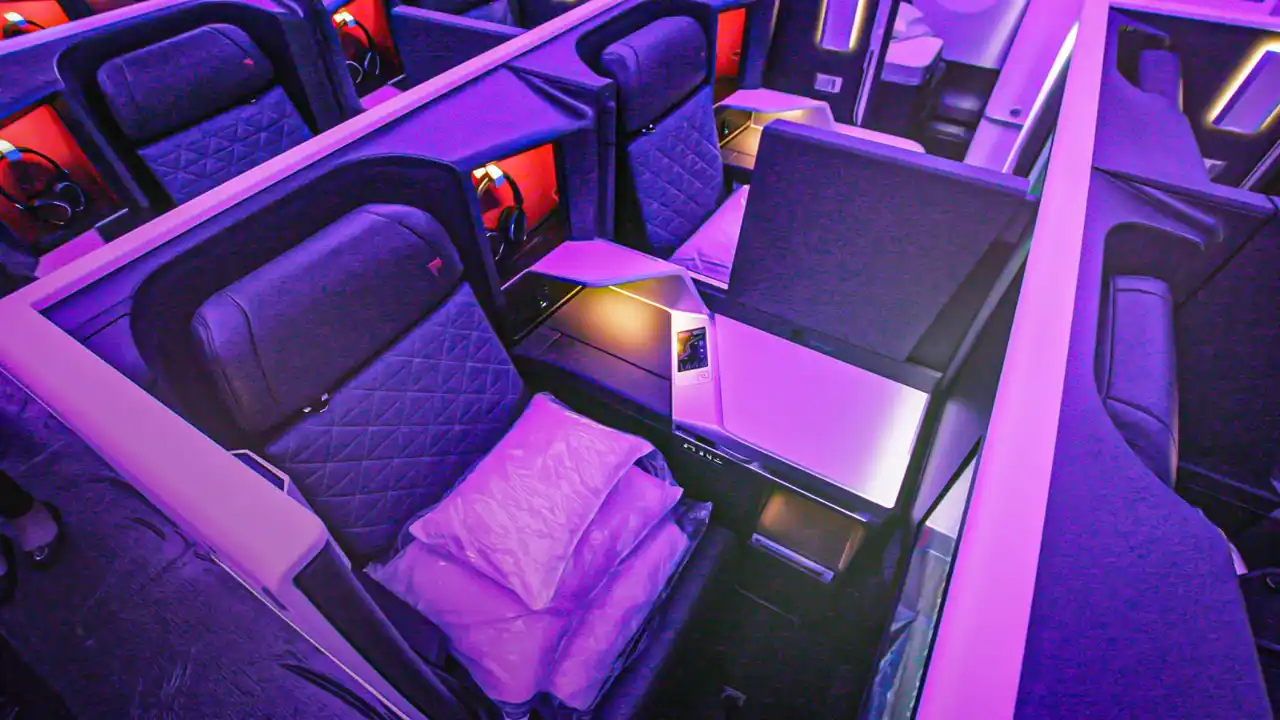
The modern international business class cabin is no longer just a lie-flat seat and a glass of champagne at cruising altitude. For premium travelers departing the United States, Delta One and United Polaris represent two carefully engineered philosophies about what long-haul luxury should feel like, from curb to cabin and back again. Both products aim to erase the fatigue of intercontinental travel, yet they approach that mission from strikingly different angles. One prioritizes exclusivity, visual drama, and privacy; the other focuses on scale, predictability, and operational consistency across a vast global network.
These differences matter. For a traveler crossing the Atlantic monthly, predictability can be as valuable as indulgence. For a once-a-year long-haul flyer, the emotional impact of a beautifully designed suite or a memorable lounge meal may define the entire journey. Understanding where Delta One and United Polaris diverge helps turn an expensive ticket into a deliberate choice rather than a gamble.
The contrast becomes clearer when viewed as two interpretations of the same goal: delivering a business class product that can finally stand shoulder-to-shoulder with the world’s best carriers. Delta frames its offering as boutique luxury in the sky, while United frames Polaris as a dependable, systemwide premium experience. Both succeed, but not in the same way.
Two Flagship Products, Two Philosophies
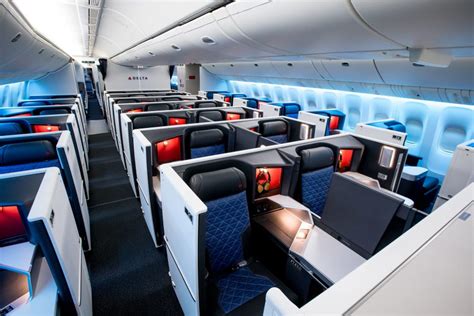
Delta One is designed to feel rare. The airline has concentrated its most advanced suites on specific aircraft types, particularly the Airbus A350 and A330-900neo, where the cabin architecture allows for tall walls, sliding doors, and a sense of personal enclosure. The marketing language leans heavily on individuality and calm, emphasizing that each passenger should feel insulated from the rest of the aircraft. Delta’s approach treats business class as a luxury hotel room that happens to be moving at Mach 0.85.
United Polaris, by contrast, is built around reach and reliability. United has spent years standardizing its business class across widebody aircraft, especially the Boeing 787 Dreamliner family. The aim is not to surprise, but to reassure. A frequent flyer booking Polaris from Newark to Tokyo or San Francisco to Frankfurt knows, almost to the inch, what the seat will feel like and how the service will unfold. United’s philosophy assumes that confidence comes from consistency rather than spectacle.
This philosophical split extends beyond the aircraft itself, shaping everything from lounge access policies to dining cadence and even amenity kit design.
Seat Design and Personal Space in the Air
The seat is the emotional core of any business class product, and here the divergence is immediate. Delta One Suites feature full-height shells and sliding doors on newer aircraft, creating one of the most private business class environments offered by a U.S. carrier. The doors are not a gimmick; they materially reduce visual noise and contribute to a cocoon-like atmosphere, especially on overnight flights. The 1-2-1 configuration ensures direct aisle access, while wide consoles provide ample storage for laptops, headphones, and personal items without clutter.
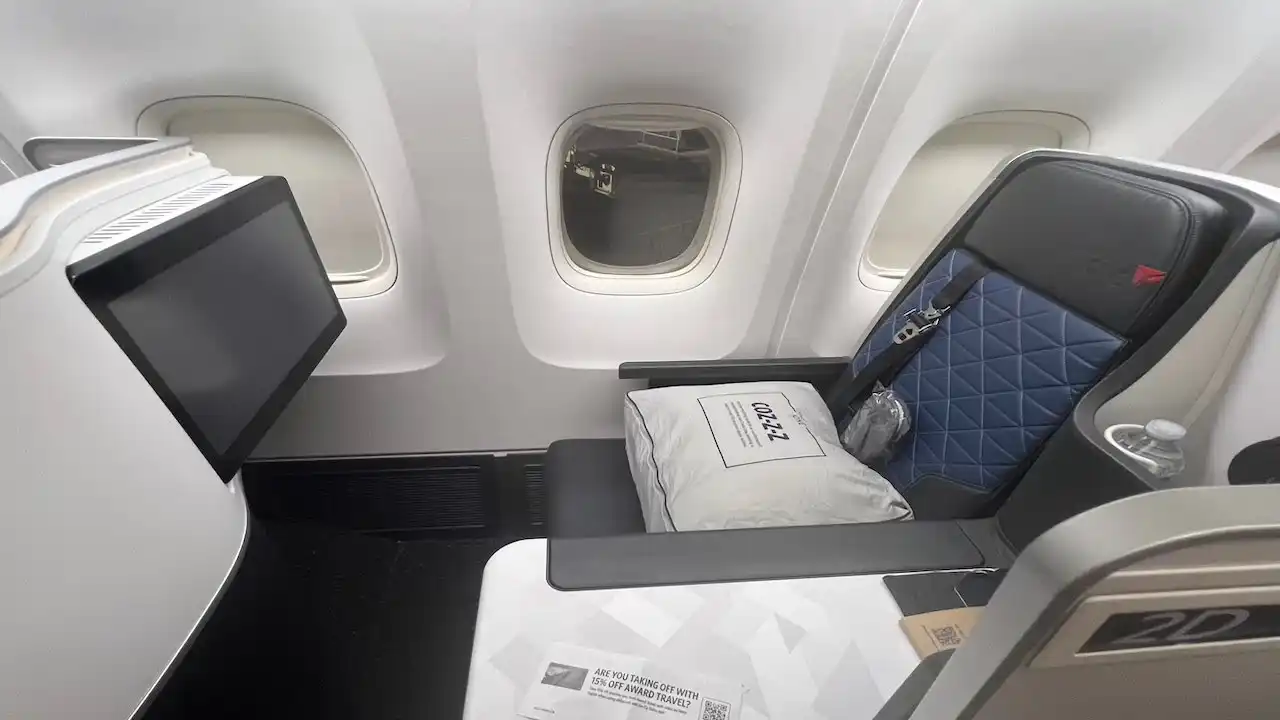
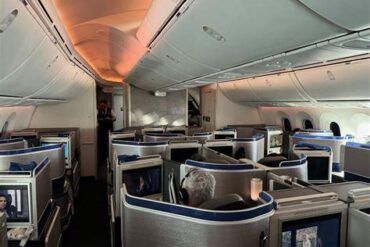
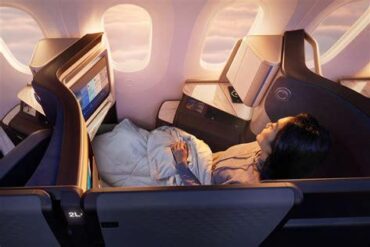
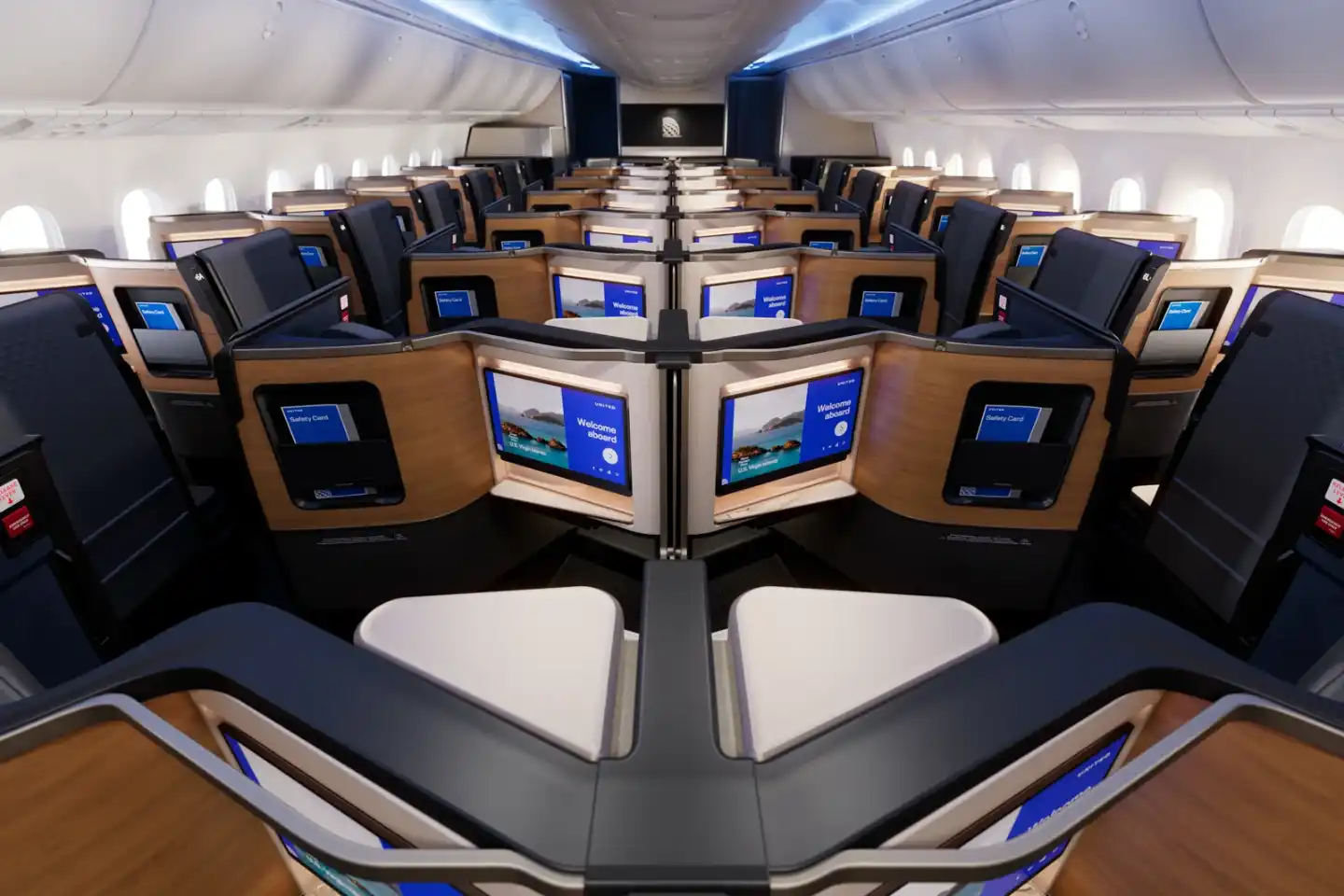
United Polaris seats also follow a 1-2-1 layout on most modern aircraft, but they rely on staggered geometry and dividers rather than doors. The result is a cabin that feels open and modern rather than enclosed. While some travelers prefer the psychological separation of Delta’s doors, others find Polaris seats more comfortable for sleeping due to their bedding and mattress pad. United has invested heavily in Saks Fifth Avenue bedding, which frequent flyers often cite as one of Polaris’ strongest advantages.
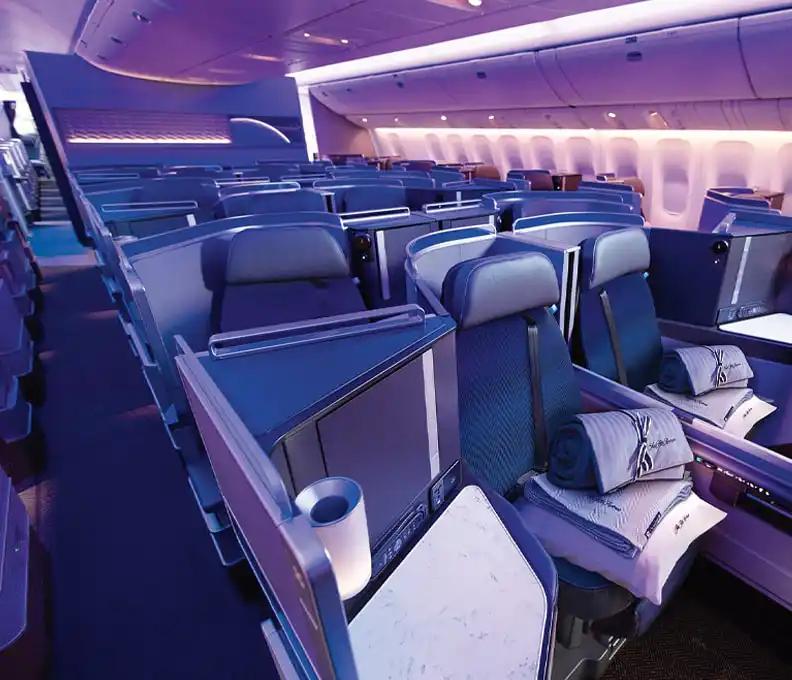
Technology further differentiates the two. United Polaris offers wireless charging, Bluetooth audio pairing, and some of the largest in-flight entertainment screens among U.S. airlines. Delta counters with intuitive seat controls, abundant power outlets, and a refined lighting scheme that complements the suite aesthetic. Neither product lags technologically, but they prioritize different comforts: tactile luxury versus functional convenience.
Cabin Ambience and Sleep Quality
Sleep is the true currency of long-haul business travel, and both airlines optimize their cabins around rest, albeit through different strategies. Delta’s enclosed suites reduce ambient light and visual distractions, making it easier to mentally disconnect. Combined with subtle cabin lighting and high-quality noise-canceling headphones, Delta One excels on routes where deep, uninterrupted sleep is the priority.
United Polaris cabins feel airier, a quality enhanced by the Boeing 787’s humidified cabin environment. United’s decision to invest in onboard humidification has tangible physiological benefits. Passengers often report less dryness and fatigue upon arrival, especially on ultra-long-haul routes. This environmental advantage can outweigh aesthetic considerations for travelers who value how they feel after landing more than how the cabin looks during the flight.
Lounge Experience: Curated Luxury vs Network Strength
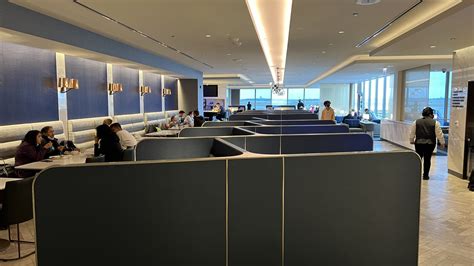
On the ground, the divergence becomes architectural. United Polaris Lounges were among the first purpose-built business class lounges in the United States, setting a new standard when they launched. Today, Polaris lounges form a cohesive network across major hubs such as Chicago O’Hare, Newark, San Francisco, and Los Angeles. Access rules are strict, maintaining a sense of exclusivity and preventing overcrowding. Inside, the experience is deliberately calm, with restaurant-style dining, shower suites, and quiet zones that feel more like a private club than an airport facility.
Delta’s Delta One Lounges are fewer in number but more theatrical in execution. Each location is designed to reflect its city, from the maritime themes in Boston to the open-air terraces in Los Angeles. Dining is a focal point, with regionally inspired menus and curated beverage programs. Delta’s lounges feel like destinations in themselves, places where passengers arrive early rather than merely pass time.
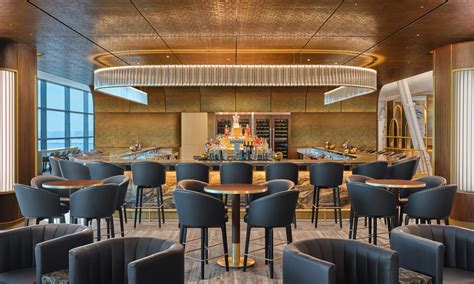
Access policies further underscore the difference. United prioritizes exclusivity through limitation, while Delta allows a broader range of premium passengers, even permitting family guests for a fee. The result is a more social atmosphere that some travelers love and others find distracting.
Dining Above the Clouds
In-flight dining reveals how each airline interprets luxury. United Polaris emphasizes flexibility. Passengers can opt for multi-course service or choose express dining to maximize sleep. This approach respects the traveler’s schedule rather than imposing a fixed service rhythm. The return of the Polaris ice cream sundae cart adds a playful, nostalgic touch that resonates with frequent flyers.
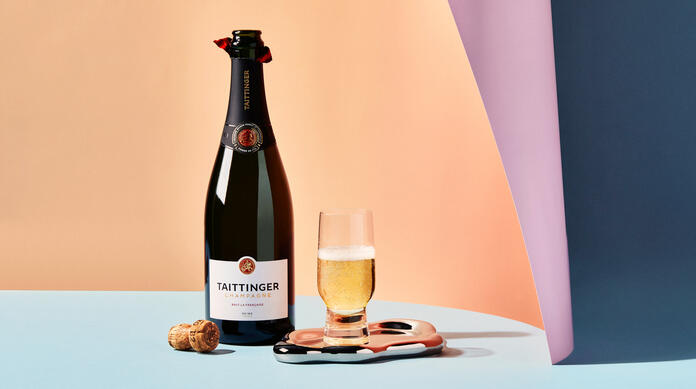
Delta One, on the other hand, treats dining as a centerpiece. Collaborations with celebrated chefs and premium brands like Taittinger Champagne elevate the meal into a curated experience. Menus change seasonally, and flavors are intentionally bold to counteract the dulling effect of altitude on taste perception. The service flows like a high-end restaurant, with courses presented sequentially and plated with care.
Neither approach is objectively superior. United’s flexibility suits travelers who want control, while Delta’s indulgence appeals to those who view the meal as part of the journey’s pleasure.
Amenity Kits and Small Touches
Details matter at 35,000 feet. Delta’s partnership with Missoni brings Italian design sensibility into the cabin, with amenity kits that feel more like luxury accessories than airline freebies. United counters with Therabody skincare products, emphasizing wellness and recovery. These choices mirror each airline’s broader identity: Delta leans aesthetic, United leans functional.
What Frequent Flyers Actually Say
Seasoned travelers tend to strip away marketing language quickly. Among frequent flyers, opinions split along predictable lines. Delta One earns praise for privacy and lounge ambiance, particularly at JFK, where the experience often exceeds expectations. United Polaris is lauded for seat comfort, bedding quality, and the physiological benefits of the 787’s cabin environment.
Criticism exists on both sides. Some travelers find Delta’s suites visually impressive but less comfortable for long sleep periods. Others argue that Polaris, while consistent, lacks the emotional punch expected at its price point. These debates highlight a key truth: at this level, preferences become deeply personal.
Consistency vs Occasion: Choosing the Right Product
Choosing between Delta One and United Polaris is less about ranking and more about intent. Delta One excels when the journey itself is meant to feel special, particularly on modern aircraft paired with access to a Delta One Lounge. It is a product designed to impress and insulate, ideal for travelers who value privacy, design, and culinary flair.
United Polaris shines for travelers who prize consistency across routes and fleets. Its standardized cabins, expansive lounge network, and practical service model make it a dependable companion for frequent intercontinental travel. The experience may feel less theatrical, but it rarely disappoints.
Industry recognition reflects this nuance. Delta’s strong showing in Skytrax rankings underscores its success in creating a compelling premium narrative, while United’s Polaris lounges and seats consistently earn respect for comfort and usability.
The Bottom Line
At their best, Delta One and United Polaris represent the maturation of American business class into something globally competitive. One invites you into a private, design-forward sanctuary; the other offers a reliable, well-engineered space optimized for rest and efficiency. The better choice depends not on which airline wins an award, but on what kind of traveler you are and what you want your journey to feel like.
For some, luxury is silence, privacy, and a sliding door. For others, it is knowing exactly how well you will sleep and how you will feel when the wheels touch down. In that distinction lies the real difference between Delta One and United Polaris.