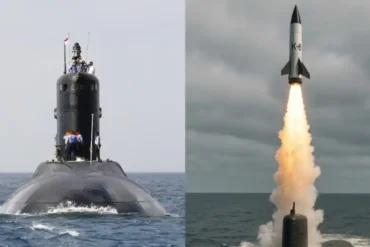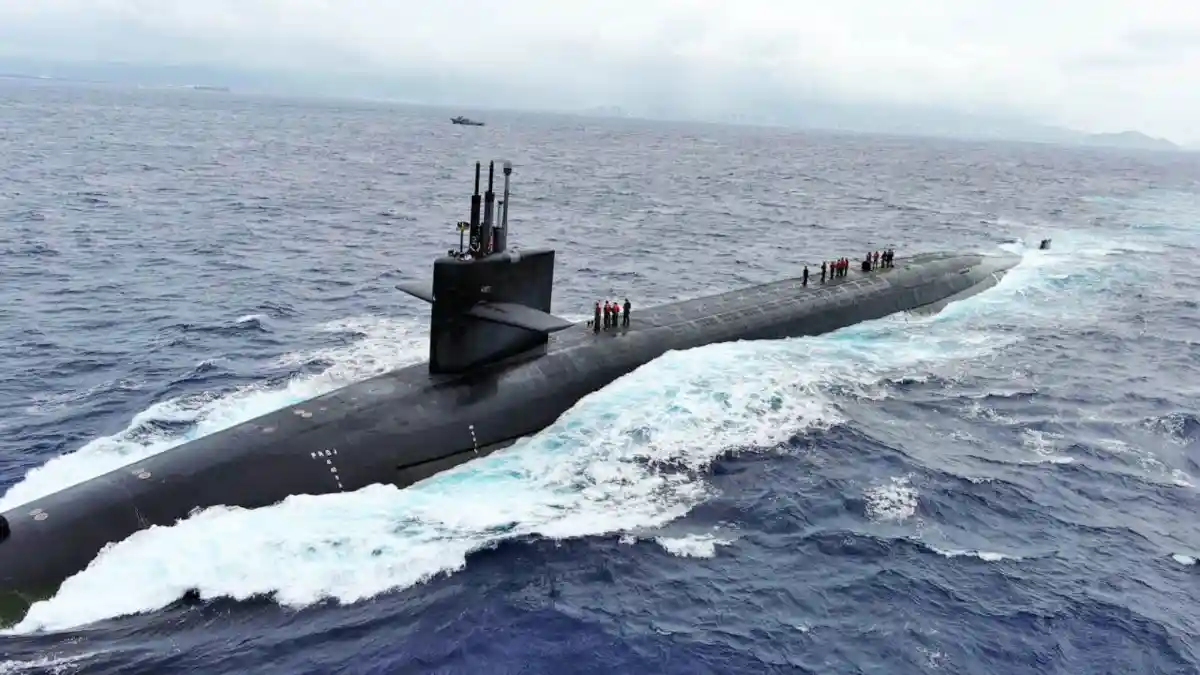
Nuclear submarines have long been at the forefront of modern military strategy, representing the pinnacle of naval engineering, deterrence capability, and stealth-based global power projection. As geopolitical tensions intensify in strategic waters—from the South China Sea to the Arctic—the world’s top naval powers continue to invest billions into expanding and upgrading their nuclear submarine fleets. Among these nations, the United States stands alone at the top of the hierarchy, both in terms of fleet size and operational capability.
The Unmatched Nuclear Submarine Dominance of the United States
As of 2025, the United States Navy operates the largest nuclear submarine fleet in the world, consisting of 71 active vessels. These are meticulously distributed across three main mission types: 53 fast attack submarines, 14 ballistic missile submarines (SSBNs), and 4 guided missile submarines (SSGNs). This fleet forms a critical part of the U.S. strategic triad, ensuring the country maintains credible deterrence and uninterrupted second-strike capability.
The massive U.S. fleet is not just defined by numbers. What sets it apart is the technological sophistication and global reach of its submarines. These vessels can operate for months beneath the ocean surface without surfacing, powered by onboard nuclear reactors and sustained only by the limits of onboard provisions.
Russia’s Formidable But Second-Largest Fleet
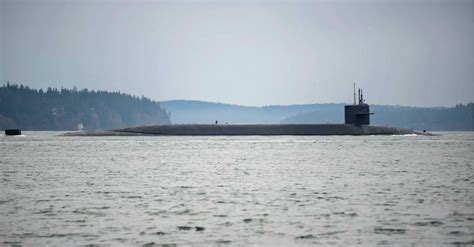
Russia has long been considered a submarine superpower. Drawing from its Cold War legacy, the Russian Navy maintains a formidable undersea presence with approximately 30 nuclear submarines. This includes both attack submarines (SSNs) and ballistic missile submarines (SSBNs).
While the fleet is numerically smaller than that of the United States, Russia’s submarines are known for their endurance, speed, and increasingly modern weaponry. In recent years, Moscow has made aggressive moves to modernize its undersea arsenal with advanced classes such as the Borei-class and Yasen-class, both equipped with cutting-edge stealth features and long-range nuclear payloads.
China’s Rising Nuclear Submarine Force
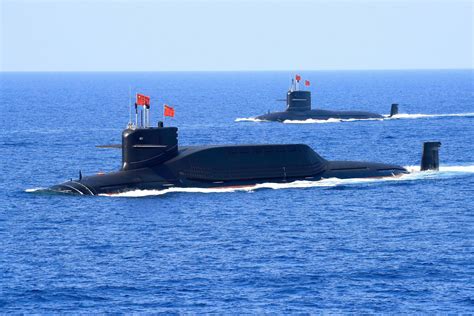
China, the third-ranking nuclear submarine power, is experiencing rapid naval expansion. At the start of 2024, China’s fleet consisted of 12 nuclear submarines, equally split between six attack submarines and six ballistic missile submarines.
While the numbers pale in comparison to the U.S. and Russia, China’s strategic intentions are clear. The People’s Liberation Army Navy (PLAN) is investing heavily in next-generation platforms, such as the Type 096 ballistic missile submarines, designed to significantly extend Beijing’s nuclear deterrent reach.
The Genesis of U.S. Nuclear Submarine Supremacy
The roots of American dominance in nuclear submarine technology trace back to the 1950s. In 1954, the U.S. Navy commissioned the USS Nautilus (SSN-571), the world’s first nuclear-powered submarine. This innovation revolutionized naval warfare, introducing vessels that could remain submerged indefinitely—limited only by crew provisions.
The USS Nautilus, measuring 98 meters in length and weighing 3,533 tons on the surface, outclassed diesel-electric submarines with its sustained high-speed underwater travel and minimal surfacing requirements. The ship’s uranium-fueled reactor was a breakthrough, one that would catalyze a naval engineering race across the globe.
Evolution Toward Modern American Nuclear Submarines
From the USS Nautilus to the USS Iowa, commissioned in April 2025, American nuclear submarines have undergone dramatic transformation. The USS Iowa represents the cutting edge of submarine warfare, featuring reconfigurable torpedo rooms, unmanned undersea vehicle launch capabilities, and Tomahawk cruise missile deployment systems. It also replaces traditional periscopes with advanced photonics masts, leveraging digital imaging for improved stealth and targeting.
Today’s U.S. nuclear submarines are nearly limitless in endurance. Their reactors provide power for up to 30 years, and logistical support systems ensure months of submerged operation. Their agility, silence, and armament options position them as essential tools for deterrence, surveillance, and rapid global response.
Operational Classes of U.S. Nuclear Submarines
American nuclear submarines fall into four main classes, each optimized for specific operational missions:
Ohio-Class (SSBN/SSGN)
The Ohio-class is the backbone of America’s strategic deterrent. These submarines carry Trident II D5 nuclear ballistic missiles, providing second-strike capability. Four of these vessels have been converted into guided missile submarines (SSGNs), with capacity for up to 154 Tomahawk missiles, enabling precision land attacks.
Los Angeles-Class (SSN)
This fast attack submarine class has formed the core of U.S. undersea operations since the Cold War. Designed for anti-submarine warfare, intelligence gathering, and coastal operations, some Los Angeles-class subs are equipped with Vertical Launch Systems (VLS) to fire cruise missiles.
Seawolf-Class (SSN)
Only three Seawolf-class submarines were built due to the high cost and post-Cold War defense cuts. These vessels are among the most advanced and stealthiest in the world, capable of deep-sea operations and equipped for high-intensity conflict.
Virginia-Class (SSN)
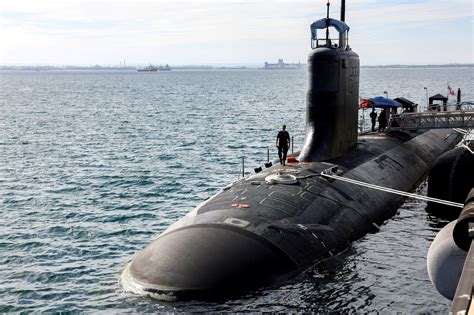
The newest class, Virginia submarines are multi-mission platforms. They feature modular payload tubes, advanced sonar systems, and digital navigation systems. The class is designed to be highly adaptable for littoral and open-ocean missions, providing a robust blend of stealth, surveillance, and strike capabilities.
The Strategic Role of Nuclear Submarines in U.S. Doctrine
Nuclear submarines form the silent leg of the U.S. nuclear triad—complementing land-based ICBMs and strategic bombers. These vessels are not just deterrents but are also platforms for surveillance, covert insertion of special forces, anti-ship warfare, and land-strike operations.
Submarines like the Ohio and Virginia classes can operate independently or in coordination with carrier strike groups, amphibious task forces, or special operations teams. Their ability to remain undetected for months makes them ideal for strategic reconnaissance, especially in contested zones like the Indo-Pacific, Arctic waters, and the Persian Gulf.
Looking Forward: What the Future Holds
As technological innovations continue, the U.S. Navy is investing in the next generation of submarines through programs like the Columbia-class, set to eventually replace the Ohio-class. Columbia-class submarines will feature life-of-ship reactors, reduced acoustic signatures, and longer patrol durations, enhancing the stealth and lethality of the fleet.
Meanwhile, competitors are not standing still. Russia continues to deploy its new Borei-A and Yasen-M classes, and China is fast-tracking development on its Type 096 SSBNs and a next-gen Type 093B SSN.
Conclusion
The race for undersea dominance is intensifying, but no nation currently rivals the scale, reach, and capability of the United States’ nuclear submarine fleet. With its 71 nuclear-powered vessels, the U.S. Navy holds an overwhelming advantage in both quantity and quality. While Russia maintains a powerful legacy fleet and China races ahead in modernization, America’s decades-long lead in nuclear propulsion, weapons systems, and tactical doctrine ensures its submarines remain unmatched beneath the world’s oceans.
In a world where strategic deterrence and maritime supremacy are increasingly vital, nuclear submarines remain the most elusive and powerful vessels in any military’s arsenal—and the United States leads that silent, deadly parade beneath the waves.