United Airlines has been executing one of the most deliberate pilot recruitment strategies in the aviation industry. While much of the public attention has focused on new aircraft orders, premium cabin upgrades, and international route expansion, another initiative has quietly become one of the airline’s most valuable long-term investments. Since launching its dedicated Military Pilot Program in 2024, United has consistently hired approximately one class of military aviators every week, creating a reliable stream of highly experienced pilots ready to support its ambitious growth.
Rather than waiting for experienced pilots to enter the civilian market, United has effectively built an early recruitment pipeline that secures military aviators before they even leave active service. The approach reflects a broader understanding that future airline success depends not only on purchasing aircraft but also on ensuring enough qualified flight crews are available to operate them safely.
As United continues implementing its massive United Next transformation plan, this military hiring strategy has become a cornerstone of maintaining operational growth while preserving the airline’s high training standards.
After only a few years, the results are already substantial. Nearly 600 former military pilots have joined United through the program, with additional hiring continuing every week.
United Airlines’ Rapid Fleet Expansion Requires Thousands of New Pilots
Since the pandemic recovery began, United Airlines has expanded at a pace unmatched by most global carriers.
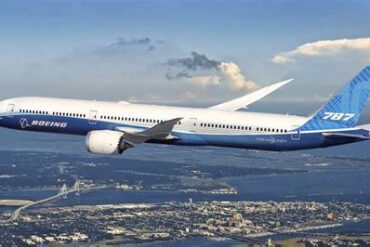
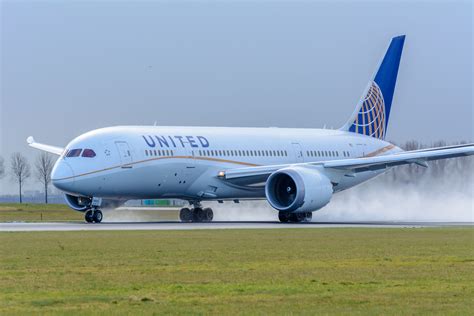
Its mainline fleet has grown from fewer than 800 aircraft in 2019 to well over 1,100 aircraft, driven primarily by deliveries of the Boeing 737 MAX, Airbus A321neo, and additional Boeing 787 Dreamliners. These aircraft form the backbone of United’s long-term modernization strategy designed to strengthen both domestic and international competitiveness.
Every new aircraft requires multiple complete flight crews to sustain daily operations. Unlike adding a single airplane, expanding a fleet by hundreds of aircraft creates demand for thousands of additional pilots over several years.
United has already hired more than 7,000 pilots since the pandemic and now employs over 18,000 pilots, making it the world’s largest airline pilot workforce. This growth exceeds the pilot numbers maintained by many of its closest competitors and demonstrates just how aggressively the airline has been investing in operational capacity.
Yet aircraft alone cannot generate revenue. Every expansion depends upon recruiting, training, and retaining qualified cockpit crews capable of operating safely under increasingly complex airline schedules.
Why Military Pilots Have Become One of United’s Most Valuable Talent Sources
Military aviators represent one of the highest-quality pilot pools available anywhere in aviation.
Unlike civilian pilots who often accumulate experience gradually through flight instruction, charter operations, and regional airlines, military pilots typically spend a decade flying demanding missions under rigorous operational standards.
They routinely operate in:
- Complex airspace
- Challenging weather
- Multi-crew environments
- High-workload missions
- Strict procedural frameworks
These experiences translate exceptionally well into airline operations.
Former transport, tanker, surveillance, and cargo pilots frequently possess extensive experience operating large turbine aircraft comparable in size and complexity to commercial airliners. Crew coordination, checklist discipline, risk management, and decision-making under pressure are already deeply ingrained before they ever begin airline training.
For airlines investing hundreds of thousands of dollars into pilot qualification, hiring candidates with proven operational maturity significantly reduces training risk.
Inside the United Military Pilot Program
United’s Military Pilot Program was specifically designed to remove uncertainty for military aviators preparing to transition into civilian aviation.
Unlike traditional hiring, active-duty pilots can receive a conditional job offer while still serving in uniform.
Pilots who remain more than 12 months from separation are eligible to begin the hiring process early, effectively securing their civilian career before military service officially ends.
This early commitment benefits both parties.
Military pilots gain confidence that employment will be waiting after separation, while United reserves highly qualified pilots before competing airlines have the opportunity to recruit them.
Rather than treating recruitment as a last-minute hiring event, United transforms it into a carefully managed transition process lasting more than a year.
A Pilot Buddy System Designed to Ease Civilian Transition
Perhaps the program’s most distinctive feature is its personalized mentorship system.
Every selected military pilot receives an experienced United pilot who serves as a dedicated “buddy” throughout the transition period.
Instead of simply answering occasional questions, these mentors help future employees understand how commercial airline operations differ from military aviation.
Many mentors previously served in the military themselves, allowing them to explain differences from firsthand experience.
This relationship helps new hires prepare for:
- FAA regulations
- Airline operating procedures
- Crew resource management expectations
- Airline training culture
- Simulator preparation
- Career planning inside United
The result is a smoother transition that reduces stress while improving training readiness before pilots ever report for their first airline class.
Military Flying and Airline Flying Require Different Skill Sets
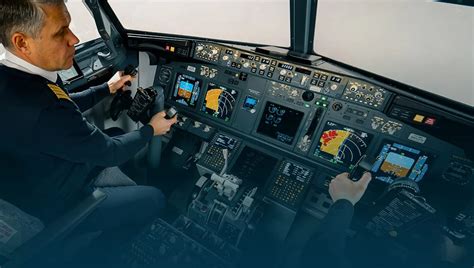
Although military pilots possess exceptional flying experience, transitioning into airline operations still requires meaningful adaptation.
Military aviation emphasizes aircraft handling, mission accomplishment, tactical decision-making, and operational flexibility.
Commercial aviation prioritizes procedural consistency.
Every airline flight operates within a framework of standardized operating procedures, FAA regulations, dispatch coordination, passenger service considerations, and extensive documentation requirements.
Former fighter pilots often experience the greatest adjustment.
Single-seat tactical aircraft emphasize individual workload management and aggressive aircraft performance, whereas commercial aircraft require extensive crew coordination and standardized cockpit communication.
Transport aircraft pilots generally experience a smoother transition because they already operate larger multi-crew aircraft following structured procedures similar to airline operations.
Regardless of background, every military pilot receives ATP certification training and aircraft-specific qualification before joining United’s active pilot roster.
Why United Recruits Pilots Before They Leave the Military
One of the smartest aspects of United’s hiring strategy is timing.
Instead of waiting until pilots separate from military service, United begins building relationships well in advance.
This provides multiple strategic advantages.
Military pilots can focus on completing their service obligations without worrying about post-military employment.
United gains access to experienced aviators before competitors can aggressively recruit them.
Long-term communication allows mentors to prepare incoming pilots for airline expectations months before training begins.
The approach effectively transforms recruitment into workforce planning rather than reactive hiring.
As pilot retirements continue accelerating across the industry, securing future employees years in advance creates valuable stability.
United Is Building Multiple Pilot Pipelines Simultaneously
Military hiring represents only one component of United’s broader recruitment strategy.
The airline also operates the United Aviate program, which supports civilian pilots progressing from flight schools through regional airline careers before eventually joining United.
Unlike military recruits, civilian pilots generally follow a much longer development timeline.
Typical progression includes:
- Private Pilot License
- Instrument Rating
- Commercial Pilot License
- Multi-engine qualification
- Flight instructor or commercial time-building
- Accumulating 1,500 flight hours
- Regional airline employment
- Captain upgrade
- Mainline airline application
This process frequently requires five to eight years before reaching a major airline cockpit.
Military pilots often bypass several of these intermediate career stages because they already possess substantial turbine experience.
Consequently, United can diversify recruitment by balancing long-term civilian development with immediate access to experienced military aviators.
Why Becoming an Airline Pilot Remains Difficult
Although airline salaries have risen dramatically during recent contract negotiations, entering the profession remains financially challenging for civilians.
Professional flight training in the United States commonly exceeds $100,000, creating significant financial barriers before pilots earn their first airline paycheck.
After obtaining commercial certificates, aspiring airline pilots must continue building experience until reaching the FAA’s 1,500-hour airline eligibility requirement.
This often involves years of lower-paying flying jobs, including:
- Flight instruction
- Banner towing
- Aerial survey
- Skydiving operations
- Charter flying
Only after reaching airline minimums can many pilots begin careers at regional airlines, where additional experience is accumulated before major airline opportunities emerge.
Military pilots avoid much of this pathway because government-funded training and years of operational flying satisfy much of the experience airlines seek.
Why Airlines Compete Aggressively for Military Aviators
United is not alone in recognizing the value of military pilots.
Major competitors, including American Airlines and Delta Air Lines, operate their own military transition initiatives.
However, United’s approach has attracted attention because of its sustained hiring cadence and willingness to engage pilots well before separation.
Competition for experienced aviators has intensified as thousands of senior airline pilots approach mandatory retirement age.
Replacing retiring captains requires years of planning.
Unlike purchasing aircraft, experienced pilots cannot be manufactured quickly.
Every airline therefore competes for a relatively limited pool of highly qualified candidates, making military recruitment increasingly important.
The Economic Value of Experienced Military Pilots
Pilot training represents one of an airline’s largest long-term investments.
Each new hire requires classroom instruction, simulator sessions, aircraft qualification, recurrent evaluations, instructor resources, hotel accommodations, and salary during training.
When trainees struggle or fail qualification events, airlines incur significant financial costs.
Former military pilots generally arrive with:
- Extensive turbine experience
- Strong cockpit discipline
- High procedural compliance
- Crew coordination expertise
- Excellent decision-making skills
These qualities frequently contribute to smoother training progression and higher qualification success rates.
Reducing training risk ultimately saves airlines both time and money while accelerating fleet expansion.
Supporting United Next Through Human Capital
United Next has often been described in terms of aircraft orders, premium seating, airport investments, and customer experience improvements.
Yet none of those initiatives can succeed without sufficient flight crews.
Every additional route requires qualified captains and first officers.
Every new Boeing 787 entering international service needs multiple crews operating rotating schedules throughout the year.
By quietly hiring approximately one military pilot class every week since 2024, United has been strengthening the workforce necessary to support every other aspect of its corporate strategy.
Rather than reacting to pilot shortages after they emerge, the airline has invested years in advance to build sustainable staffing capacity.
Why United’s Military Hiring Strategy May Shape the Future of Airline Recruitment
United Airlines’ military hiring initiative demonstrates how modern airline recruitment is evolving beyond traditional application processes.
Instead of relying solely on experienced regional airline pilots, the carrier has established multiple parallel pipelines that secure talent at different stages of professional development.
Military pilots receive career certainty before leaving active duty.
United gains disciplined, experienced aviators with exceptional operational backgrounds.
Passengers ultimately benefit from a stable workforce supporting one of the world’s fastest-growing airline fleets.
With nearly 600 military pilots already hired, additional recruitment continuing every week, and hundreds more pilots expected before 2027, United’s strategy illustrates that future airline growth depends just as much on investing in people as investing in aircraft.
As global airlines compete for increasingly scarce flight crews over the coming decade, United’s early commitment to military recruitment may prove to be one of the company’s most strategically significant decisions since launching the United Next expansion plan.