Since 2008, the United Kingdom’s Ministry of Defence (MoD) has paid approximately £6 billion to AirTanker Ltd to lease and operate the Royal Air Force’s (RAF) Voyager tanker fleet, a reality that underscores the sheer financial weight of sustaining the UK’s sole aerial refuelling capability. The revelation, confirmed by Defence Minister Lord Coaker in response to a parliamentary question from Labour peer Lord Sikka, has reignited scrutiny over the financial architecture of Britain’s strategic air mobility.
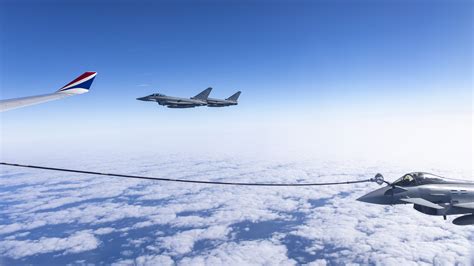
The Anatomy of the £6 Billion Deal
The leasing arrangement, formalised under a Private Finance Initiative (PFI) contract with AirTanker Ltd, represents one of the MoD’s most significant long-term financial commitments. Since the agreement’s inception in 2008, the UK government has paid an average of £353 million per year to ensure continuous operation and availability of the Voyager fleet. This expenditure covers not only aircraft availability but also maintenance, personnel training, and operational support.
The PFI model, once widely adopted across various UK governmental departments, was designed to leverage private sector investment in public infrastructure. In the case of the RAF Voyager programme, this meant entrusting a consortium of aerospace and defence heavyweights—including Airbus, Rolls-Royce plc, Babcock International, Cobham, Thales Group, and Equitix Investment Management—with both the ownership and operational stewardship of Britain’s tanker fleet.
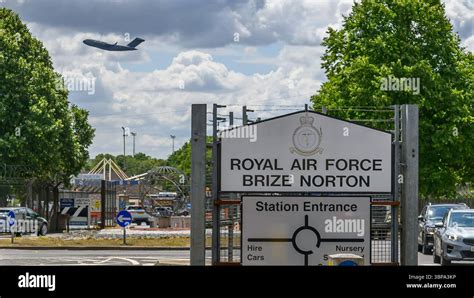
AirTanker Holdings Limited, responsible for owning the aircraft, and AirTanker Services Limited, tasked with day-to-day operation, are both headquartered at RAF Brize Norton, Oxfordshire. This dual-company structure enables AirTanker not only to provide dedicated military services but also to lease surplus aircraft for commercial charters, creating a complex but potentially lucrative operational model.
The Fleet: Backbone of RAF Aerial Refuelling
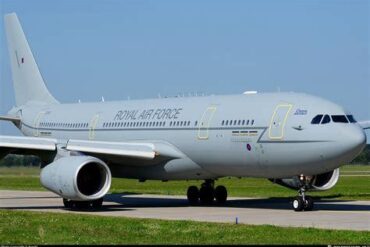
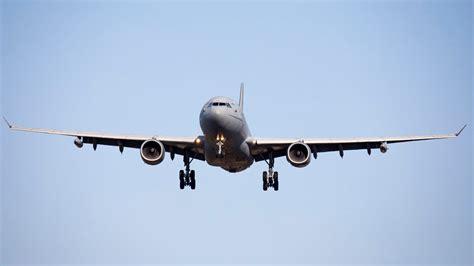
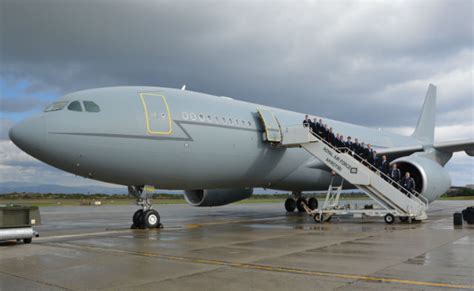
At the heart of the PFI lies a fleet of 14 Airbus A330 Multi Role Tanker Transport (MRTT) aircraft, known as Voyager within RAF service. These aircraft are adapted from the civilian A330-243 airliner and converted to military specifications by Airbus Defence and Space.
Each Voyager boasts a maximum fuel capacity of 111 tonnes and employs a hose-and-drogue refuelling system, critical for sustaining British and allied fast jets over extended operations. The aircraft’s dual-role capacity further enhances its strategic value; when not performing refuelling missions, Voyagers can transport up to 291 passengers or be rapidly reconfigured for aeromedical evacuation, including provision for intensive care support.
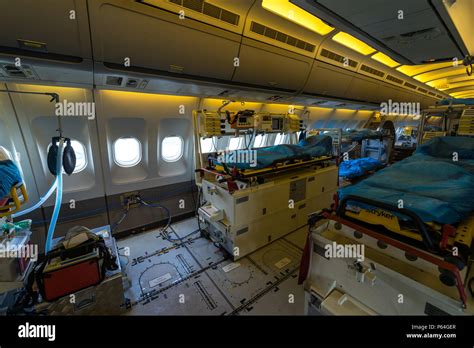
All RAF Voyagers are based at RAF Brize Norton, operating under AirTanker’s Air Operator Certificate (AOC) with the callsign “TOWLINE”. This arrangement allows for flexibility between military tasking and civilian operations, particularly useful during peacetime or periods of low operational demand.
Commercial Charter and Dual-Use Strategy
One of the most distinctive features of the Voyager programme is AirTanker’s ability to lease out unused aircraft for commercial operations. While 11 of the 14 Voyagers remain under direct MoD lease, AirTanker can utilise the remaining aircraft for civilian charters or sub-leasing agreements, thus offsetting some operational costs through commercial revenue.
This strategy, while financially pragmatic, has occasionally sparked debate. Critics argue that deploying military-configured aircraft for civilian use, even when converted back to a commercial cabin layout, raises concerns over strategic readiness. Nonetheless, the dual-use model reflects the UK government’s attempt to optimise asset utilisation within the constraints of the PFI contract.
Evaluating the PFI: Cost-Effective or Strategic Liability?
The MoD maintains that the PFI arrangement offers a “cost-effective, scalable solution” for aerial refuelling and strategic airlift. The fixed-term concession was intended to secure modern tanker aircraft without the immediate capital expenditure associated with direct procurement. Additionally, private sector management was expected to drive efficiency and flexibility.
Yet, the cumulative cost—now standing at approximately £6 billion over 17 years—raises legitimate questions about long-term value for money. Unlike traditional military procurement, where outright purchase can lead to eventual savings post-amortisation, PFIs involve continuous payments over decades. As defence analyst George Allison notes, the Voyager lease exemplifies the financial paradox of PFI deals: lower upfront costs coupled with significant long-term expenditure.
Adding complexity, the MoD remains reliant on AirTanker for core operational readiness, potentially reducing sovereign control over critical strategic capabilities. In emergencies or wartime scenarios, the ability to repurpose commercially leased aircraft back to military service could present operational challenges.
Strategic Role of RAF Voyager Tankers
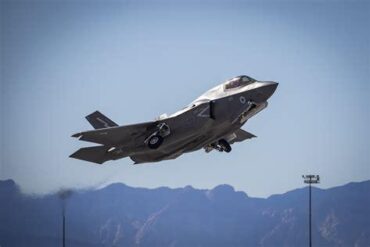
Beyond financial debates, the RAF Voyager fleet plays an irreplaceable role in British air power. Serving as the sole aerial refuelling capability of the Royal Air Force, Voyagers support fast jet deployments, long-range strike missions, and multinational operations. They have been central to supporting Typhoon and F-35 deployments in NATO missions and overseas engagements.
Moreover, Voyagers facilitate global strategic airlift, moving personnel, equipment, and humanitarian aid during crises. Their capacity to perform aeromedical evacuation makes them invaluable in both military and humanitarian operations.
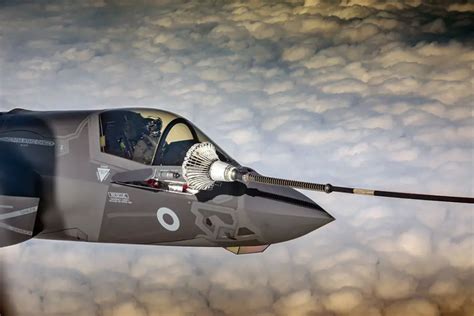
The fleet’s contribution to UK Defence Strategy cannot be overstated. Despite concerns over costs and ownership, the Voyagers effectively enable British air assets to project power globally, reinforce NATO allies, and sustain overseas commitments.
Political and Public Scrutiny Grows
As public awareness of the £6 billion expenditure grows, so too does political scrutiny. Lord Sikka’s parliamentary question reflects broader concerns within defence circles about the cost-effectiveness of PFI deals across the UK’s military infrastructure. With defence budgets under strain and global threats intensifying, reliance on privately operated strategic assets may face increasing resistance.
Calls for future strategic enablers—whether tankers, transport aircraft, or surveillance platforms—to be procured via direct acquisition rather than private finance are gaining traction. The experience of the Voyager fleet serves as a case study in balancing financial pragmatism with operational sovereignty.
Conclusion: A Critical Yet Expensive Backbone
In summary, the RAF Voyager aerial refuelling and transport fleet is both a strategic enabler and a costly investment. The £6 billion paid to AirTanker Ltd since 2008 underscores the heavy financial toll of sustaining essential air mobility capabilities via a PFI model. While the Voyagers continue to underpin Britain’s global air power projection, the cost-benefit equation of such long-term leasing arrangements remains under fierce debate within political and defence circles.
The RAF’s dependence on these aircraft for operations ranging from routine exercises to combat deployments ensures that, despite controversy, the Voyager fleet will remain indispensable to British defence strategy for years to come.