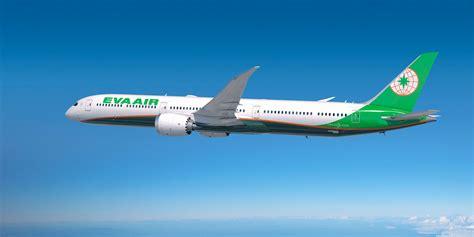
EVA Air, one of Taiwan’s premier international carriers, has greenlit a nearly $2 billion investment to strengthen and modernize its long-haul fleet. This strategic move signals a bold step in EVA Air’s global ambitions, with the purchase of four Boeing 787-9 Dreamliners and the renewal of leases for four Boeing 777-300ER aircraft, aiming to expand its network reach, enhance passenger comfort, and secure long-term operational efficiency.
Strategic Expansion with Boeing 787-9 Dreamliners
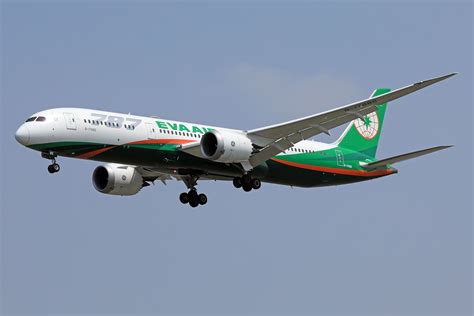
The airline’s board has officially approved the acquisition of four additional Boeing 787-9 Dreamliners, a long-range, fuel-efficient widebody jet that has rapidly become a staple in modern fleets. These aircraft will play a pivotal role in bolstering EVA Air’s intercontinental connectivity, especially as the carrier leverages its central hub at Taiwan Taoyuan International Airport (TPE) to function as a premium transit point between North America and Southeast Asia.
EVA Air’s strategy revolves around funneling traffic from its North American gateways—including Los Angeles (LAX), San Francisco (SFO), New York (JFK), Chicago (ORD), and Toronto (YYZ)—through Taipei, and onward to destinations in Southeast Asia such as Bangkok, Singapore, and Jakarta. The 787-9’s range, fuel economy, and modern cabin design make it the ideal aircraft to serve these high-density, long-haul routes with increased efficiency and passenger appeal.
Renewed Trust in the Boeing 777-300ER Workhorse
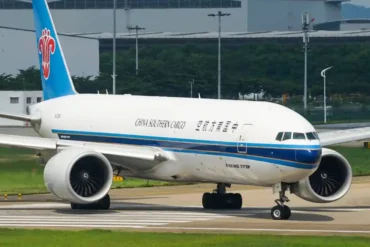
Alongside its new order, EVA Air has also extended lease agreements on four Boeing 777-300ER aircraft already operating within its fleet. Known for their reliability and high passenger capacity, the 777-300ERs have been instrumental in maintaining EVA Air’s premium international services, especially on flagship routes between Asia and the United States.
While the 777-300ER is gradually being phased out by newer aircraft like the Airbus A350 and Boeing 787, EVA Air’s decision to renew its lease commitments reflects both operational prudence and continued demand on high-traffic routes. This extension ensures continuity in service quality while the airline prepares for a more sustainable, next-generation fleet.
$152 Million Cabin Upgrade Initiative
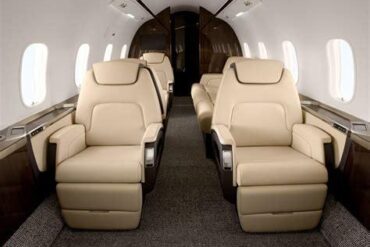
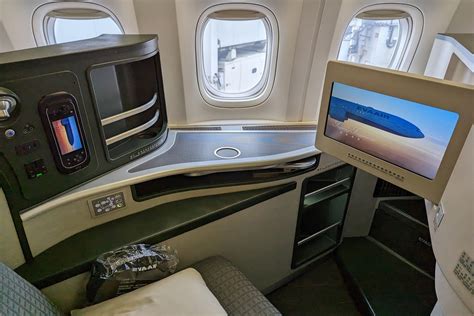
In tandem with the fleet renewal and lease extension, EVA Air has committed $152 million to upgrade the interiors of six Boeing 777-300ER aircraft, bringing the total number of retrofitted 777s to 20. The retrofit project will commence in 2026 and focus heavily on enhancing the passenger experience, with particular emphasis on:
- Installing new-generation lie-flat business class seats for premium travelers
- Upgrading inflight entertainment systems with high-resolution displays and broader content choices
- Refined cabin aesthetics and comfort improvements across all classes
These upgrades are aimed at reinforcing EVA Air’s image as a top-tier airline for long-haul travel, especially among business travelers and luxury-conscious passengers.
Meeting Growing Demand on Transpacific Routes
Taiwan’s positioning as a strategic transit hub continues to drive demand for high-capacity, long-range air travel. With Taipei’s growing prominence as a transit gateway, especially for passengers connecting between North America and Asia-Pacific, EVA Air is responding to both competitive pressure and market opportunity.
The surge in travel demand is not exclusive to EVA Air. Rival Taiwanese carriers China Airlines and Starlux Airlines have also expanded aggressively into U.S. markets, launching routes to cities like Phoenix, and enhancing services to Los Angeles, San Francisco, and Seattle. The increased competition in this arena underlines the urgency and strategic importance of EVA Air’s investment in modern, fuel-efficient aircraft and enhanced onboard services.
Fleet Overview and Renewal Strategy
EVA Air’s current fleet, as per ch-aviation, comprises 89 active aircraft, including the Airbus A321-200, A330-300, Boeing 777-300ER, 787-9, and 787-10 for passenger services, and the Boeing 777F for cargo operations. The airline also operates UNI Air, a regional subsidiary handling domestic and cross-strait routes.
The airline’s ongoing fleet renewal program includes more than 50 aircraft on order, reflecting its long-term vision to remain competitive and environmentally responsible. These include:
- 18 Airbus A321neo (to replace aging A321-200s)
- 24 Airbus A350-1000 (to eventually replace 777-300ERs)
- 5 Boeing 787-9 (expanding and replacing A330-300s)
- 5 Boeing 787-10 (to grow capacity on mid- to long-haul routes)
Additionally, three Boeing 777-300ERs have been converted to freighter specifications (SF), reflecting EVA Air’s growing emphasis on air cargo logistics, a crucial component of its Evergreen Group affiliation.
Deep Roots in Taiwanese Aviation
EVA Air, established in 1988 as Taiwan’s first private international airline, has played a critical role in shaping the island’s global aviation presence. The airline launched its first commercial flights in 1991, serving major Asian hubs including Bangkok, Seoul, Singapore, and Kuala Lumpur.
Now a full-fledged Star Alliance member, EVA Air operates international services across Asia, Australia, Europe, and North America, without engaging in domestic flights. Headquartered at Taoyuan International Airport, the airline remains a key component of Taiwan’s aviation and logistics industry, functioning under the larger umbrella of the Evergreen Group. This group encompasses cargo, catering, ground handling, and engineering divisions, providing operational resilience and vertical integration.
Passenger-Centric Strategy in a Competitive Landscape
A standout element in EVA Air’s latest announcement is the laser focus on enhancing passenger experience. As global travel rebounds post-pandemic, airlines that offer a seamless, comfortable, and tech-forward cabin experience will dominate premium segments. EVA Air’s interior investment is clearly aimed at:
- Attracting corporate and premium leisure travelers with upgraded business class offerings
- Enhancing economy and premium economy cabins with improved seat ergonomics and ambient cabin lighting
- Future-proofing its entertainment systems to remain competitive against top-tier global carriers
This strategy is timely, especially as U.S. carriers and foreign competitors increase frequency and diversify routing to and from Taiwan. For EVA Air, customer retention and onboard brand loyalty will be pivotal in maintaining market share in the fiercely contested transpacific market.
A Vision for the Next Decade
EVA Air’s $2 billion investment marks more than just a fleet expansion—it signals a calculated vision for the next decade of air travel. With sustainability pressures, shifting passenger expectations, and complex geopolitics influencing route planning and fleet logistics, EVA Air is equipping itself with the aircraft, infrastructure, and onboard product necessary to remain agile and competitive.
The dual investment in new-generation aircraft and existing fleet upgrades positions EVA Air uniquely: not just as a connector between East and West, but as a preferred choice for high-value international travelers seeking reliability, comfort, and strategic routing.
The next few years will be critical in determining how EVA Air’s strategy plays out amid evolving market dynamics. But with this bold move, the airline has clearly signaled it intends to stay at the forefront of Asia-Pacific aviation leadership.