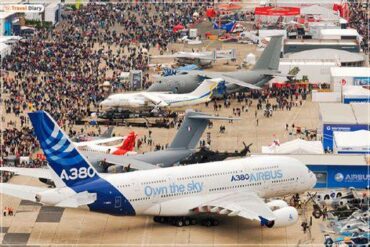
At the 2025 Paris Air Show, Turkish Airlines stands on the brink of finalizing a game-changing deal with Boeing that could redefine its operational capabilities and bolster its position in the global aviation market. The discussions have been somewhat delayed following the tragic crash of an Air India Boeing 787 on June 12, which understandably shifted focus and heightened concerns regarding aircraft safety and reliability. However, Turkish Airlines remains optimistic about concluding negotiations soon, as Chairman Ahmet Bolat confidently stated that the primary hurdles left to clear are centered around price negotiations and engine costs. This prospective order is vital for the airline’s ambitious growth trajectory, especially in light of the mounting challenges associated with aircraft deliveries from major manufacturers like Boeing and Airbus.
Strengthening the Fleet Through Strategic Lease Agreements
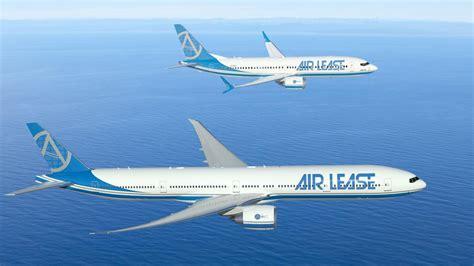
In tandem with its negotiations with Boeing, Turkish Airlines is actively pursuing a lease agreement for 14 narrowbody aircraft to further strengthen its fleet amid ongoing delivery delays. Recognizing the urgency to expand its operational capacity, the airline has turned to two prominent lessors, Carlyle and Avolon, to secure these essential aircraft. The leasing arrangement will encompass both Boeing 737 MAX and Airbus A320neo models, with deliveries anticipated in 2028. This strategic move is pivotal as it enables Turkish Airlines to maintain its impressive growth rate of 8%, even in the face of a challenging market environment characterized by a shortage of new aircraft.
Chairman Bolat emphasized the importance of these leasing agreements, stating that they are instrumental in ensuring that the airline’s fleet continues to expand despite delays in new aircraft deliveries. By proactively securing leases, Turkish Airlines is not only safeguarding its growth but also strategically positioning itself to meet the escalating demand for air travel in the region and beyond.
Promoting Cultural Tourism: A Broader Vision for Turkey
Looking beyond mere fleet expansion, Bolat articulated a broader strategy aimed at enhancing cultural tourism to Turkey. While the country is renowned for its picturesque beaches and luxurious resorts, Turkish Airlines is committed to attracting a more diverse group of tourists interested in exploring its rich cultural and historical heritage. Notably, despite strong interest from German and UK travelers, France has emerged as an underperforming market for Turkey, with only 1 million French tourists visiting compared to 6 million from Germany and 4.4 million from the UK. In a bid to alter this trend, Turkish Airlines plans to spotlight Turkey’s cultural landmarks and experiences, aiming to entice more French visitors to venture beyond the typical sun-soaked vacations.
This initiative aligns seamlessly with the airline’s overarching vision of diversifying its tourist base and promoting a more balanced appeal for international visitors. By showcasing Turkey’s wealth of cultural sites, Turkish Airlines is poised to enhance its brand presence and contribute significantly to the nation’s tourism sector.
Strengthening Ties in the Indian Market: The IndiGo Partnership
In addition to its efforts in cultural tourism, Turkish Airlines continues to fortify its partnership with IndiGo, one of India’s leading airlines. The collaboration, particularly focused on the wet lease of Boeing 777 aircraft, has proven beneficial for both parties. Although the lease agreement was initially set to expire, recent developments saw the Indian government grant a brief extension, allowing Turkish Airlines to maintain its operational footprint in this critical market. This partnership underscores Turkey’s commitment to establishing a significant presence in India, which is an integral part of its global strategy.
However, Bolat pointed out that Turkish Airlines currently operates flights to only two cities in India, indicating ample room for expansion in this lucrative market. The airline is diligently navigating regulatory frameworks while seeking to broaden its reach across India, capitalizing on the growing demand for international travel.
Looking Ahead: A Commitment to Sustainable Growth and Global Expansion
As Turkish Airlines forges ahead with its ambitious plans for fleet expansion, new aircraft orders, and cultural tourism initiatives, it remains steadfast in its commitment to sustainable growth. The proactive approach to leasing aircraft and negotiating new deals will ensure that the airline remains competitive in an ever-evolving global aviation landscape. Furthermore, the focus on cultural tourism resonates with the airline’s mission to promote Turkey’s rich heritage while attracting a more diverse group of travelers.
With an eye towards the future, Turkish Airlines is well-positioned to continue its ascent in the competitive airline industry. The combination of increased flight offerings, enhanced services, and a growing global presence is set to solidify its status as a leader in both aviation and international tourism.
Conclusion: Crafting a Strategic Growth Plan
In 2025, Turkish Airlines is making substantial strides in transforming its operational framework, from nearing the finalization of a crucial Boeing aircraft deal to securing new aircraft leases that will bolster its fleet. These strategic moves are a testament to the airline’s adaptability and resilience in navigating challenges associated with aircraft deliveries. Meanwhile, the push for cultural tourism expansion is poised to diversify Turkey’s visitor demographic, promoting a more holistic experience for international travelers.
With ambitious growth plans that prioritize sustainability and innovation, Turkish Airlines is not only shaping its own future but also playing a pivotal role in enhancing Turkey’s profile as a premier global travel destination. As the airline expands its fleet and explores new markets, its trajectory of success seems destined to continue well into the future.