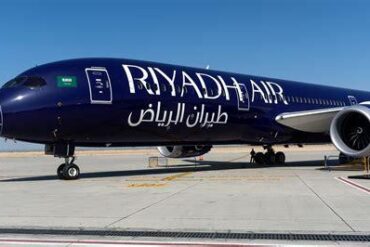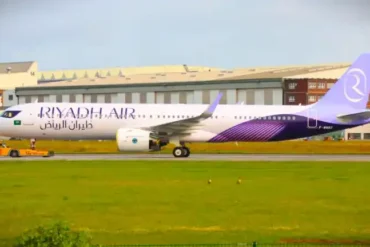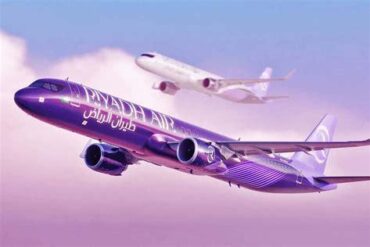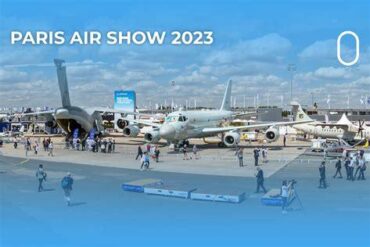
In a remarkable demonstration of ambition and strategic vision, Riyadh Air has made headlines by placing a monumental $10 billion order for 25 Airbus A350-1000 aircraft during the prestigious Paris Air Show. This bold maneuver is not merely an expansion of fleet capabilities; it signifies a seismic shift in the aviation landscape, positioning Saudi Arabia as a formidable player in the global air travel arena. With this order, Riyadh Air aims to redefine the dynamics of international travel and solidify its status as a leading carrier, all while aligning with the kingdom’s ambitious Vision 2030 initiative.
A Vision Realized: The Context Behind the Order
The backdrop of this historic order is deeply intertwined with Saudi Arabia’s Vision 2030, a transformative blueprint aimed at diversifying the economy and enhancing the nation’s stature on the world stage. Under this visionary plan, Riyadh Air is tasked with achieving a staggering 300 million annual air passengers by 2030. The acquisition of the A350-1000, renowned for its advanced technology and fuel efficiency, is pivotal in realizing this goal. The aircraft’s ultra-long range capabilities will enable Riyadh Air to launch non-stop services to key destinations across North America, Europe, and Asia, directly connecting Saudi Arabia to major global business and tourism hubs.
As Riyadh Air takes flight with its new fleet, the implications for the broader aviation sector are profound. This order not only underscores Saudi Arabia’s intentions to become a central hub for air travel but also challenges existing power dynamics within the region, particularly against established carriers from the United Arab Emirates and Qatar.
The Airbus A350-1000: A Technological Marvel
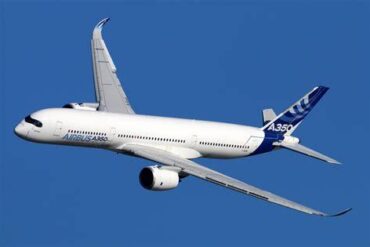
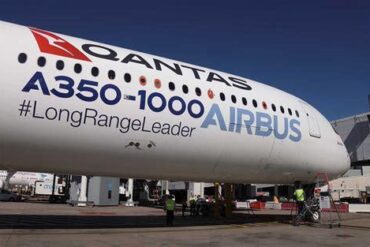
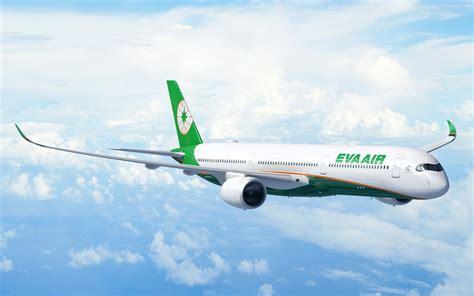
The Airbus A350-1000 is not just another aircraft; it represents the pinnacle of modern aviation engineering. With its longest range in commercial production and superior fuel economy, this aircraft is designed for efficiency and passenger comfort. Key specifications include:
- Maximum Range: Approximately 8,000 nautical miles (14,800 kilometers)
- Passenger Capacity: Configurable for up to 410 passengers in a two-class layout
- Sustainable Aviation Fuel Compatibility: Certified to operate with up to 50% SAF, with plans for full SAF compatibility by 2030
Riyadh Air’s strategy to incorporate the A350-1000 into its fleet reflects a commitment to sustainable aviation practices, catering to the increasing demand for environmentally responsible travel options. This focus on sustainability positions Riyadh Air favorably in a market where eco-consciousness is becoming increasingly important to travelers.
A New Competitive Landscape in the Middle East
With this substantial order, Riyadh Air is poised to disrupt the traditional dominance of established carriers in the Middle East. Airlines such as Emirates, Qatar Airways, and Etihad now face a significant new competitor equipped with cutting-edge technology and a fresh brand image. The introduction of the A350-1000 into the regional market signals that Riyadh Air is not merely looking to catch up; it is intent on leading the charge in premium long-haul travel.
This strategic entry into the market is likely to catalyze a wave of competitive responses among regional airlines. Expect heightened marketing efforts, expanded route networks, and innovative service offerings as rivals adapt to the challenge posed by Riyadh Air’s ambitious plans.
Economic Impacts Beyond Aviation
The ramifications of Riyadh Air’s $10 billion investment extend well beyond the aviation sector. The influx of new aircraft is expected to stimulate job creation and infrastructure development throughout Saudi Arabia. The nation’s airports, particularly King Khalid International Airport in Riyadh, are already undergoing significant upgrades to accommodate increased traffic, while a new mega-airport is under construction to further enhance the kingdom’s capacity as a global transit hub.
Moreover, the anticipated rise in long-haul connectivity will bolster the tourism sector, contributing to increased revenues and stronger international business ties. Cities like Jeddah, Medina, and Riyadh could emerge as key stopover points or final destinations for millions of travelers, reshaping the region’s hospitality landscape.
Airbus Strengthens Its Position in the Market
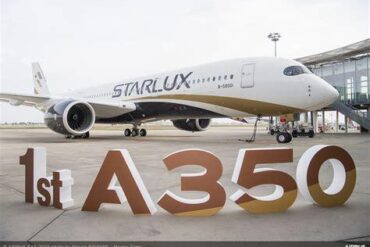
For Airbus, Riyadh Air’s substantial order comes at a critical juncture. Amid challenges faced by Boeing due to production delays and regulatory scrutiny, Airbus is gaining momentum, particularly with its A350 Family of aircraft, which has amassed over 1,390 orders globally. Currently, 657 A350 aircraft are in service, showcasing their reliability and operational efficiency.
Riyadh Air’s endorsement of the A350-1000 adds a prestigious feather to Airbus’s cap, reinforcing its growing market share in the Middle East—a region historically dominated by Boeing. This partnership not only signifies a vote of confidence in Airbus’s technological advancements but also reflects the shifting allegiances in the competitive landscape of commercial aviation.
The Future: Riyadh Air and the Evolution of Air Travel
The historic order placed by Riyadh Air is not just about fleet expansion; it marks the dawn of a new era in global aviation. It illustrates how national aviation strategies, when supported by robust financial backing and a clear vision, can rapidly alter the power dynamics within the industry. As air travel continues to rebound post-COVID, airlines are once again investing in future capacity, anticipating rising demand and long-term passenger growth.
However, Riyadh Air’s narrative is distinct. It embodies a reinvention of air travel, characterized by a focus on digital innovation, sustainability, and a commitment to service excellence. This airline is not merely aiming to participate in the evolving air travel landscape; it is set to be a catalyst for change.
As Riyadh Air embarks on this ambitious journey, the aviation industry watches closely. The ramifications of this deal extend far beyond the immediate implications for Riyadh Air and Airbus; they signal a recalibration of the global aviation map. The race for supremacy in the skies has intensified, and Saudi Arabia is firmly positioned at the forefront of this exciting evolution.