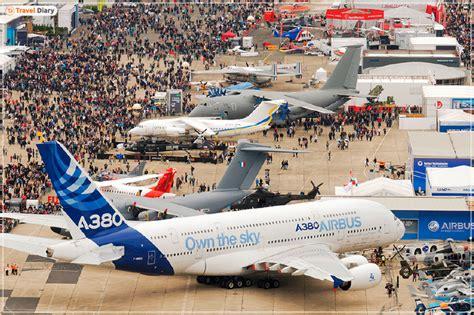
In a stunning shift that is reverberating across the global aerospace landscape, Boeing has taken decisive control of the skies with a staggering 303 gross aircraft orders in May 2025, the highest monthly total since December 2023. This sudden and forceful momentum comes just as the aviation world turns its attention to the Paris Air Show, setting the stage for a high-stakes battle between industry giants.
The American aerospace titan’s resurgence comes not merely as a blip in industry trends but as a strategic reshaping of global aviation dynamics. Boeing’s powerful May performance signals a revival not only of its commercial influence but also of broader confidence among international airlines, hungry for expansion amid a surging post-pandemic travel boom.
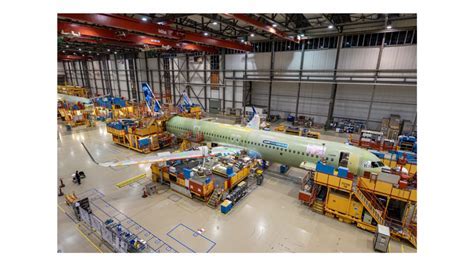
Boeing’s Aircraft Order Frenzy Marks a Historic Comeback
Boeing’s 512 net orders year-to-date, more than double Airbus’s 215, underscores a critical industry inflection point. While Airbus maintains its delivery lead (243 aircraft vs. Boeing’s 220), Boeing’s aggressive order volume suggests airlines are locking in future capacity with renewed urgency. This isn’t just a win in sales—it’s a statement of trust.
The surge is being driven by a perfect storm of airline confidence, passenger demand, and fleet modernization needs. From major U.S. carriers to fast-growing airlines in Asia and Latin America, buyers are gravitating toward Boeing’s aircraft families—particularly the 737 MAX and 787 Dreamliner—as they seek efficient, scalable jets to meet rising global demand.
FAA Oversight Didn’t Slow Boeing—It Strengthened It
Despite continued scrutiny from the Federal Aviation Administration (FAA) due to past production and safety issues, Boeing has delivered a clear message: it’s learning, adapting, and executing. In May, Boeing delivered 45 aircraft, mirroring April’s performance and nearly doubling its May 2023 output.
This consistency highlights Boeing’s operational resilience. Airline executives, often risk-averse and reputation-focused, wouldn’t place large orders unless they were convinced of Boeing’s manufacturing reliability. The FAA oversight appears to have catalyzed internal reforms, allowing Boeing to maintain a steady rhythm in the face of labor shortages and supply chain constraints.
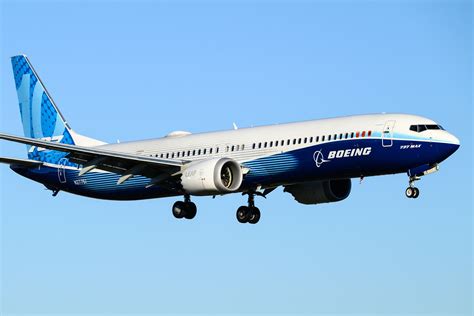
Paris Air Show: The Ultimate Test and Stage for Aviation’s Giants
Anticipation for the Paris Air Show at Le Bourget has reached a fever pitch. This biennial gathering isn’t just a trade show—it’s a global barometer for the health and direction of aviation. It’s here that billions in deals are signed, next-generation aircraft are unveiled, and rivals try to one-up each other in public displays of innovation and influence.
Boeing arrives with unprecedented tailwinds. Insiders expect major announcements including:
- New multilateral fleet agreements across the Middle East and Asia
- Unveilings of next-gen aircraft concepts focused on sustainability and long-haul efficiency
- Strategic partnerships with green aviation startups and hydrogen propulsion initiatives
Meanwhile, Airbus is reportedly preparing a countermove, potentially involving a blockbuster deal with Chinese airlines, estimated between 200 and 500 aircraft. If confirmed, it could dramatically shift the leaderboard and reassert Airbus’s dominance in emerging markets.
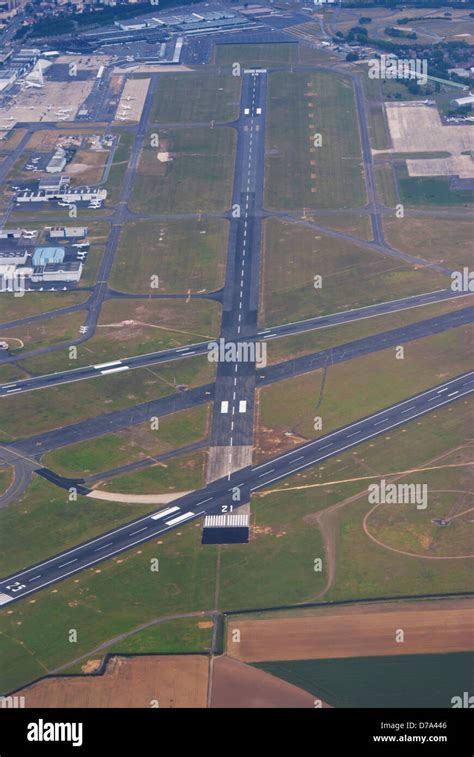
Orders Reflect Global Travel Rebound
This order surge isn’t occurring in a vacuum—it mirrors the booming global travel sector. Passenger numbers are climbing rapidly, and airlines are reactivating routes or launching new ones at an accelerated pace. With COVID-era travel restrictions mostly gone, pent-up demand is pushing airlines to prepare for years of growth.
Every new aircraft ordered represents a potential new route, new city pairing, or frequency upgrade. Secondary cities once underserved are now within reach of direct international service, thanks to new narrowbody jets with expanded range.
Destinations like Phuket, Cartagena, and Da Nang are already seeing new international flights, while infrastructure projects at airports in Turkey, Indonesia, and Brazil aim to handle the influx of new aircraft traffic.
Implications for the Broader Travel Economy
The ripple effects of Boeing’s May performance extend far beyond the aviation sector. More jets in the sky mean:
- Higher tourism inflows for countries heavily dependent on international travel
- More competitive airfare pricing, benefiting consumers and boosting travel frequency
- Increased demand for hospitality infrastructure, from hotels to car rentals to experiences
Travel agents and tour operators are poised to benefit immensely from new routes. Packages to new, exotic locales can be created rapidly, and digital marketing campaigns can be hyper-targeted thanks to clearer route data and booking windows. For hotel chains, new direct routes translate to higher occupancy forecasts and potential for market entry in untapped cities.
Boeing vs Airbus: The Battle Intensifies
While Boeing’s May dominance is evident, Airbus is no passive observer. Even as it posted zero new orders last month, its delivery edge and potential mega-deal with Chinese carriers could quickly rebalance the race. Airbus also continues to innovate, with its A321XLR gaining traction among airlines looking for long-haul capability in a single-aisle platform.
The narrowbody duel between the 737 MAX and A320neo families is still the center of gravity for the commercial aviation industry. Both models are critical for short- and medium-haul routes, and both face similar production pressures—from engine delays to labor shortages.
Yet Boeing’s regained traction in order volume suggests a shift in airline sentiment, especially from markets that are scaling up fast. Countries like India, Vietnam, Saudi Arabia, and Colombia are in aircraft acquisition phases that will shape global air travel for the next two decades.

The High-Stakes Strategy of Airline Fleet Planning
Aircraft orders are not mere transactions—they are multi-decade investments with complex planning layers. Airlines consider:
- Fuel efficiency and maintenance predictability
- Delivery timelines amid global supply constraints
- Crew training pipeline and commonality
- Geopolitical considerations tied to U.S. vs. EU manufacturing
Boeing’s success in navigating these variables in May points to a high-functioning commercial team that understands buyer psychology and regional demand trajectories.
For airport authorities, the surge means a need to accelerate infrastructure planning. Gate capacity, runway scheduling, and customs processing must evolve quickly to match future traffic. Smart airports that can handle high throughput efficiently will become the standard, not the exception.
What’s Next: The Summer of Deals and Momentum
As we enter the summer of 2025, aviation is once again front and center of global economic conversation. The Paris Air Show will serve not only as a forum for unveiling aircraft but as a theater of corporate strategy and international diplomacy. Boeing will aim to capitalize on its current momentum, while Airbus looks for its defining moment.
With the rest of the year still wide open, the race is far from over. But for now, Boeing’s May surge has redefined the industry scoreboard.
In the coming months, stakeholders across travel, hospitality, investment, and logistics should be tracking aviation developments closely. More aircraft orders signal a golden age of global travel in the making—and every destination, service provider, and passenger stands to benefit.