Understanding the True Private Jet Lease Cost
In the dynamic world of private aviation, leasing a private jet stands out as a compelling middle ground between the high-entry barriers of ownership and the pay-per-flight convenience of on-demand chartering. It offers unparalleled flexibility, luxury, and cost efficiency, particularly for individuals and businesses flying more than 50 hours annually but not enough to justify full ownership.
Unlike traditional air travel, leasing a private jet provides full-time access without the enormous upfront capital commitment. But the question remains: What does it actually cost to lease a private jet?
Types of Private Jet Lease Programs
Private jet leasing is not a one-size-fits-all solution. The structure and cost of a lease depend heavily on the lease type. The most common structures include:
Short-Term Leases
These are ideal for individuals needing temporary access, such as during peak travel seasons or extended business campaigns. Short-term leases can range from a few days to several months, and although more expensive on a daily basis, they offer unbeatable flexibility.
Long-Term Leases
Typically ranging from one to five years, long-term leases suit corporate clients and high-frequency flyers who require consistent availability. These arrangements often yield better hourly rates and allow for some customization of interiors and services.
Wet vs Dry Leases
A crucial distinction:
- Wet Leases include crew, maintenance, and insurance. Ideal for those lacking operational infrastructure.
- Dry Leases provide only the aircraft. Operators must source their own crew and maintenance support.
Comparing Leasing With Other Private Aviation Models
While leasing has gained popularity, it competes with several alternative models. Each caters to different usage levels and financial preferences.
Jet Cards
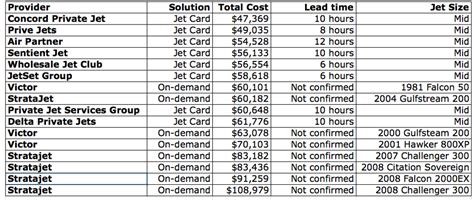
Jet cards, like those offered by Jettly, allow users to prepay for flight hours, starting around $35,000. These are excellent for flyers logging between 10 to 100 hours annually. No ownership or maintenance obligations apply.
Fractional Ownership
This model requires purchasing a share of an aircraft, usually with upfront costs from $300,000 and above. Although it offers some equity and tax benefits, it’s a high-capital, long-term commitment.
On-Demand Charter
Charter flights remain the most flexible, priced per trip. Hourly rates vary from $2,000 to $18,000 depending on aircraft and route. Ideal for occasional flyers but uneconomical for frequent travelers.
What Drives the Cost of Leasing a Private Jet?
Several variables influence the monthly and annual costs:
- Aircraft Type and Size: Larger, long-range jets command higher leases due to fuel capacity, cabin space, and technology.
- Lease Duration: Longer commitments generally reduce monthly rates.
- Flight Hours: Anticipated annual usage affects pricing tiers.
- Geographic Region: Availability and regional rates (e.g., North America vs Europe) cause pricing fluctuations.
- Service Level: Concierge services, catering, and ground logistics all play a role.
Fixed and Variable Cost Components
Breaking down the financial elements provides transparency:
Fixed Costs
- Monthly Lease Payment: Core aircraft rental cost.
- Crew Salaries: Included in wet leases; separate in dry.
- Insurance: Liability and hull coverage, often bundled.
Variable Costs
- Fuel Consumption: Typically billed hourly or per trip.
- Maintenance and Parts: Costs vary based on usage.
- Landing Fees: Vary by airport and country.
Additional Expenses
- Premium Catering
- In-flight Wi-Fi and connectivity
- International Overflight Charges
- Ground Transportation Coordination
Monthly Cost Ranges by Jet Category
A look at monthly lease estimates across different jet classes provides concrete benchmarks:
Light Jets ($100,000–$300,000/month)
Examples: Cessna Citation CJ3, Embraer Phenom 300
Suited for short-haul travel (1,500–2,000 miles) and small teams.
Midsize Jets ($150,000–$400,000/month)
Examples: Citation XLS+, Learjet 60
Balance of range and comfort. Ideal for national or short international hops.
Super Midsize Jets ($200,000–$500,000/month)
Examples: Gulfstream G280, Challenger 350
Larger cabins, 6+ hour range. Popular for transcontinental travel.
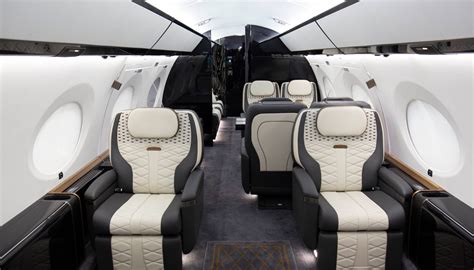
Large Cabin Jets ($400,000–$1,000,000+/month)
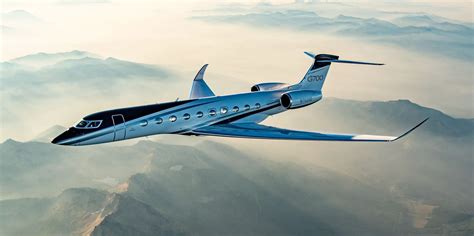
Examples: Gulfstream G650, Bombardier Global 7500
Long-range, full standing cabin, often equipped with bedrooms and showers.
Key Lease Providers and Program Highlights
Several industry leaders dominate the private jet leasing space with distinctive offerings:
Jettly
- Offers up to 150 flight hours annually
- Wide fleet diversity
- Transparent, on-demand pricing
NetJets
- Requires a three-year minimum commitment
- Includes 25 annual flight hours
- Extensive global reach
Flexjet
- Lease terms range from 30 to 60 months
- Red Label program with custom interiors
- Minimum usage: 50 hours per year
Others to Consider
- VistaJet: Known for long-range missions and global consistency
- Air Partner: Short-term, commitment-free options
How to Maximize Leasing Value
Strategic thinking enhances return on investment:
- Negotiate flight hour rollovers to avoid waste.
- Review lease clauses for early termination flexibility and crew coverage.
- Consider empty leg flights (pre-scheduled routes) for significant discounts.
- Ensure compliance with maintenance obligations to avoid penalties.
Financial and Tax Planning
Private jet leasing offers substantial tax advantages when structured appropriately:
- Lease payments, fuel, crew salaries, and maintenance are often tax-deductible for businesses.
- Under certain structures, depreciation benefits may apply.
- Leased aircraft must be reported as liabilities or assets, depending on agreement terms and jurisdiction.
Engaging a specialized aviation accountant ensures optimization of tax exposure and compliance.
Emerging Trends Shaping Private Jet Leasing
Sustainable Aviation
The growing demand for carbon neutrality is pushing lessors toward SAF (Sustainable Aviation Fuel) options, carbon offsets, and eco-certifications.
Technological Innovation
- Advanced AI-driven pricing models
- Enhanced connectivity suites (Starlink integration, global Wi-Fi)
- Real-time fleet monitoring for maintenance and logistics
Evolving Demographics
Post-pandemic, we observe:
- A surge in millennial and Gen Z entrepreneurs entering the market
- Shift towards flexible memberships and shorter leases
- Increased interest from emerging markets and family offices

Frequently Asked Questions
What is the average cost to lease a private jet for a year?
Annual lease costs vary based on aircraft type. A midsize jet typically costs $1.5 to $3 million annually, while large cabin jets may exceed $5 million per year.
How does the cost of leasing compare to owning a private jet?
Leasing reduces upfront capital, removes depreciation concerns, and offers greater operational flexibility. Ownership, though more capital-intensive, can be cost-efficient for those flying over 400 hours per year.
Are there hidden fees in private jet lease agreements?
Yes. While base pricing may appear straightforward, lessees should be aware of potential fuel surcharges, international overflight fees, crew overnight costs, and premium catering expenses.
Conclusion
Private jet leasing bridges the gap between ownership and ad hoc travel solutions, combining access to luxurious aircraft, predictable cost structures, and unmatched scheduling freedom. By understanding the key variables and provider offerings, high-net-worth individuals and corporations can make informed decisions that deliver both operational and financial value.
In today’s landscape of evolving air travel, leasing a private jet is more than a luxury—it’s a strategic asset.