Aircraft leasing is a well-known option in private aviation, widely used by both corporations and individual clients. To lease an aircraft, both the lessee and lessor must sign a formal agreement. This agreement outlines key responsibilities—like who handles aircraft operations and maintenance—and sets the duration of the lease.
To dive deeper into the topic, insights from David M. Hernandez and Edward K. Gross at Vedder Price, a global law firm focusing on business law, help explain how aircraft lease agreements work and how they can vary based on the type of lease involved.
The Two Most Common Types of Lease Structure
Traditional Ownership Structure Lease
Often called an operating lease, this structure begins when an individual or business purchases an aircraft and registers it under a separate legal entity—usually a limited liability company (LLC). That LLC then leases the aircraft to the intended operator, often the same buyer. This setup helps avoid classification as a “flight department company,” which the FAA prohibits.
The LLC, as the aircraft owner, might also sign an agreement with a management company. That company can then manage and even operate the aircraft for third-party commercial charters. Some owners choose not to go this route and instead hire their own pilots and maintenance crews.
There are several reasons for using a traditional ownership lease: tax benefits, privacy, and compliance with FAA rules. One key tax advantage is the “sale for resale” exemption. This allows the aircraft’s sales tax to be distributed over time through lease payments, instead of being paid all at once at purchase.
Additionally, some owners prefer not to have their business name listed on the FAA registry. By using an LLC, they can keep their identity more private. FAA regulations also restrict single-member entities from operating aircraft, so leasing the aircraft from a separate LLC helps meet legal requirements. This tactic helps avoid what’s known as the “flight department company trap.”
Financing Lease
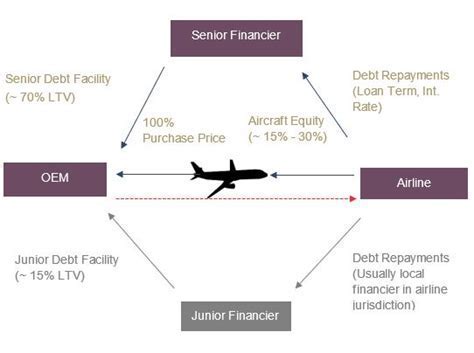
A financing lease functions similarly to a secured loan and is usually seen as a form of acquisition financing. In this structure, a financial institution purchases the aircraft and then leases it to a person or business. From an accounting point of view, this setup keeps the aircraft off the lessee’s balance sheet, as they don’t directly own it.
These types of leases are structured to meet tax, accounting, and legal standards. The lessor—often a bank or investor—takes on all market risks tied to the aircraft’s value at the end of the lease. Meanwhile, the lessee accepts responsibilities through “net” lease terms, which include operational duties and maintenance.
While banks used to dominate this space, their involvement has dropped significantly since the 2008 financial crisis. Now, companies interested in financing leases usually turn to equity investors instead.
The Different Types of Aircraft Lease Agreement
Lease agreements differ based on the leasing structure used.
Traditional Ownership Structure Lease
Most traditional ownership leases involve related parties, though that’s not always the case. When unrelated parties are involved, lessees must obtain pilot services from an independent provider.
FAA rules prohibit lessors from offering both the aircraft and pilot under a dry lease. Doing so creates a “wet lease,” which requires an Air Carrier Certificate. A time-sharing agreement under FAR Part 91.501 offers a limited workaround to this restriction.
Financing Lease
Financing leases are best compared to purchase loans. The lessor covers the full purchase cost, and the lessee pays reduced lease installments based on tax and residual value assumptions. This gives the lessee flexibility—they can buy the aircraft when the lease ends or even renew the lease.
In essence, a financing lease mimics a loan: as long as the lessee sticks to payments and other responsibilities, the lessor doesn’t interfere with aircraft usage. The primary distinction is that the lessor bears the market value risk once the lease ends.
Components of a Standard Aircraft Lease Agreement
Let’s explore the key elements usually found in aircraft lease agreements, starting with those in a traditional ownership lease.
Traditional Ownership Structure Lease
Banks or financial institutions rarely get involved in traditional leases unless both a traditional lease and a financing lease are being used. Under this model, FAA rules require the lessor and lessee to seek third-party pilot management.
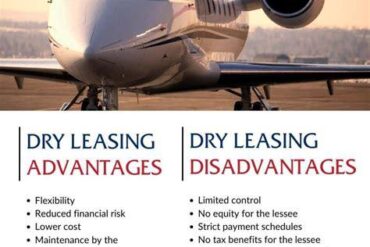
Leases without pilot services are called “dry leases.” In contrast, leases that include both aircraft and crew are considered “wet leases” and require FAA certification. Most traditional ownership leases fall under the dry lease category.
The FAA is serious about enforcing these rules. Any setup that indirectly forces a lessee to use specific pilots is seen as a disguised wet lease. These arrangements require certification and can result in penalties if not properly managed. For this reason, many lessors take extra steps to avoid regulatory issues and limit their liability.
As far as general terms go, an aircraft lease agreement under a traditional structure should clearly state which party holds operational control, who handles maintenance, who provides insurance, and who takes responsibility for the aircraft while it’s with the lessee. It must cover essential elements like default terms, choice of law, approved uses, return conditions, and limits on flight hours. If the lessee is an unrelated entity, the lessor should reserve inspection rights.
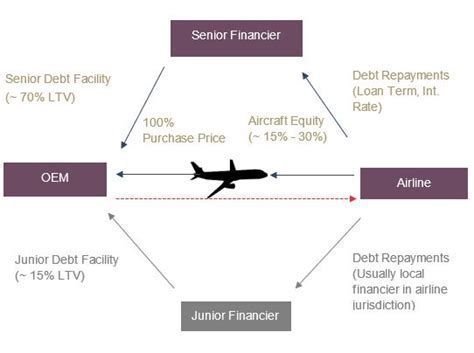
For financing leases, the lease agreement’s structure changes depending on whether the aircraft is new or pre-owned. When financing a new aircraft, the lessee must transfer their right to buy the aircraft from the OEM and may need to pass along progress payments under the purchase agreement. If the lessor covers those progress payments, they’ll pay the remaining amount to the OEM when the aircraft is delivered, then take title and lease it to the lessee.
In the case of a pre-owned aircraft, the process is mostly the same, except there’s usually less time and cost involved, and pre-delivery payments aren’t financed. When refinancing, the deal turns into a sale and leaseback — the lessor buys the aircraft from the lessee and leases it back, which requires a specific leaseback agreement. Once the purchase closes, the lessee takes possession under agreed terms, including rent, duration, and end-of-lease options.
Sometimes, the lessor will ask for extra support like a guarantor, cash deposit, or other collateral. The lessee is generally locked into the lease and obligated to make all payments, no matter what — often referred to as a “hell or high water” clause. These are usually net leases, meaning the lessee covers all costs tied to operating, maintaining, insuring, and registering the aircraft, including taxes.
To ensure safe and proper aircraft handling, these agreements include rules and limits. For instance, the lessee must protect the lessor from liability claims, state tax issues, and any loss of expected tax advantages. Even though the lease usually can’t be canceled, if the aircraft is totaled, the lessee must pay the lessor its agreed value. Some financing leases may allow for early termination and purchase, provided the lessor is made whole.
Bank lessors often include financial covenants, cross-defaults, and reporting duties like those found in typical credit deals. Once the lease ends, the lessee has to either return the aircraft under set conditions, buy it for at least its fair market value, or extend the lease at a market rental rate.
Drafting an Aircraft Lease Agreement
Traditional Ownership Structure Lease
The key to drafting this kind of lease is knowing what each party expects and defining who’s responsible for maintenance, insurance, and general care. There should be zero confusion about:
- Who performs the maintenance
- Who pays for service plans
- How the aircraft gets returned
- Termination details
- Required notices
Every aspect of usage, operation, and return needs to be clearly spelled out. Non-compliance or default terms should also be addressed, especially when unrelated parties are involved.
Financing Lease
This starts with due diligence by the lessor, focusing on the lessee, any guarantors, and the aircraft itself. Then, both parties develop a term sheet, which lays out the financing details and credit conditions. Lease documents are drafted to reflect this term sheet and any negotiated changes.
Next, the lessee’s ownership model and operational plans are baked into the final lease. After gathering all required paperwork and tying up loose ends, the lessor sends payment to the OEM or seller, and the lessee formally accepts the aircraft.
— Because of the costs involved and the chance of FAA, IRS, or insurance violations, it’s strongly advised to work with experts. Your team should include:
- A business aircraft finance lawyer
- A private aviation advisor
- A broker
- An OEM or other aircraft seller
- An insurance specialist
- A management or charter company
- A maintenance plan provider
- A tax-savvy aviation accountant
- FAA registration counsel or a title service provider
Key Aircraft Lease Agreement Considerations
Traditional Ownership Structure Lease
The main goal is to get the most use from the aircraft in a way that stays compliant with FAA, IRS, and insurance rules. To do this, it’s critical to know exactly how each party plans to use the plane and ensure those plans align with legal limits. It’s also smart to talk through daily operations with the aircraft’s management firm.
If financing is involved, all terms and usage rights must be approved by the lender. This is commonly referred to as securing “consent.”
Financing Lease
Terms and costs depend heavily on the plane’s value, its expected use and maintenance, the lessee’s credit rating, and their relationship with the lessor. Banks tend to be stricter and more risk-averse, while equity-based lessors are more flexible, though they often charge higher rates to reflect that risk.
Well-informed parties will usually iron out major terms early in the term sheet to avoid wasting time or money on deals that might not work out later.
Take a Thoughtful Approach Before Signing an Aircraft Lease
When it comes to leasing an aircraft, lessees need to look beyond just the numbers. It’s not just about monthly payments — they also have to think carefully about how the aircraft will be purchased, operated, managed, and how regulations and taxes will affect everything.
Full disclosure is key. Lessees must provide all relevant details that could impact the lessor’s decision to go ahead with the lease as laid out in the term sheet. Also, the proposed financing terms must be realistic and likely to get a thumbs-up from the lessor’s credit committee long before closing day.
Renegotiating an Aircraft Lease Agreement
Sometimes, it makes sense to revisit and revise an aircraft lease agreement. This can happen for various reasons — and the approach depends on the lease type.
Traditional Ownership Structure Lease
Whether a lease should be renegotiated depends on what both parties need and whether any problems have popped up. If the lease is between related parties (say, within the same company), there are usually fewer issues since everything’s managed internally.
But for leases involving unrelated parties, there can be complications like payment troubles, operational hiccups, or unclear default terms. That’s why every lease should include clear steps for making changes and resolving disputes.
Pro Tip: Be cautious of any group offering leases as a substitute for a charter flight. The FAA is cracking down hard on these illegal operations and has taken serious legal action over the last few years.
It’s essential that both sides fully understand the lease terms before signing. Never sign first and figure it out later. The lessee should always know what they’re responsible for, what happens if things go wrong, and how the lease can be ended if needed.
Financing Lease
Financing lease terms are driven by interest rates and aircraft market values. If those change significantly — or if the lessee decides they want to upgrade to a newer aircraft — there may be a good reason to renegotiate.
Non-bank lessors (like private companies) are often more open to restructuring deals. Banks, on the other hand, are more likely to agree if:
- The lessee is considered a valuable client, or
- The lease is being extended at a time when the aircraft’s real value is less than what was expected when the lease started.
Bottom line: Both parties should stay alert to opportunities when a revised lease could benefit them both.
What You Should Know Before Signing an Aircraft Lease
To speed up the process and avoid hiccups, lessees must be upfront about their expectations and respond quickly to any requests from the lessor.
In a financing lease, an existing relationship with the lessor (like a banking partnership) can make things move more smoothly — and may even lead to better terms. But favorable interest rates shouldn’t be the only focus.
Here’s what lessees should really prioritize:
- The lessor’s ability to close the deal on time
- How complex the documentation and closing steps will be
- The reliability of the lessor as a long-term partner
Great terms mean nothing if the deal can’t be closed properly or if delays cost time and money.
Work With Experienced Professionals
To hit every goal — whether it’s acquiring, financing, or managing a new or used aircraft — lessees should lean on aviation professionals with a proven track record. That includes:
- Aviation attorneys from respected firms like Vedder Price
- Private aviation consultants who understand the market and can guide the process
These experts help ensure the entire leasing journey runs smoothly from start to finish.