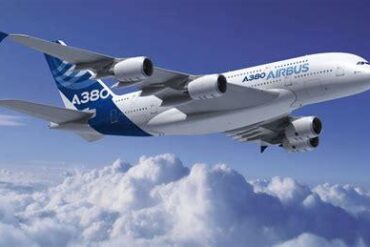
The Airbus A380 remains one of the most ambitious engineering projects in aviation history. As the largest passenger aircraft ever built, the double-deck giant was designed to transform long-haul travel by carrying more passengers between the world’s busiest international airports. When it entered commercial service with Singapore Airlines in 2007, the aircraft represented Airbus’ answer to the iconic Boeing 747 and a bold vision of the future of hub-to-hub air travel.
However, creating the world’s largest passenger jet came with enormous technical challenges. The A380 introduced advanced materials, a massive wing structure, and complex manufacturing processes that pushed aerospace engineering boundaries. While some issues emerged during development, one of the most serious post-entry service challenges appeared in 2012 when Airbus discovered cracks affecting parts of the aircraft’s wing structure.
The discovery immediately raised concerns because the A380’s wings were among the most critical and heavily engineered components ever installed on a commercial aircraft. Yet instead of grounding the entire fleet, Airbus worked with aviation regulators to identify the cause, develop a permanent modification, and keep the aircraft flying safely.
The Discovery of the Airbus A380 Wing Crack Issue in 2012
In early 2012, Airbus discovered wing rib foot cracks on several A380 aircraft during inspections. At the time, around 80 A380s were operating worldwide, and approximately half of the active fleet showed signs of the issue. Airlines including Emirates, Singapore Airlines, and Air France reported affected aircraft, prompting a global investigation into the cause.
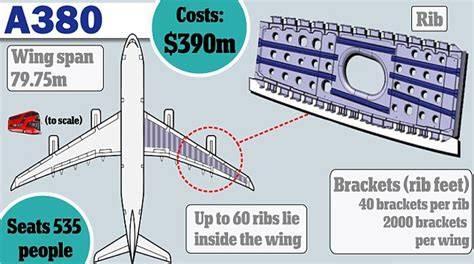
The affected component was located inside the wing and known as the wing rib foot. These structural elements connect internal wing ribs with the aircraft’s outer wing panels, helping transfer loads throughout the wing structure. Although the cracks were not an immediate threat requiring emergency fleet-wide grounding, regulators considered the issue significant because any unchecked structural deterioration could potentially affect long-term wing integrity.
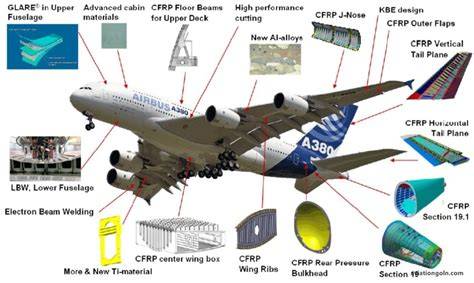
The investigation revealed that the problem was caused by the interaction between two different materials used in the wing assembly. Airbus had selected carbon composite brackets because composite materials offered weight savings compared with traditional metal components. These brackets connected with aluminum alloy wing rib feet, creating a mixed-material structure.
The combination of aluminum and carbon composite introduced complex stress conditions. Differences in material behavior, combined with stresses created during manufacturing, contributed to the formation of cracks over time. Engineers determined that the issue was not caused by a fundamental weakness in the A380 wing design but rather by the interaction between specific components.
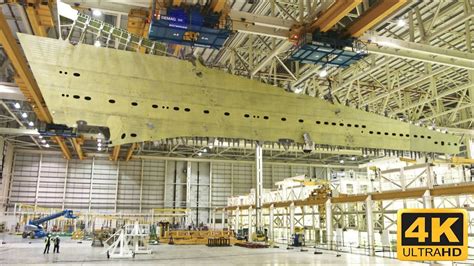
The discovery was particularly important because the A380 featured the largest wings ever installed on a passenger aircraft. With a wingspan of approximately 262 feet (80 meters) and a maximum takeoff weight exceeding 575 tonnes, the aircraft required extremely strong structures capable of handling enormous aerodynamic forces.
Why Airbus Used Composite Materials on the A380 Wing
The original design decision behind the composite brackets was based on efficiency. Airbus engineers were focused on reducing the enormous weight of the A380 while maintaining strength and durability. Every kilogram saved on an aircraft of this size could improve fuel efficiency, payload capability, and operating economics.
The A380’s wing represented a major achievement in aerospace engineering. The aircraft was designed with advanced materials, including carbon fiber reinforced plastics, to reduce weight while maintaining structural performance. Composite materials were already becoming increasingly common in commercial aviation because they offered excellent strength-to-weight ratios.
By using carbon composite brackets in the wing structure, Airbus saved approximately 660 pounds (299 kilograms) per wing. For an aircraft weighing hundreds of tonnes, this reduction was valuable.
However, the weight advantage came with additional engineering complexity. Aluminum and carbon composites respond differently to temperature changes, mechanical loads, and long-term fatigue cycles. While both materials were individually reliable, combining them in a highly stressed aircraft structure required careful analysis.
The A380 program demonstrated the challenges of introducing new technologies on an unprecedented scale. The aircraft was not simply a larger passenger jet; it represented a completely new category of commercial aircraft. Every major component had to withstand forces beyond anything previous Airbus aircraft had experienced.
How Airbus Developed the Permanent A380 Wing Crack Solution
After identifying the cause of the cracking, Airbus began developing a permanent fix. The solution involved redesigning the wing rib foot assembly by replacing the carbon composite brackets with traditional aluminum components.
This approach reduced the complexity of the material interaction and eliminated the conditions that contributed to crack formation. Instead of continuing with a lightweight but more complicated mixed-material design, Airbus selected a proven solution already used successfully on other aircraft programs.
The redesigned structure was introduced later in 2012. Airbus worked closely with the European Aviation Safety Agency (EASA) to create a modification plan that allowed airlines to continue operating their aircraft while repairs were completed.
Rather than ordering an immediate grounding of all A380 aircraft, EASA issued an airworthiness directive requiring inspections and corrective actions. This regulatory approach balanced safety requirements with operational realities. Airlines could continue flying aircraft that passed inspection while Airbus prepared the permanent modification.
The retrofit program reportedly cost Airbus around $330 million and covered approximately 120 aircraft. The modification was applied to aircraft already in service and incorporated into new production aircraft.
From 2014 onward, newly manufactured A380s left Airbus facilities with the updated wing structure installed as standard equipment. The solution effectively ended the original wing rib foot cracking concern and demonstrated Airbus’ ability to manage a major structural issue without disrupting global A380 operations.
Why the A380 Fleet Was Not Grounded During the Crisis
A common misconception is that any structural crack automatically leads to an aircraft grounding. In reality, aviation regulators evaluate each issue based on risk, severity, detection methods, and available corrective measures.
In the A380 case, inspections showed that the cracks developed gradually and could be identified before they became a critical safety concern. The aircraft could continue operating under controlled conditions while Airbus and regulators implemented the solution.
This approach reflected modern aviation safety practices. Aircraft manufacturers and regulators frequently use inspection programs, operational limitations, and scheduled maintenance procedures to manage technical problems.
Grounding an entire fleet is generally reserved for situations where there is an immediate and unacceptable safety risk. Since Airbus had identified the cause and developed inspection procedures, regulators determined that continued operation with monitoring was appropriate.
The decision also prevented major disruption for airlines. At the time, the A380 was operated on some of the world’s busiest international routes. A fleet-wide grounding would have affected thousands of passengers and created significant operational challenges for carriers.
Additional Airbus A380 Wing Crack Inspections Over the Years
Although Airbus successfully solved the 2012 wing rib foot problem, the A380 has continued to receive additional structural inspections throughout its service life. These later findings involved different areas of the wing and were unrelated to the original wing rib foot issue.
In 2019, Airbus identified small cracks near the outer rear wing spar on several early-production A380 aircraft. Around 25 aircraft required inspections, including jets operated by major airlines such as Emirates, Qantas, Lufthansa, Air France, and Singapore Airlines.
Regulators described these findings as relatively minor cracking. The inspections and any required repairs could generally be completed during scheduled heavy maintenance visits, limiting disruption to airline operations.
Over time, EASA expanded inspection requirements as engineers collected additional operational data. By 2024, inspection programs covered more areas of the A380 wing, including sections of the outer front spar, inner front spar, and outer rear spar.
A key factor discovered during later investigations was the relationship between aircraft storage periods and crack development. Aircraft that remained parked for extended periods required additional attention because long-term storage conditions could influence structural behavior.
The Latest A380 Wing Spar Inspections and Safety Measures
The A380 wing inspection story continued into the 2020s as regulators monitored the aging fleet. New inspection requirements focused on the aircraft’s wing mid-spars, important structural components located inside the wing box.
Recent directives required additional checks on selected aircraft operated by airlines including Emirates and Qantas. These inspections followed reviews of previous maintenance findings that suggested certain cracks could affect structural strength if left undetected.
However, these actions represent normal aircraft lifecycle management rather than evidence of a design failure. Large commercial aircraft undergo continuous monitoring throughout their service lives, and regulators regularly update inspection requirements as fleets age.
The A380 is expected to remain in service for decades with major operators because of its unique passenger capacity and strong customer appeal. Continued inspections allow airlines and regulators to maintain the aircraft’s safety while maximizing its operational lifespan.
The Airbus A380 Survived Its Biggest Engineering Challenges
The A380 faced numerous obstacles throughout its history. During development, Airbus struggled with production delays, wiring problems, and cost overruns. After entering service, the aircraft encountered additional technical challenges, including the 2012 wing rib foot cracking issue.
Yet the response to the wing problem demonstrated the strength of modern aviation safety systems. Airbus did not ignore the issue, and regulators did not simply ground the fleet without investigation. Instead, engineers analyzed the failure mechanism, redesigned the affected components, certified the modification, and introduced the solution across the fleet.
The repair also highlighted an important lesson in aerospace engineering: innovation often involves balancing performance improvements with long-term reliability. The composite brackets provided valuable weight savings, but the aluminum replacement offered a simpler and more durable solution.
Despite the challenges, the A380 remains one of aviation’s most recognizable aircraft. Airlines such as Emirates, Singapore Airlines, British Airways, Qantas, and others continue operating the aircraft on major international routes.
How Airbus Successfully Protected the Future of the A380
The A380 wing crack issue could have become a major crisis for Airbus. Instead, it became an example of effective engineering problem-solving and aviation risk management.
By identifying the cause quickly, cooperating with regulators, and introducing a permanent structural modification, Airbus prevented a fleet-wide grounding while maintaining passenger safety.
The A380 program ultimately ended production in 2021 because changing airline economics favored smaller, more efficient twin-engine aircraft. However, the aircraft continues to hold a special place in commercial aviation.
The solution to the 2012 wing crack problem remains one of the most important examples of how aircraft manufacturers handle complex structural challenges. Airbus showed that even the largest passenger aircraft in history could be safely maintained through careful engineering, rigorous inspections, and continuous improvement.