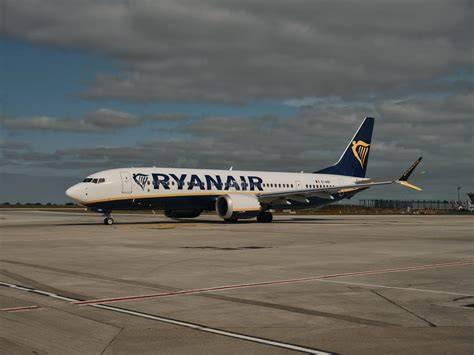
London Gatwick Airport could face significant operational disruption this summer after refuelling workers employed by Menzies Aviation threatened industrial action over a pay dispute. The potential strike could affect nine airlines, including Ryanair, Wizz Air, Air China, China Southern, Malta Air, Turkish Airlines, airBaltic, SkyAlps and Air Peace, with thousands of passengers potentially impacted every day if aircraft are unable to receive fuel services.
The workers involved are part of the Menzies Aviation team operating under the Shell fuel contract at Gatwick Airport, one of Europe’s busiest aviation hubs. Represented by Unite the Union, employees are seeking improved pay conditions and have rejected the company’s previous offer, raising concerns that industrial action could disrupt one of the busiest periods of the year for UK air travel.
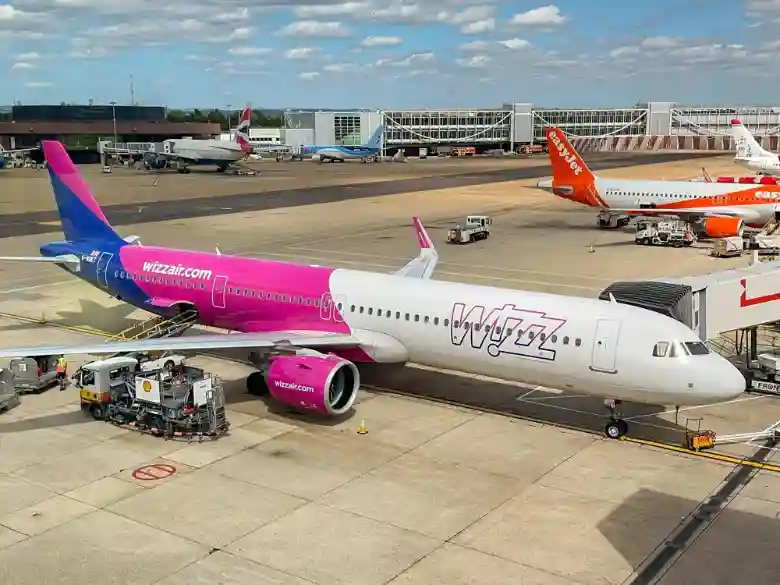
Gatwick Refuelling Strike Threat Linked to Pay Dispute
The central issue behind the dispute is a demand for a 4.5% pay increase and changes to overtime payments. According to Unite, workers employed on the Shell contract currently receive an overtime rate of time and one-third, while other Menzies employees at Gatwick receive time and a half.
Workers argue that the difference creates unfair conditions within the same company, particularly as Menzies has reported strong financial results. Unite has highlighted that the aviation services company recorded global revenues exceeding $3 billion last year, while Shell has also reported billions in profits.
The union claims that employees have repeatedly rejected a previous 3.5% pay offer because they believe it does not reflect the company’s financial performance or the demands placed on airport fuel workers. The dispute has intensified after accusations that Menzies attempted to pressure employees into accepting the same offer without meaningful changes.
Unite general secretary Sharon Graham said the company has the ability to improve workers’ pay and conditions, arguing that employees responsible for critical airport operations should receive a fair agreement. The union has also warned that it will continue supporting workers if negotiations fail.
Nine Airlines Could Be Affected by Potential Grounding Disruption
If the strike goes ahead, airlines relying on the affected refuelling services could experience delays, cancellations, or aircraft groundings at Gatwick. While airlines operate independently from airport fuel providers, aircraft cannot depart without sufficient fuel, making refuelling operations one of the most essential parts of airport infrastructure.
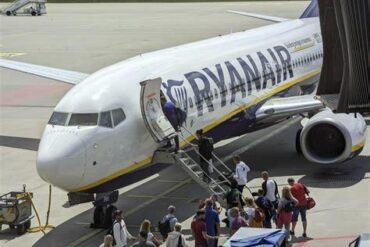
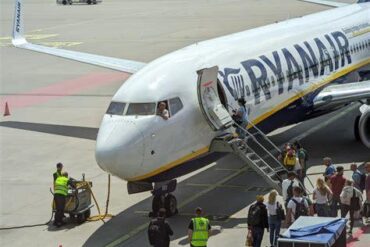
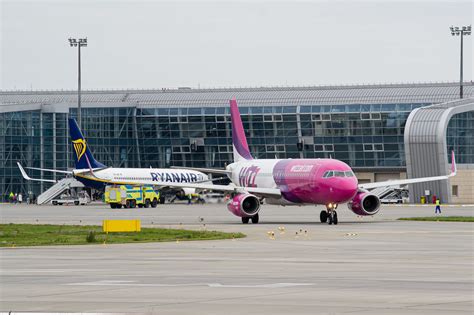
The affected carriers represent a wide range of international and low-cost operators. Ryanair and Wizz Air, two of Europe’s largest budget airlines, operate extensive networks from Gatwick and carry significant passenger volumes during the summer travel season. International airlines including Turkish Airlines, Air China and China Southern could also face challenges if fuel services are disrupted.
Together, the affected airlines could carry as many as 8,000 passengers per day through Gatwick, creating the possibility of widespread travel disruption if aircraft schedules cannot operate normally.
Strike Action Could Begin During Peak Summer Travel Season
The timing of the dispute has raised concerns because Gatwick enters one of its busiest operating periods during the summer months. The strike ballot is scheduled to close on Tuesday, August 11, and industrial action could begin shortly afterward if workers vote in favour.
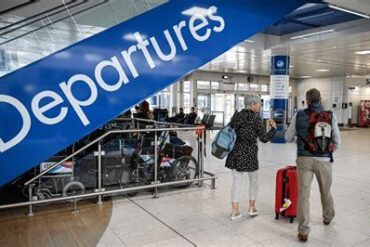
A disruption during this period could create major challenges for passengers travelling on holiday, as Gatwick handles hundreds of daily departures and arrivals during peak demand. The airport can accommodate up to 900 aircraft movements combined per day during busy periods, with daily departures often reaching between 400 and 450 flights.
Unite regional officer Ben Davis warned that passengers could see their summer travel plans affected if negotiations fail. He urged Menzies to return with what the union considers a reasonable offer and avoid actions that could lead to aircraft remaining on the ground.
London Gatwick Airport has confirmed that it is aware of the proposed strike action and said discussions between the involved parties are continuing. The airport has encouraged both sides to find a resolution and prevent disruption to passengers and airlines.
Why Gatwick Is Particularly Vulnerable to Aviation Disruptions
Gatwick plays a crucial role in the UK aviation network, serving as the country’s second-busiest airport after London Heathrow. Located approximately 30 miles south of central London, the airport serves millions of passengers every year and provides connections to destinations across Europe, North America, Asia and beyond.
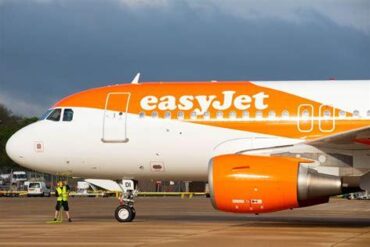
The airport is a major base for easyJet and also supports operations from airlines including British Airways, Jet2, TUI Airways and Wizz Air UK. Gatwick currently serves hundreds of routes, with dozens of airlines operating scheduled and seasonal services.
Because Gatwick operates with a single runway, operational disruptions can quickly create wider effects. The airport’s runway capacity allows up to 55 aircraft movements per hour, meaning even small interruptions in essential ground services can create delays that spread throughout the daily schedule.
Fuel operations are especially critical because airlines have limited flexibility when dealing with refuelling delays. Unlike some other ground services, aircraft cannot simply depart later without consequences, as fuel availability directly determines whether a flight can operate.
Airlines and Passengers Await Outcome of Negotiations
For now, airlines and travellers are waiting to see whether Menzies and Unite can reach an agreement before industrial action begins. A negotiated settlement would prevent another disruption during a summer already affected by wider aviation challenges, including capacity pressures and increased passenger demand.
Menzies has not yet issued a detailed public response regarding the dispute. However, with thousands of passengers potentially affected and Gatwick operating near full capacity during peak periods, pressure is increasing on both sides to find a solution.
The outcome of the negotiations will determine whether Gatwick experiences another major summer travel disruption or whether the airport can maintain normal operations throughout one of the busiest seasons in the aviation calendar.