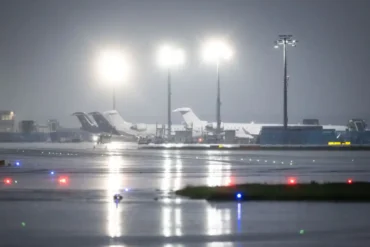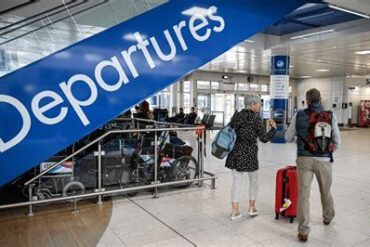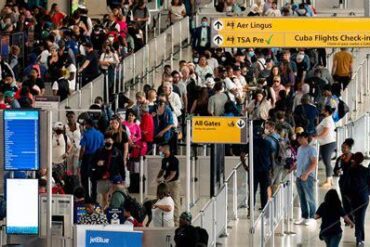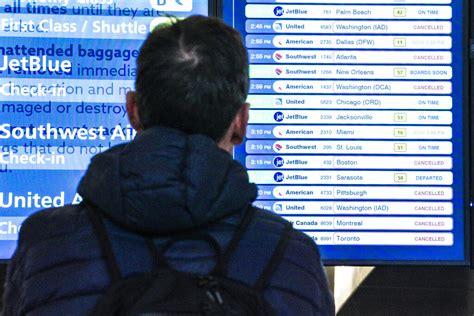
A brutal wave of severe storms has paralyzed aviation infrastructure across Asia, wreaking havoc on flight schedules from India to Japan, and crippling some of the region’s most critical aviation hubs. More than 5,000 flights were delayed or canceled in the last 24 hours alone, leaving thousands of passengers stranded and prompting significant disruptions to airline operations.
Among the hardest-hit carriers were Singapore Airlines, Air China, ANA (All Nippon Airways), Japan Airlines (JAL), Korean Air, Qantas, and Air New Zealand, all of which were forced to either abort takeoffs or reroute flights due to dangerous weather conditions that continue to challenge aviation logistics in one of the busiest summer travel seasons in years.
Unrelenting Storms Slam Aviation Across Asia
The impact has been continent-wide. Torrential rains, gale-force winds, and dense fog choked off visibility at major international airports from Beijing to Delhi. Air traffic control struggled to handle the volume, especially as peak travel times coincided with the worst of the weather. These storms, many linked to intensified summer monsoon systems, showcase the vulnerability of regional air infrastructure to the growing force of climate-driven weather events.
Airport-by-Airport Breakdown of Disruption Severity
Beijing Capital International Airport (PEK)
253 delays, 8 cancellations
Beijing saw overwhelming congestion as Air China alone logged over 150 delays, mostly due to fog and severe ramp congestion. Ground handling crews reported extreme difficulty managing aircraft turnaround.
Tokyo Haneda International Airport (HND)
488 delays, 2 cancellations
Both ANA and Japan Airlines faced massive delays, with nearly half of their schedules running late. Cloud cover and a backup on taxiways slowed operations drastically.
Incheon International Airport (ICN)
556 delays, 0 cancellations
South Korea’s busiest airport became a bottleneck as Korean Air and Jeju Air accumulated more than 190 combined delays. Surprisingly, no cancellations were reported despite the massive slowdown.
Shanghai Pudong International Airport (PVG)
405 delays, 4 cancellations
Eastern China suffered under intense atmospheric instability. China Eastern and Shanghai Airlines were most impacted, especially during midday operations.
Singapore Changi Airport (SIN)
196 delays, 2 cancellations
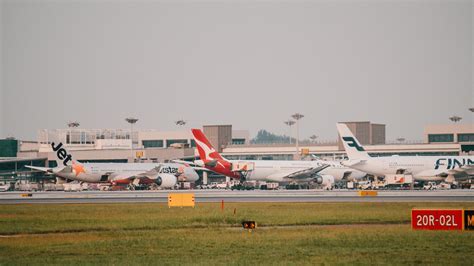
Despite being one of the most efficient hubs in Asia, Changi could not avoid disruption. Singapore Airlines reported 33 delays, and regional operators like Scoot saw widespread schedule disruptions due to low clouds and gate backlogs.
Suvarnabhumi Bangkok International Airport (BKK)
178 delays, 9 cancellations
Heavy morning showers crippled early departures. Thai Airways, Korean Air, and VietJet Air reported ongoing delays that persisted into the evening.
Kuala Lumpur International Airport (KUL)
364 delays, 0 cancellations
KUL faced operational congestion throughout the day. AirAsia and Malindo Air bore the brunt with over 260 delayed flights, mainly due to tropical instability and overcapacity on runways.
Dubai International Airport (DXB)
365 delays, 13 cancellations
Although not in the storm’s direct path, Dubai felt the ripple effects. FlyDubai saw 147 delays, Emirates 112, due to airspace saturation and connecting flight delays from affected Asian airports.
Indira Gandhi International Airport (DEL)
218 delays, 3 cancellations
Delhi’s airport, despite manageable weather, suffered from air traffic saturation and logistic slowdowns, especially during afternoon and late-night slots. Air India and IndiGo were most impacted.
Jakarta Soekarno-Hatta International Airport (CGK)
427 delays, 12 cancellations
One of Southeast Asia’s worst-hit airports, CGK’s flight gridlock was attributed to a combination of storms and high demand, with Batik Air registering 87 delays alone.

Airlines Struggle to Adapt in Real-Time
Leading airlines across the Asia-Pacific region have activated contingency plans and issued travel advisories. However, in many cases, crew shortages, gate availability issues, and airport infrastructure limits have worsened the situation.
- Singapore Airlines rerouted regional flights and activated partner code-sharing fallback options.
- Korean Air focused on keeping domestic and short-haul flights operating despite intense delays.
- Qantas and Air New Zealand issued customer care waivers and offered rescheduling options without penalties.
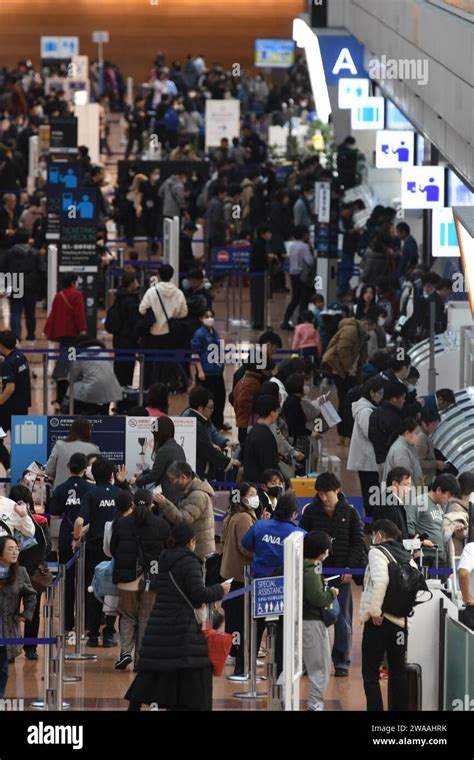
Still, for many passengers, the ground reality was grim. At Tokyo Haneda, long lines of waiting travelers curled around terminals as flight boards turned red. In Shanghai, airport authorities advised passengers not to travel unless absolutely necessary.
Climate Volatility: A Growing Risk for Aviation
This week’s events have cast a glaring spotlight on the fragile relationship between climate and aviation. Weather-related disruptions are no longer anomalies—they are increasingly routine.
Recent studies from international aviation regulators have warned that Asia’s exposure to monsoons, typhoons, and high-heat conditions makes it one of the most vulnerable continents for flight disruptions. Experts note that more frequent thunderstorm clusters are beginning to overlap with peak travel periods, a worrying trend.
Passengers Left in Limbo: Calls for Better Notification Systems
One of the most criticized aspects of the current disruption was poor passenger communication. Travelers at airports from Manila to Mumbai reported either receiving no updates or delayed messages hours after their scheduled departure.
Despite widespread airline app adoption, inconsistent update protocols and technical delays in data feeds caused widespread confusion. Many called for a unified alert system across Asian carriers and airports.
The Data Behind the Chaos
Here’s a snapshot of major airlines and their respective disruption figures:
- Air China: 150+ delays across multiple hubs.
- ANA: 137 delays at Tokyo Haneda alone.
- Singapore Airlines: 33 delays at Changi.
- Korean Air: Over 120 delays at Incheon.
- Qantas: Affected at both Haneda and Dubai.
- Air New Zealand: Impacted through connecting hubs, especially in Singapore and Hong Kong.
These figures don’t include domino delays where one disrupted leg impacted three or four subsequent routes.
What’s Next: Recovery or More Mayhem?
With forecasts suggesting continued unstable weather in China, Japan, and parts of South Asia, the next 72 hours may remain turbulent. Airlines are revising flight rosters in real-time, relying on adaptive dispatch strategies, reserve aircraft, and improved coordination between ATC zones.
Travelers are urged to:
- Check flight statuses frequently using official airline apps or airport websites.
- Allow extra time at airports.
- Prepare for delays by packing essentials in carry-on bags.
- Contact airlines proactively to explore rescheduling or voucher compensation.
Final Thoughts: The Need for Resilient Aviation Infrastructure
The scenes unfolding across Asia paint a clear picture: modern aviation, while more interconnected than ever, is deeply susceptible to environmental volatility. Airport authorities, regulators, and airlines must treat weather resilience as a core strategic priority—not just an operational inconvenience.
In an era when climate change collides with global travel, adaptability is no longer optional. For both airlines and passengers, being prepared isn’t just a smart move—it’s now essential for survival in the skies.