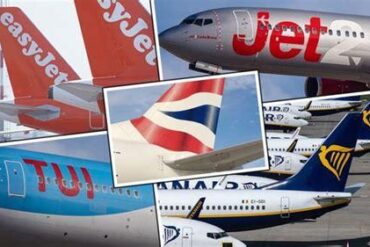
Italy is bracing for widespread aviation disruption as a coordinated nationwide strike involving major airlines and airport personnel is scheduled for Thursday, July 10, 2025. With EasyJet, Ryanair, Wizz Air, British Airways, and TUI all participating, the effects are expected to ripple across airports throughout Italy, impacting thousands of passengers and potentially grounding hundreds of flights.
The strike, organized by various labor unions representing airline staff and airport ground personnel, is expected to cause massive delays and cancellations, especially for those flying in or out of Italy during unprotected time slots.
What’s Fueling the Strike: Labor Unrest Hits Critical Mass
The July 10 strike emerges as the result of escalating tensions between airline employees and management, largely revolving around working conditions, pay disputes, and insufficient staffing levels. Over recent years, labor unrest in the European aviation sector has intensified, but this coordinated effort marks a unique moment where five major carriers have synchronized their protest efforts, amplifying the disruption.
This nationwide protest will see the involvement of pilots, cabin crew, and ground handling teams, all of whom are vital to the operational efficiency of airlines and airports alike. The alignment of these workforce groups across multiple carriers has dramatically elevated the level of expected disturbance, particularly on domestic routes and short-haul international connections.
Major Airlines Taking Part and Their Projected Disruptions
Each of the five participating airlines will be impacted differently, but all are expected to suffer significant operational strain. Here’s a detailed look at what passengers can expect:
EasyJet
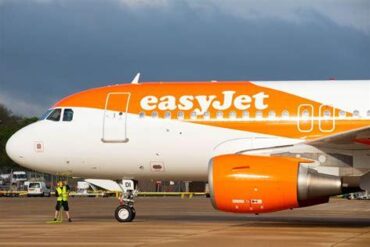
EasyJet, which maintains a heavy presence in Italy, especially on domestic and intra-European routes, is preparing for widespread cancellations. With both pilots and cabin crew likely to join the strike, passengers can expect long queues, communication delays, and very limited rebooking options. The airline’s operations in Milan, Venice, and Naples are expected to be hit hardest.
Ryanair
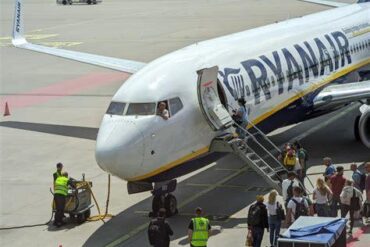
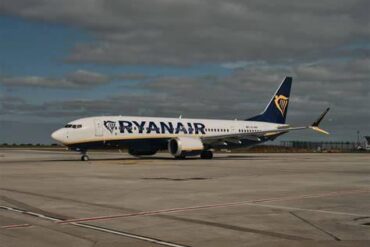
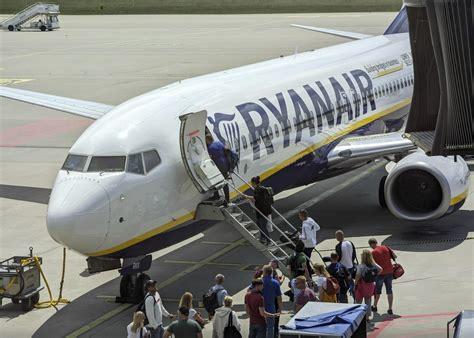
As the largest airline operating within Italy, Ryanair is particularly vulnerable. Its network of low-cost routes, which spans nearly every major Italian city, will face severe disruption. The scale of its operations makes rescheduling difficult, especially when compounded by striking ground handlers and overworked replacement crews.
Wizz Air
Wizz Air, while slightly smaller in footprint, will not be spared. Its strategy of targeting secondary airports like Bari and Catania means it often lacks the redundancy larger carriers possess. The airline has already issued travel advisories urging passengers to check flight status frequently and arrive earlier than usual due to likely congestion.
British Airways
British Airways, with its flagship UK-Italy routes, expects delays mainly on services to and from Rome, Milan, and Venice. Although some flights during protected hours (6 AM to 9 AM and 6 PM to 9 PM) may operate, delays are still possible due to airport staff shortages and backlog from earlier flight interruptions.
TUI Airways
TUI is heavily reliant on the summer leisure season, with many of its flights ferrying vacationers to Mediterranean beach destinations. The timing of the strike could not be worse. Families heading to or from Italian hotspots like Sardinia or Sicily may see their holiday plans collapse without warning.
Italian Airports on the Front Lines of the Strike
The logistical chaos is expected to be especially concentrated at Italy’s busiest air travel hubs. Here’s how some of the key airports will be affected:
Milan Linate and Milan Malpensa
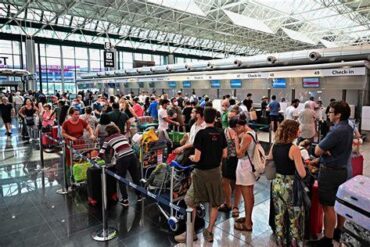
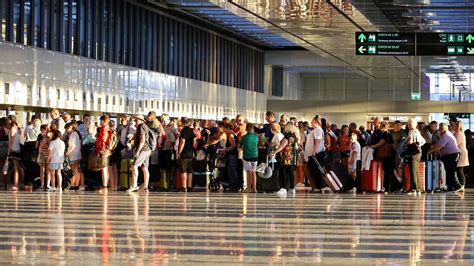
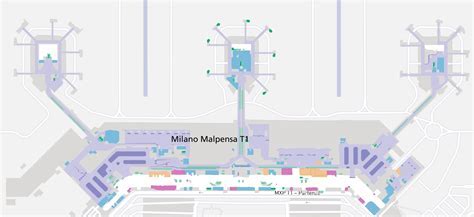
As two of Italy’s most critical gateways, Linate and Malpensa are expected to experience paralyzing delays. Both airports serve as hubs for EasyJet and Ryanair, and any labor shortage will result in bottlenecks at security checkpoints, baggage claims, and boarding gates.
Venice Marco Polo
Venice’s Marco Polo Airport is already under pressure during summer travel months. With the strike hitting its peak just as tourism surges, the situation could quickly deteriorate. Ground crews here play a vital role in handling British Airways and Wizz Air flights, and their absence may ground significant portions of the daily schedule.
Cagliari Elmas
In Sardinia, Cagliari Elmas Airport’s limited personnel resources make it highly susceptible to strike effects. With TUI flights to and from the UK and Germany scheduled on July 10, passengers may face hours-long waits, especially during non-protected flight hours.
Naples Capodichino
Naples Airport is likely to be engulfed in chaos as passenger throughput peaks and worker participation in the strike undermines core operations. Ryanair, Wizz Air, and EasyJet all maintain strong connections here, making the airport a key chokepoint.
Palermo Falcone Borsellino (July 11 Strike)
Adding to the disruption, Palermo’s airport will face its own separate strike on July 11, which will likely compound already frayed passenger experiences. Travellers flying to or from Sicily will need to monitor updates closely, especially if traveling across both days.
Understanding Safe Flight Hours: A Limited Window
According to Italian labor law, a “protected window” ensures that flights between 6:00–9:00 AM and 6:00–9:00 PM must proceed, barring extraordinary circumstances. These hours provide passengers with some level of assurance; however, even these flights may encounter delays due to indirect effects like aircraft repositioning problems or missing connecting crews.
Flights scheduled outside these safe windows will be most at risk of being canceled or significantly delayed. Airlines may attempt to reschedule services within these slots, but with demand already sky-high, availability will be limited.
Passenger Preparedness: What You Must Do Now
For passengers planning to travel on July 10, the margin for error is slim. Here are several proactive measures travelers should immediately take:
Confirm Flight Status
Reach out directly to your airline via its website, mobile app, or customer service hotline. Most carriers will provide real-time updates and may even offer free rebooking options for flights affected by the strike.
Monitor Airport Notices
Italy’s major airports are expected to post regular bulletins about ongoing delays, cancellations, and queue conditions. Bookmark the airport’s official page and sign up for flight alerts if available.
Know Your Rights Under EU Law
If your flight is delayed for over three hours, or canceled without notice, EU Regulation 261/2004 entitles you to compensation and/or reimbursement, unless the airline proves it took all reasonable measures to avoid the impact. Labor strikes often blur that line, so pursue your rights aggressively if the airline is vague.
Consider Travel Insurance
A comprehensive travel insurance policy that explicitly covers strike-related disruption can prove invaluable. Many basic plans exclude labor strikes, so it’s critical to review the fine print.
A Glimpse Into Broader Turbulence for European Aviation
The July 10 strike offers more than just a logistical headache — it reflects deep systemic tensions in the European aviation industry. With rising inflation, chronic staffing shortages, and an intense rebound in post-pandemic travel demand, employees across the sector are increasingly pressing for change.
From the viewpoint of global tourism, this localized Italian strike is a clear example of cascading disruptions. Tourists bound for Rome, Florence, Venice, or the Amalfi Coast may have to abandon tightly scheduled itineraries. Tour operators, hotels, and local businesses will feel the impact too, particularly as Italy remains one of the top summer destinations in Europe.
Final Thoughts: Navigating Travel Amid the Storm
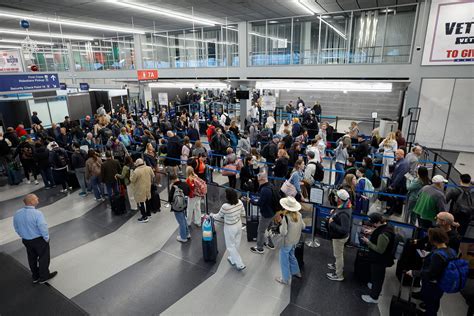
While strikes are a known risk in European air travel, the breadth and coordination of the July 10 event mark it as a standout disruption. With multiple airlines and airports engaged simultaneously, passengers should anticipate a near-total breakdown of schedule reliability across Italy for at least a 24-hour period.
Success in navigating this turmoil will depend on staying informed, acting quickly, and maintaining flexibility. Travelers who have not yet booked should consider alternate dates or routes that bypass Italy entirely. For those already scheduled, the path forward includes vigilant monitoring, asserting legal rights, and adjusting plans with resilience.
The skies over Italy may clear quickly after the strike ends, but the episode serves as a stark reminder of just how fragile air travel remains when human labor, stretched thin and stressed, demands accountability.