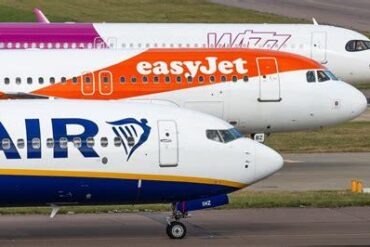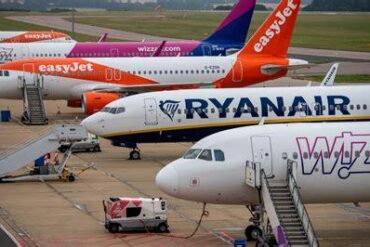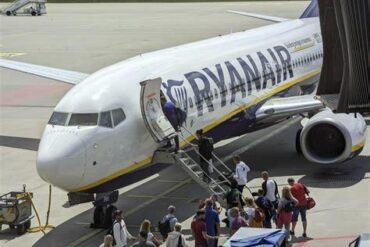
The European Union is on the brink of introducing sweeping reforms that could dramatically alter how budget airlines like Ryanair, easyJet, and Wizz Air handle carry-on baggage on routes between the UK and popular EU destinations such as Spain and Greece. At the heart of this regulatory overhaul is a proposal mandating uniform rules for carry-on luggage size and fee structures, designed to eliminate confusion, surprise charges, and consumer frustration.
Currently, low-cost carriers operate with vastly different baggage policies, often to the bewilderment of travelers navigating their way through Europe’s fragmented aviation market. This variation has led to growing public backlash, consumer rights violations, and hefty fines, most notably in Spain, which fined five airlines £150 million in 2023 for what it called “abusive practices” involving hand luggage fees.
The Chaos of Current Carry-On Policies
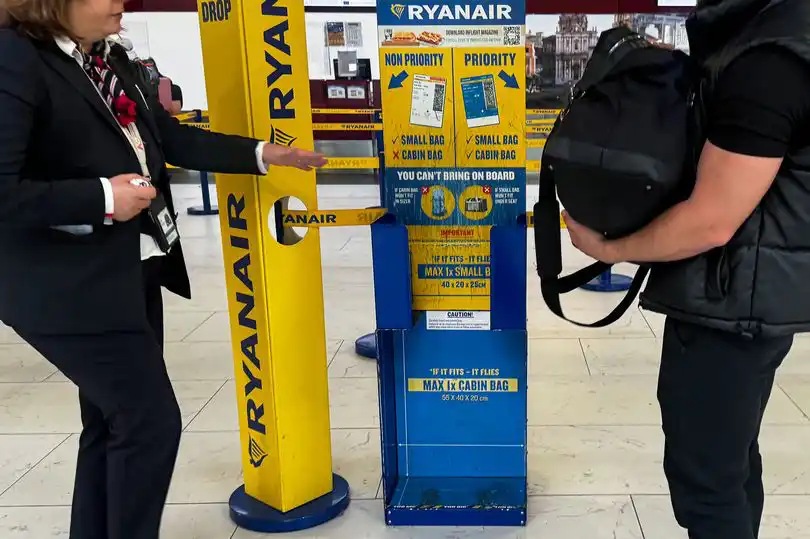
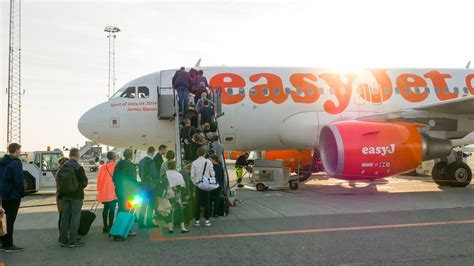
Under existing regulations, each airline defines its own under-seat baggage size limit, and fees for exceeding it vary widely. Ryanair allows a free personal item no larger than 40×20×25 cm, while easyJet is slightly more generous, permitting 45×36×20 cm. Wizz Air, on the other hand, enforces strict limits and has become notorious for last-minute gate charges that often double the cost of a ticket.
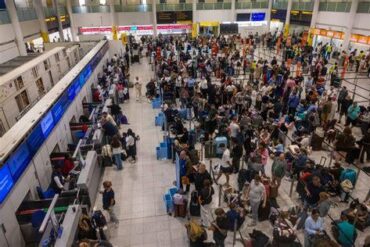
This patchwork system has drawn criticism for being deliberately opaque, with travelers often learning too late that their bags don’t meet the carrier’s limits. The result is a frustrating, costly experience that undermines the affordability these airlines advertise.
A Push Toward Unified Regulation
The proposed EU regulation aims to standardize carry-on rules across all member states and UK-bound routes. The new requirement: all passengers must be allowed one free personal item of up to 40×30×15 cm, including wheels and handles, provided it fits beneath the seat in front of them. Crucially, airlines will be forbidden from charging additional fees for this item.
If passed by the European Parliament, the regulation would apply to all EU-based airlines, including flights between the UK and destinations like Spain, Greece, France, and Italy. It represents a more stringent enforcement of a 2014 EU court ruling that declared airlines could not charge for “reasonable” hand baggage — a term that remained frustratingly vague for nearly a decade.
Consumer Rights Reasserted in Spain
Spain has become a key battleground in this policy debate. The country’s Consumer Rights Ministry recently announced plans to outlaw carry-on luggage charges altogether, arguing that they violate basic consumer protections. This followed a landmark investigation that led to €174 million (£150 million) in fines levied against several low-cost carriers for abusive surcharges and deceptive baggage policies.
This move has drawn widespread support from consumer advocacy groups across Europe, which argue that the right to travel with basic hand luggage — without hidden costs — should be enshrined in law. According to travel consumer expert Jane Hawkes, a uniform policy is critical to rebuilding trust in budget airlines, many of which rely on complex fee structures to maintain their profit margins.
Airline Response: Resistance with a Warning
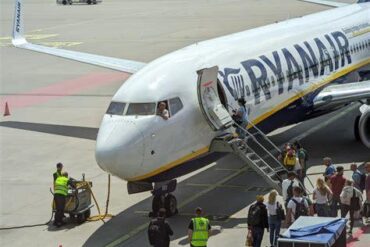
Predictably, not all stakeholders welcome the EU’s standardization efforts. Ryanair has stated that while it complies with existing EU law, any move to mandate free carry-on baggage risks inflating ticket prices across the board. “Our fare model is based on giving consumers choice — if you want to pay less and travel light, you can. If you want more, you pay more,” a company spokesperson stated.
Airlines argue that differentiated pricing models empower passengers to tailor their travel experience according to personal needs and budget. Industry group Airlines For Europe (A4E) echoed this sentiment, warning that the EU’s approach could undermine business flexibility and force carriers to compensate through higher base fares.
The UK’s Role in the Regulatory Equation
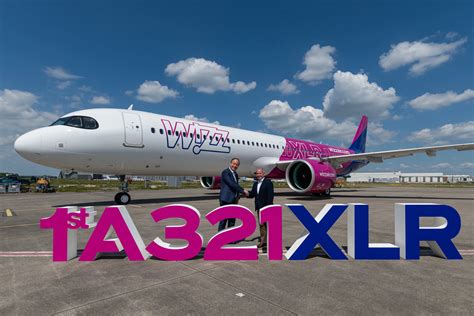
Despite having exited the EU, the UK remains deeply entangled in these developments. The proposed regulation covers EU-based carriers flying to and from non-EU countries, including the UK. That means flights from London to Athens, Manchester to Malaga, or Bristol to Alicante on airlines like easyJet and Wizz Air will fall under the new rule set.
UK authorities have not publicly opposed the regulation, though legal experts suggest the UK could find itself politically and commercially pressured into aligning with EU standards to maintain seamless air travel and avoid passenger dissatisfaction.
Impact on Popular Summer Routes to Spain and Greece
As summer travel to Spain and Greece reaches its peak, the timing of these reforms is particularly significant. Tourists flying to Barcelona, Madrid, Athens, or Santorini via Ryanair or Wizz Air are often caught unaware by strict gate policies. Uniform baggage standards would dramatically simplify packing decisions and reduce airport stress, especially for families and infrequent travelers.
This is especially pertinent on routes from the UK to holiday hotspots like Ibiza, Corfu, or Crete, where hand luggage fees can represent a large percentage of the total ticket price. Eliminating these fees may make travel more predictable, even if overall fare adjustments are needed to offset the loss of ancillary revenue.

The Economics Behind Baggage Fees
What’s at stake is more than passenger convenience. For ultra-low-cost airlines, baggage fees represent a crucial income stream. Ryanair, for example, generates over 30% of its revenue from ancillary services, which include seat selection, priority boarding, and yes, baggage charges. Any disruption to this model challenges the financial sustainability of ticket prices that have made European travel accessible to millions.
Analysts warn that while the reforms might feel like a win for consumers, they could also disrupt airline economics. Some predict a shift toward fewer promotions, limited ultra-cheap fares, or a subtle rebranding of base ticket tiers to reintroduce the same baggage allowances under new pricing language.
A Glimpse Ahead: Regulation and Repercussion
As the EU’s proposal moves through legislative channels, industry observers expect fierce lobbying from airlines trying to preserve flexibility in revenue management. Yet public opinion increasingly favors clarity and fairness, especially after the Spanish crackdown showcased how far national governments are willing to go.
If adopted, the regulation may serve as a blueprint for other global regions, as pressure mounts on aviation regulators in the UK, US, and elsewhere to address opaque airline fee structures. The regulation’s success could also reshape consumer expectations, forcing legacy carriers to follow suit in standardizing carry-on allowances.
Final Boarding Call for Fairness
What began as a legal technicality in a 2014 EU court ruling may now become the catalyst for one of the most impactful shifts in air travel regulation in recent history. The move to standardize carry-on bag rules on flights to Spain, Greece, and beyond could restore transparency, enhance the passenger experience, and realign airline business models — though not without cost.
While Ryanair, easyJet, and Wizz Air voice concern over economic repercussions, the broader momentum favors a simplified, passenger-first model where what you see — and what you pack — is truly what you get.