Air travel passengers often assume that fuel is a simple commodity: the same aircraft arrives at the same airport, connects to the same underground fuel system, receives the same type of jet fuel, and therefore should pay the same price. In reality, the aviation fuel market operates nothing like a roadside gas station. The amount an airline pays for a gallon of jet fuel depends on a complex combination of purchasing power, supply contracts, airport infrastructure ownership, financial strategies, taxes, and operational decisions.
At a major international airport, two aircraft parked only a few meters apart can receive identical kerosene-based fuel from the same underground storage facility while their airlines record dramatically different costs. One carrier may effectively pay a lower price because it negotiated a massive long-term supply agreement years earlier. Another airline may pay significantly more because it purchases smaller volumes, lacks infrastructure partnerships, or faces higher local fees.
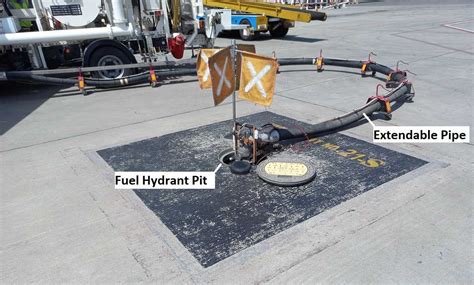
The difference between these fuel bills is not caused by the fuel itself. The physical product flowing into the aircraft tanks is usually identical. The financial journey behind that fuel, however, is completely different for every airline.
Jet Fuel Is One of the Largest Airline Operating Expenses
Fuel represents one of the most important costs in commercial aviation. Depending on market conditions, fuel commonly accounts for roughly 25% to 35% of airline operating expenses, making it one of the biggest factors affecting profitability. A small difference in the price paid per gallon can create millions of dollars in annual savings or losses for a global carrier.
For an airline operating hundreds of aircraft across multiple continents, fuel purchasing is not a simple transaction completed every time an aircraft arrives at a gate. Airlines manage fuel like a strategic financial asset. They build procurement departments, negotiate international contracts, monitor energy markets, and use complex forecasting systems to control exposure to price volatility.
A large network carrier consuming billions of gallons of fuel each year has enormous negotiating power. Smaller airlines, charter operators, and occasional international carriers usually do not have the same advantage. As a result, two airlines using the same airport infrastructure can begin with completely different fuel costs before the aircraft even lands.
The airport fuel truck or hydrant system only represents the final stage of a much longer supply chain. The real price difference begins months or even years earlier, when airlines negotiate how they will acquire and manage fuel supplies.
Bulk Fuel Purchasing Gives Major Airlines a Significant Advantage
The biggest reason airlines pay different prices for identical fuel is purchasing volume. Large airlines rarely buy fuel at the daily airport market rate. Instead, they negotiate long-term fuel supply agreements with oil companies, refiners, and specialized aviation fuel suppliers.
These contracts typically guarantee minimum purchase volumes across an airline’s entire network. A carrier operating major hubs in cities such as London, Atlanta, Dubai, or Singapore can commit to purchasing millions of gallons every month. In exchange, suppliers offer more favorable pricing structures.
A smaller airline operating only a few routes may need fuel at the same airport but lacks the ability to negotiate similar discounts. It might purchase fuel through a third-party distributor at a higher markup because it cannot promise the supplier consistent demand.
Fuel contracts are usually not based on a fixed price forever. Instead, they often use international market benchmarks. The final airline price is calculated through a formula:
Market benchmark price + regional transportation cost + supplier margin + airport delivery fees = final fuel cost
The benchmark might come from global petroleum pricing indexes such as the U.S. Gulf Coast jet fuel index, New York Harbor pricing, or Platts aviation fuel assessments used widely in international markets.
The important difference comes from the additional premium added above that benchmark. This is known as the basis spread.
A major airline purchasing millions of gallons weekly may negotiate a very small basis spread because suppliers compete aggressively for its business. A smaller operator buying limited quantities may have to accept a much larger premium.
For example, one airline might negotiate a basis spread of only a few cents per gallon above the market index, while another carrier buying a fraction of the volume could pay several times more for the same physical fuel at the same airport.
Airport Fuel Infrastructure Creates Hidden Price Differences
Many travelers assume airports own all fuel facilities, but the reality is much more complicated. At large international airports, fuel storage tanks, pipelines, and underground hydrant systems are often controlled by specialized fuel consortiums.
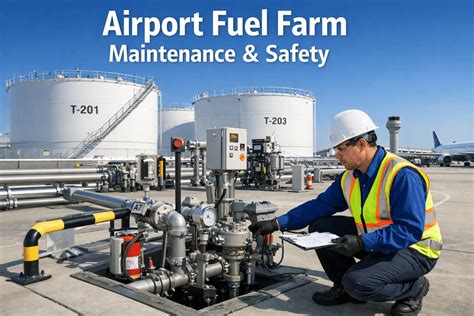
A fuel consortium is usually a partnership between multiple airlines and energy companies. Historically, major airlines invested significant capital to build airport fuel infrastructure because reliable fuel access was essential for their operations.
Airlines that helped finance these systems often receive financial advantages. They may pay lower infrastructure fees because they are consortium members or long-term partners.
Newer airlines entering the airport environment usually do not have the same ownership position. They must pay commercial access fees to use the existing infrastructure. These fees cover storage, maintenance, pipeline operations, safety systems, and administration.
This creates a situation where two airlines can receive fuel from the exact same underground pipeline but pay different prices simply because one helped build the system decades ago and the other did not.
The difference can become especially significant at congested international hubs where alternative fuel delivery options are limited. An airline cannot simply bring its own fuel supplier onto the airport ramp. It must work through approved infrastructure providers.
Into-Plane Fueling Services Add Another Layer of Cost
After fuel arrives at the airport storage facility, another expense appears: getting the fuel into the aircraft.
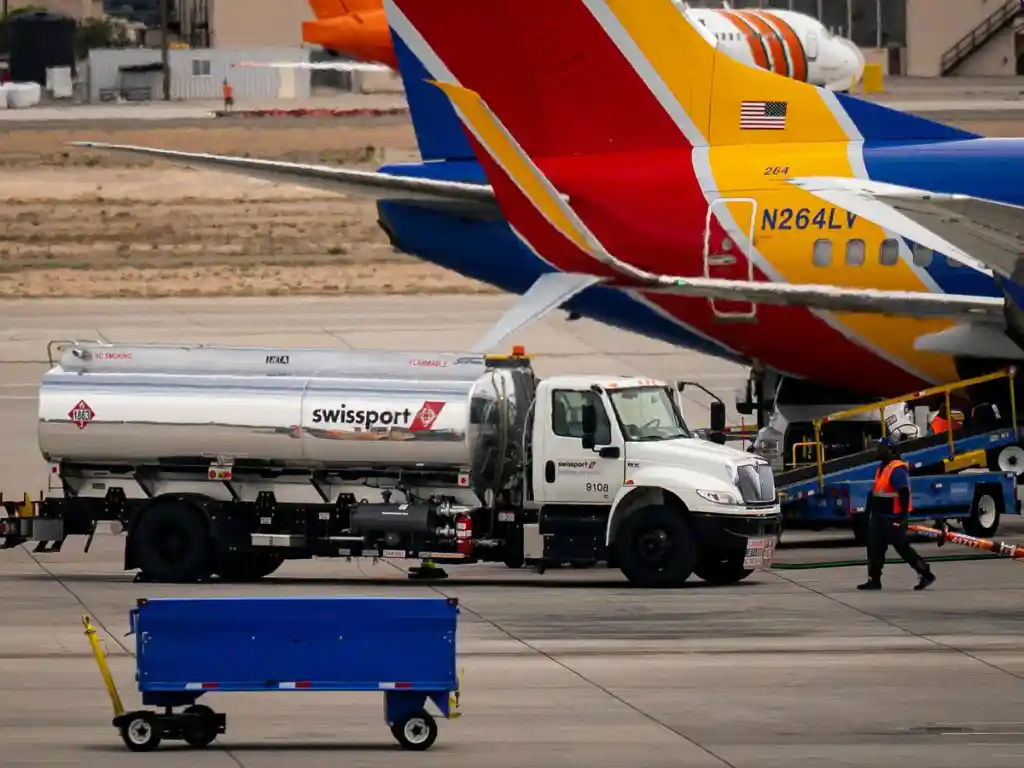
The process of transferring fuel from underground hydrants into aircraft tanks is handled by specialized ground service companies. These providers operate fueling vehicles, maintain equipment, train employees, and coordinate with airline operations teams.
Large airlines with permanent bases at an airport often negotiate favorable contracts with fueling companies. They may agree to monthly service arrangements, volume discounts, or fixed-rate agreements.
A foreign carrier operating a few flights per week may not have the same bargaining power. Instead, it may pay higher individual fueling fees every time an aircraft arrives.
This difference may seem small on a single flight, but aviation economics operate on enormous scale. A few cents per gallon multiplied across thousands of flights can significantly affect annual operating costs.
For airlines competing in markets where ticket prices are extremely sensitive, these small fuel advantages can determine whether a route remains profitable.
Fuel Hedging Changes the Real Cost Airlines Pay
The price displayed on the airport fuel invoice does not always represent the airline’s true fuel cost.
Many airlines use financial instruments known as fuel hedging to protect against unpredictable oil price movements. Similar to companies managing currency risks, airlines use financial markets to reduce exposure to sudden fuel price increases.
Fuel hedging can involve options, swaps, and other derivatives. These agreements allow airlines to lock in future fuel prices or limit how much they will pay if markets rise sharply.
Consider two airlines purchasing fuel on the same day at the same airport. Both may receive an invoice based on a market price of $3 per gallon. However, one airline may have previously purchased fuel options when prices were lower, reducing its effective cost.
The second airline may have chosen not to hedge or may have entered a contract at a less favorable time. Its actual financial exposure could be much higher despite receiving identical physical fuel.
This explains why airline fuel strategies are not only operational decisions but also financial management decisions. A carrier with strong fuel forecasting and risk management capabilities can gain a major competitive advantage.
Taxes and Environmental Regulations Create Additional Differences
Fuel prices are also affected by government policies. Airlines operating from the same airport may face different tax situations depending on where their flights are going and how regulations apply.
International aviation has historically benefited from fuel tax exemptions under international agreements designed to encourage global connectivity. Domestic flights, however, are often subject to national, regional, or local fuel taxes.
In some countries, airlines operating large domestic networks may face significant taxation differences compared with international competitors.
Environmental policies are creating another layer of complexity. Governments around the world are introducing carbon pricing systems and sustainable aviation fuel requirements.
The growing use of sustainable aviation fuel (SAF) is particularly important because SAF currently costs significantly more than conventional jet fuel. Airlines required to blend SAF into their fuel supply may experience higher operating costs.
A carrier based in a region with strict environmental requirements may pay more for every gallon uplifted compared with an international airline operating under different regulatory conditions.
Why Airlines Sometimes Carry Extra Fuel to Avoid Expensive Airports
Airlines do not always purchase fuel wherever they land. Sometimes, they deliberately carry additional fuel from cheaper locations.
This strategy is known as fuel tankering.
A flight departing from an airline’s main hub may load extra fuel so it can avoid buying expensive fuel at the destination airport. The aircraft essentially becomes a temporary fuel storage system.
For example, if fuel at a remote airport is significantly more expensive because of transportation costs or limited competition, an airline may calculate that carrying extra fuel from its cheaper hub is financially worthwhile.
However, carrying additional fuel also increases aircraft weight. A heavier aircraft consumes more fuel during flight. Airlines therefore use advanced flight planning software to calculate whether the savings outweigh the additional fuel burn.
Modern dispatch systems analyze fuel prices, aircraft weight, weather conditions, and route requirements before deciding whether tankering makes economic sense.
Fuel Purchasing Has Become a Competitive Advantage
The difference between airline fuel prices is not simply about who pays more at the airport. It reflects years of strategic decisions involving contracts, infrastructure investments, financial planning, and operational efficiency.

A major airline with global purchasing power, strong airport relationships, and sophisticated hedging strategies can operate with significantly lower effective fuel costs than a smaller competitor flying from the same terminal.
This advantage influences ticket prices, route decisions, and even airline survival. When fuel prices rise sharply, carriers with efficient procurement systems are better positioned to maintain operations, while financially weaker airlines may be forced to reduce schedules or abandon routes.
The aviation industry is often described as a competition fought in the sky, but many of the biggest battles happen on the ground. Fuel contracts, financial markets, and airport infrastructure determine which airlines can keep costs under control.
The next time two aircraft sit side by side at an airport and receive fuel from the same underground pipeline, their fuel bills may tell completely different stories. The difference is not in the fuel itself. It is in the decades of strategy, negotiation, and financial planning behind every drop.