Jet fuel is a liquid, so it seems logical that it would be measured in gallons just like gasoline or diesel at a service station. Yet in aviation, pilots, airlines, mechanics, and dispatchers almost always discuss fuel in pounds or kilograms rather than volume. This industry-wide standard is not a matter of tradition—it is rooted in physics, aircraft performance, and flight safety.
Unlike cars, aircraft operate through dramatic changes in altitude, temperature, and atmospheric pressure. These changing conditions directly affect the volume of fuel, while its mass remains constant. Since every aspect of flight planning depends on the aircraft’s actual weight, measuring fuel by pounds provides the most reliable and consistent method.
Aircraft manufacturers, airlines, and military operators all base performance calculations on weight because it determines how efficiently an aircraft flies, how much runway it requires, and whether it can safely take off and land. Measuring fuel in pounds removes uncertainty and allows every calculation to remain accurate regardless of environmental conditions.
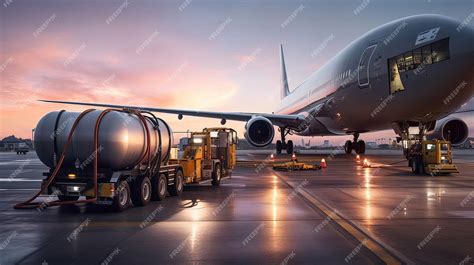
Why Fuel Volume Changes but Fuel Weight Does Not
Jet fuel expands and contracts as temperatures change. On the ground during a hot afternoon, the same quantity of fuel occupies more space than it would on a freezing morning. At cruising altitude, where outside temperatures commonly fall below -50°C (-58°F), fuel becomes denser and occupies a smaller volume.
If pilots relied solely on gallons, the actual amount of usable fuel could vary despite identical volume readings. Weight, however, never changes simply because the temperature changes. A pound of jet fuel remains a pound whether the aircraft is parked on the ramp or cruising at 40,000 feet. This consistency makes weight the only dependable measurement for flight operations.
Aircraft Performance Depends on Weight, Not Volume
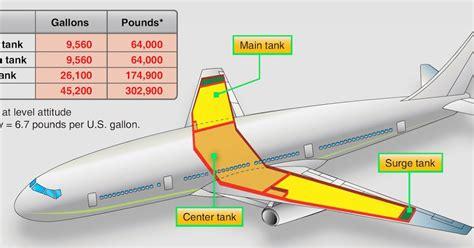
Every aircraft is designed around carefully defined weight limitations. These include the maximum takeoff weight, maximum landing weight, and limits for individual cargo compartments and fuel tanks. Fuel often represents one of the largest portions of an aircraft’s total weight, making precise measurement essential.
Pilots calculate fuel burn in pounds per hour because engine performance, climb rates, cruising efficiency, and landing characteristics all depend on how heavy the aircraft is. As fuel is consumed, the airplane becomes lighter, improving efficiency and altering its handling characteristics. Flight management computers continuously monitor these weight changes throughout every phase of flight.
Fuel Planning Prioritizes Safety
Fuel calculations are far more complex than simply determining how far an aircraft can fly. Flight planners must account for taxi operations, takeoff, climb, cruise, descent, alternate airports, weather deviations, and mandatory reserve fuel. Every one of these calculations uses weight rather than volume.
Aircraft must also comply with strict landing weight limits. In situations requiring an unexpected landing shortly after departure, a heavily fueled aircraft may exceed its certified landing weight. Larger airliners equipped with fuel jettison systems can dump fuel to reduce their weight before landing, protecting the aircraft’s structure from excessive stress.
A Global Standard That Improves Accuracy
Using pounds—or kilograms in many countries—creates a standardized language across the aviation industry. Fuel suppliers determine fuel density during refueling and convert the delivered volume into weight, ensuring pilots receive the exact amount required regardless of local temperature.
Modern aircraft computers, dispatch systems, and maintenance software all operate using weight-based calculations. This approach eliminates unnecessary conversions during flight, improves fuel management, and reduces the possibility of operational errors.
Why Pounds Remain the Aviation Standard
Although jet fuel is physically pumped into tanks by volume, weight is what truly matters once an aircraft leaves the ground. Because temperature and altitude constantly affect fuel volume, gallons cannot provide the consistent accuracy required for safe flight planning. Measuring fuel in pounds allows pilots to make precise performance calculations, comply with aircraft weight limitations, optimize fuel efficiency, and maintain safety from takeoff to landing. It is a straightforward application of physics that has become one of the aviation industry’s most important operational standards.