The Captain Has The Final Authority Over Long-Haul Aircraft Fuel Decisions
Every long-haul flight begins with a carefully calculated fuel plan. Behind the scenes, airline dispatchers use advanced flight planning systems, weather models, aircraft performance data, and regulatory requirements to determine the amount of fuel an aircraft should carry before departure. However, the number produced by the dispatcher is not the final decision. The airline captain, as the pilot in command, has the ultimate authority to accept that figure or request additional fuel.
Fuel planning is a balance between operational efficiency and safety. Carrying too much fuel increases aircraft weight, raises fuel consumption, and adds unnecessary costs for airlines. Carrying too little fuel can create serious risks if weather changes, delays occur, or unexpected operational challenges appear during the flight.
For this reason, the dispatcher’s fuel calculation is best viewed as a highly accurate starting point rather than an unquestionable answer. Experienced captains analyze the flight plan through a different lens, combining computer-generated predictions with years of operational experience. They consider factors that may not be fully captured by automated systems, including changing weather patterns, historical route performance, turbulence risks, and airport limitations.
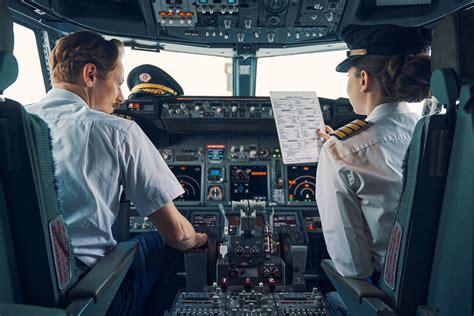
The relationship between dispatchers and pilots is built around cooperation. Dispatchers are responsible for creating a safe and efficient flight plan, while captains evaluate whether that plan matches the real-world conditions they expect to encounter. When a captain believes additional fuel is necessary, requesting more fuel is a routine operational decision rather than an unusual event.
Weather Forecasts And Jet Streams Can Change Fuel Requirements
One of the biggest influences on long-haul aircraft fuel consumption is wind. At cruising altitude, aircraft constantly interact with powerful atmospheric systems, especially the jet stream, which can significantly affect flight time and fuel burn.
Flight planning computers rely on global weather models that provide three-dimensional wind forecasts. These systems calculate expected headwinds and tailwinds along the aircraft’s route and use that information to estimate fuel consumption. However, weather models are predictions, not guarantees.
A dispatcher may calculate a flight based on a forecast created several hours earlier, but atmospheric conditions can shift quickly. A jet stream that moves slightly south or becomes stronger than expected can place an aircraft directly into a stronger headwind. Over a short domestic flight, this difference may have little impact. Over a 12- to 15-hour international journey, even a small wind error can translate into thousands of additional pounds of fuel burned.
Experienced captains pay close attention to the age and reliability of weather information. They understand that a computer model might predict a moderate headwind, while actual conditions at altitude could be considerably worse. When flying routes they know well, pilots often compare forecasts with their previous experiences and recognize patterns that automated systems may not fully account for.
A captain operating repeated transatlantic flights, for example, may notice that certain winter routes consistently encounter stronger westbound headwinds than predicted. That operational knowledge can influence the decision to carry additional discretionary fuel before departure.
Why Turbulence Can Force Pilots To Carry More Fuel
Fuel planning is not only about reaching the destination. It is also about managing the unexpected conditions that may appear along the way. Turbulence is one factor that can influence both the aircraft’s route and its fuel consumption.
Clear air turbulence often develops near the edges of jet streams, where differences in wind speed and direction create unstable atmospheric conditions. If pilots expect severe turbulence at their planned cruising altitude, they may request a different altitude from air traffic control.
However, changing altitude does not always improve fuel efficiency. Lower cruising altitudes contain denser air, which increases aerodynamic drag and can cause the engines to consume more fuel. A flight that descends several thousand feet to avoid turbulence may become more comfortable for passengers and safer for the aircraft, but it may also require additional fuel.
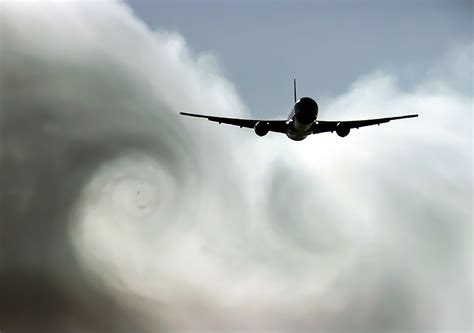
Geographic features can create additional challenges. Mountain ranges, particularly areas such as the Rockies, Himalayas, or Alps, can generate powerful atmospheric waves that reach normal cruising altitudes. These conditions can produce sudden changes in wind speed and force pilots to adjust engine power settings.
Long-haul captains develop an understanding of how these conditions affect aircraft performance. They consider the relationship between the tropopause, wind patterns, and planned flight levels. If they believe turbulence or changing winds could increase fuel consumption, adding extra fuel becomes a practical operational decision.
The Problem Of Headwind Forecast Errors On Ultra-Long Flights
A major reason captains sometimes override dispatcher fuel numbers is the tendency for forecasts to underestimate strong headwinds. This is especially important on ultra-long-haul flights where aircraft spend many hours crossing oceans or continents.
A small forecasting error can become significant over time. A headwind that is only 10 knots stronger than predicted may seem minor, but across a 14-hour flight, the aircraft may need to remain airborne much longer while burning fuel at cruise power.
Veteran pilots often build personal route knowledge through repeated operations. They remember how specific routes perform during different seasons and weather patterns. If experience shows that actual winds regularly exceed forecasts, a captain may choose to add extra fuel to create a safety margin.
This decision is not based on ignoring technology. Modern flight planning systems are extremely sophisticated and provide essential information. Instead, experienced pilots combine technology with human judgment. Computers can analyze enormous amounts of data, but they cannot fully replace the operational awareness developed through thousands of hours of flying.
Arrival conditions also matter. A flight may have enough fuel to reach its destination, but unexpected changes after many hours in the air can create problems. Strong winds near the airport can change runway availability, slow arrival rates, or force aircraft into holding patterns.
Destination Delays And Airport Limitations Influence Fuel Choices
Many passengers assume that fuel planning only considers the distance between departure and arrival airports. In reality, airline fuel calculations involve multiple possible scenarios after the aircraft reaches its destination area.
Airports can experience delays caused by weather, runway closures, traffic congestion, or operational restrictions. A major international airport with multiple runways may handle disruptions efficiently, while a smaller airport with limited infrastructure may quickly develop long waiting times.
Wind direction is particularly important because aircraft normally land into the wind. If surface winds change during a long flight, airport controllers may need to switch runway configurations. At busy airports, this can reduce arrival capacity and create holding delays.
A captain planning a long-haul flight may consider whether the destination airport has limited runway options or a history of weather-related congestion. If the risk of holding is higher than normal, additional fuel can provide greater flexibility.
Alternate Airports And Diversion Planning Require Captain Judgment
Every commercial flight must consider what happens if the aircraft cannot land at its planned destination. Airlines must prepare alternate airport options according to aviation regulations, but the final fuel decision may still involve pilot judgment.
The required fuel calculation for an alternate airport includes several stages: performing a missed approach, climbing, flying to the alternate airport, descending, and completing another approach. Flight planning systems calculate these requirements using standard assumptions.
However, real-world conditions are rarely perfectly standard. The alternate airport may have poor weather, limited facilities, or operational restrictions. A captain may decide that the calculated amount does not provide enough flexibility and request additional fuel.
This becomes especially important on international and oceanic flights. Over remote areas, diversion airports may be hundreds of miles away, and options may be limited. A captain must consider not only whether the aircraft can technically reach an alternate, but also whether that diversion would be practical under actual conditions.
ETOPS Rules And Long-Range Flight Safety Margins
Long-haul aircraft operating far from suitable airports must follow additional requirements. Extended-range operations, commonly known as ETOPS, establish strict standards for aircraft reliability, route planning, and fuel reserves.
These operations require careful consideration of potential emergencies and diversion scenarios. The farther an aircraft flies from available airports, the more important fuel planning becomes.
Although flight computers provide accurate calculations, captains understand that unexpected events rarely follow standard assumptions. A medical emergency, technical issue, severe weather system, or airport closure can quickly change the situation.
The extra fuel carried on many long-haul flights is not wasted capacity. It represents operational flexibility that allows pilots to handle uncertainty safely.
Why Airline Captains Continue To Make The Final Fuel Decision
Modern aviation depends heavily on automation, advanced forecasting, and computer-based flight planning. However, the role of the captain remains essential because aviation decisions often require judgment beyond mathematical calculations.
Dispatchers provide professional expertise, and their recommendations form the foundation of every flight plan. Yet the captain is the person responsible for the aircraft, passengers, and crew once the aircraft leaves the gate.
The decision to add fuel is therefore not about challenging the dispatcher. It is about combining different forms of expertise. Dispatchers understand planning systems and regulations, while captains bring operational experience from thousands of flights.
For airlines, fuel efficiency remains important. Every extra kilogram of fuel increases operating costs. But safety always takes priority over savings. When a captain believes additional fuel is needed, that decision reflects the fundamental principle of commercial aviation: preparing for conditions that may not happen, but ensuring the aircraft is ready if they do.