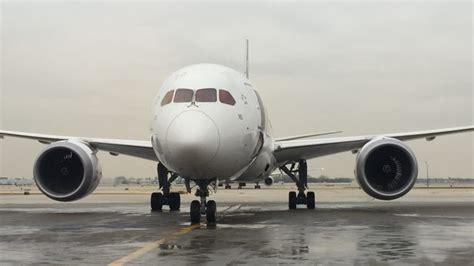
Becoming an airline dispatcher is an ambitious and rewarding career path for those drawn to the operational heartbeat of aviation. Airline dispatchers, often called flight dispatchers, are the critical minds behind the flight planning and safety logistics of commercial aviation. They are licensed professionals responsible for ensuring a flight’s success before it ever leaves the ground — co-authoring flight paths, analyzing meteorological data, calculating fuel requirements, and communicating directly with pilots. For those seeking a fast-paced, intellectually rigorous career in aviation without being a pilot, this role offers an exceptional opportunity.
Understanding the Role of an Airline Dispatcher
An airline dispatcher shares legal responsibility with the captain for the safety and operation of each flight. This includes evaluating enroute weather conditions, reviewing aircraft performance capabilities, and ensuring that Federal Aviation Regulations (FARs) are met throughout every leg of the journey. Working closely with air traffic control, crew schedulers, and ground support, dispatchers make real-time decisions in the case of reroutes, delays, or emergencies.
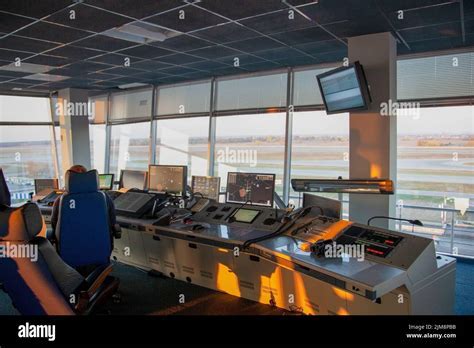
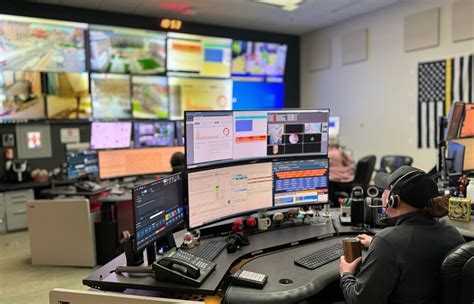
Dispatchers work inside airline operations centers (AOCs) or flight control centers, usually located at airline hubs. Unlike pilots, their shifts are predominantly on the ground but involve high-stakes decision-making, especially during irregular operations.
Minimum Requirements and Certification
To enter this profession in the United States, the FAA Aircraft Dispatcher Certificate is a mandatory credential. Candidates can begin training at age 21 but must be 23 years old to be certified to dispatch flights for Part 121 carriers, which include all major U.S. passenger and cargo airlines.
The core requirements include:
-
High school diploma or equivalent
-
Fluency in English (both written and spoken)
-
FAA certification after completing a training course
-
No medical certificate required, though dispatchers must be “fit for duty”
Most dispatchers complete a dispatcher certification course offered by FAA-approved schools. These programs vary in length — typically between 5 and 6 weeks full-time, although accelerated options exist for aviation professionals or military personnel. After course completion, candidates must pass both a knowledge test (ADX) and a practical examination administered by an FAA Designated Examiner.
What You Learn in Dispatcher School
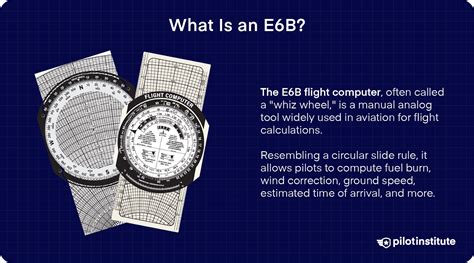
Dispatcher training is both intensive and highly technical, covering a wide array of subjects required to ensure operational control. The curriculum includes:
-
Aerodynamics and aircraft performance
-
Meteorology and weather interpretation
-
Federal Aviation Regulations (FAR Part 91 and 121)
-
Flight planning and navigation
-
Weight and balance calculations
-
Air traffic control procedures
-
Emergency and abnormal operations
Schools like Sheffield School of Aeronautics, AeroStar, and Jeppesen offer some of the most recognized dispatcher programs in the U.S. Many schools provide both online pre-course material and in-person classroom instruction.
Alternative Paths for Aviation Professionals
Under CFR 14 §65.57, individuals with prior aviation experience such as military flight operations, commercial pilots, or flight engineers may bypass the standard course requirements. These candidates may be eligible to sit directly for the FAA exams, assuming they can demonstrate equivalent knowledge and experience.
For commercial pilots with a current ATP certificate, this route allows a quicker transition into dispatch, especially valuable if health restrictions prevent active flying. While no medical certificate is required for dispatching, self-assessment and workplace drug testing ensure operational reliability.
Entry-Level Employment and Career Growth
Regional airlines are typically more open to hiring entry-level dispatchers without prior aviation experience. While a college degree is not a requirement, many applicants hold one — especially those seeking to advance into mainline or cargo carrier roles.
Dispatching at a regional level is a springboard. Candidates gain hands-on experience with:
-
Weather pattern evaluation
-
Regulatory compliance
-
Communication protocols with flight crews
-
Irregular operations and delay recovery
With time and experience — often 3–5 years — dispatchers can advance to mainline carriers like Delta, United, or American Airlines. These roles demand extensive experience and often prioritize internal candidates or those with strong performance records.
Pay and Lifestyle
The starting salary for regional airline dispatchers typically ranges from $16 to $22 per hour, equating to roughly $35,000–$45,000 annually, depending on overtime. While initial pay may seem modest, mainline airline dispatchers command significantly higher compensation.
At major airlines, dispatchers can earn between $70,000 and $150,000+ annually with seniority and overtime. Additional benefits often include:
-
Travel privileges (free or discounted flights)
-
Retirement contributions and healthcare
-
Union representation and contractual pay raises
However, this career also involves shift work, holidays, and high-stress decision-making environments. Dispatchers often work nights, weekends, and irregular hours, mirroring airline schedules. The job rewards those with mental stamina, attention to detail, and problem-solving acumen.
Difference Between Dispatchers and Crew Schedulers
While often confused, crew schedulers and dispatchers perform distinct roles. Crew schedulers manage flight crew assignments, ensuring compliance with legal duty limits, arranging hotels and transportation, and responding to last-minute crew availability issues. Unlike dispatchers, schedulers do not require FAA certification and are usually hired straight into the role.
Schedulers often work closely with dispatchers but focus on the human side of airline logistics. It’s common for aspiring dispatchers under age 23 to work in crew scheduling while awaiting eligibility for FAA certification.
Demand and Job Outlook
The aviation industry is currently experiencing a tight labor market for qualified dispatchers. With increased pilot retirements, new aircraft deliveries, and a growing emphasis on operational safety, demand is expected to remain steady.
While connections can help at mainline airlines, they are not essential. Many dispatchers are hired based solely on merit and qualifications, particularly at regional levels. The key traits airlines seek include:
-
Calmness under pressure
-
Ability to multitask and prioritize
-
Clear and concise communication
-
Strong memory for regulations and rules
Conclusion
Airline dispatching is not just a job—it’s a mission-critical aviation role that combines technical expertise, strategic decision-making, and a passion for air operations. Whether you’re a recent high school graduate, a military veteran, or a commercial pilot seeking an alternative flight path, becoming a certified dispatcher opens doors into one of aviation’s most intellectually engaging professions. With high responsibility comes high reward — and the satisfaction of safely guiding flights across the sky, one decision at a time.
FAQs
How long does it take to become a certified airline dispatcher?
Most full-time FAA-approved dispatcher courses last 5 to 6 weeks, though accelerated options exist for aviation professionals. After course completion, candidates must pass both the ADX knowledge test and a practical exam to earn the certificate.
Is being an airline dispatcher stressful?
Yes. Dispatchers operate in a high-pressure environment, especially during irregular operations or weather events. However, individuals with strong multi-tasking skills, decision-making ability, and calmness under pressure often find the role highly rewarding.
Can you become a dispatcher without aviation experience?
Yes. Many regional airlines hire individuals without prior aviation experience as long as they possess an FAA dispatcher certificate. However, familiarity with aviation regulations and concepts is a significant advantage in both training and job performance.