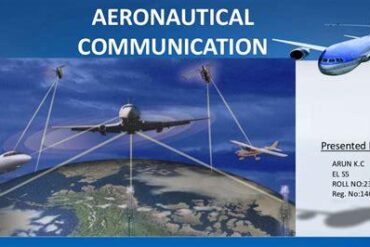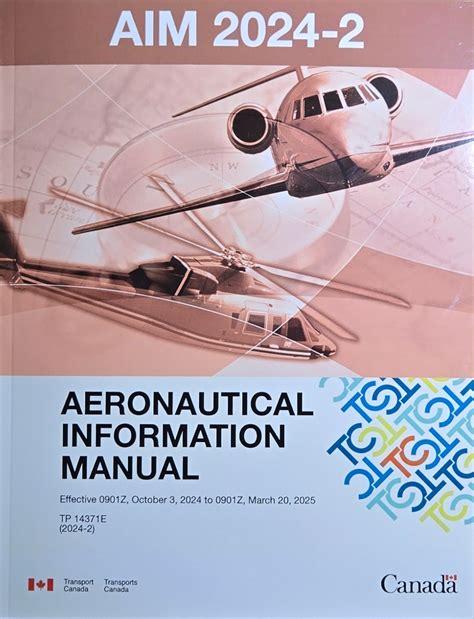
The Aeronautical Information Manual (AIM) serves as the authoritative source of operational knowledge for pilots navigating the skies over the United States and Canada. While not a regulatory document in itself, the AIM consolidates critical air traffic procedures, flight fundamentals, and aeronautical protocols that are indispensable for legal and safe flight. Managed by the Federal Aviation Administration (FAA) in the U.S. and Transport Canada north of the border, the AIM is continuously updated to reflect evolving aviation standards, technologies, and safety considerations. It stands as a bridge between regulatory texts and practical cockpit application, making it essential for both student pilots and experienced aviators alike.
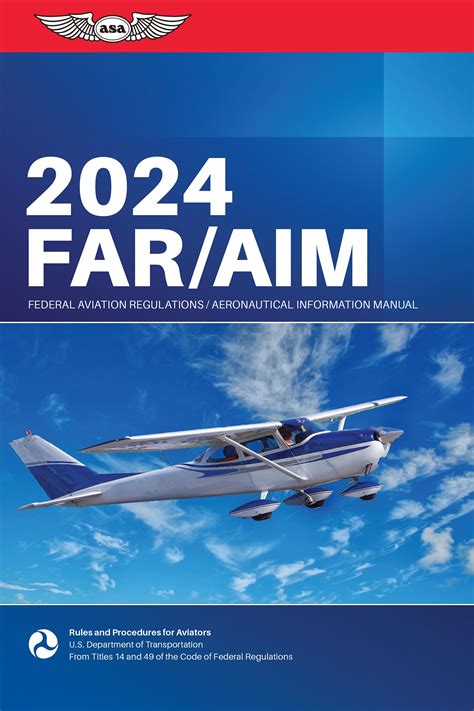
Published electronically and often sold in conjunction with Federal Aviation Regulations as “FAR/AIM” manuals, the U.S. version of the AIM is structured into eleven comprehensive chapters, each covering a vital aspect of aviation operations. In Canada, the document follows a similarly modular format with thematic chapters tailored to Canadian airspace and operational frameworks.
U.S. AIM: Structure and Core Content
The U.S. Aeronautical Information Manual, curated by the FAA, is meticulously organized into eleven chapters, each addressing foundational and advanced aspects of flight. These chapters include:
1. Air Navigation
This chapter delves into fundamental navigation concepts, including VOR, GPS, inertial navigation systems, and RNAV. Pilots are instructed on how to interpret navigational aids and apply them to real-time flight operations, considering variables like magnetic variation and chart symbology.
2. Aeronautical Lighting and Other Airport Visual Aids
Here, the AIM outlines runway lighting systems, beacon identification, approach lighting, and precision runway markings. Visual guidance elements such as VASI and PAPI systems receive detailed explanation, critical for understanding glide path alignment and runway identification during low-visibility approaches.
3. Airspace
This section defines airspace classes (A through G), special use airspace, and the nuances of controlled vs. uncontrolled zones. It also highlights airspace operating rules, pilot responsibilities, and weather minimums essential for both VFR and IFR operations.
4. Air Traffic Control (ATC)
Pilots are introduced to ATC communication protocols, phraseology, and procedures, including position reporting, readbacks, and flight following. This segment serves as a practical supplement to ATC regulatory frameworks.
5. Air Traffic Procedures
Detailed procedures for IFR clearance, enroute transitions, STARs, and approach sequencing are described. It explains controlled departure protocols, holding patterns, and missed approach maneuvers.
6. Emergency Procedures
A guide through the protocols for lost communication, inflight emergencies, squawk codes (7500, 7600, 7700), and diversion procedures. The importance of situational awareness and standardized emergency responses is heavily emphasized.
7. Safety of Flight
Topics covered include collision avoidance, wake turbulence, bird strikes, and midair collision prevention. This chapter synthesizes safety principles into pilot actions and preventive habits.
8. Medical Facts for Pilots
Human factors affecting performance such as hypoxia, spatial disorientation, and carbon monoxide poisoning are addressed. Special attention is given to over-the-counter medications, dehydration, fatigue, and vision-related conditions.
9. Aeronautical Charts and Related Publications
Interpreting sectional charts, terminal area charts (TACs), and IFR enroute low/high altitude charts are core to this section. Legend decoding, symbology, and temporary flight restriction (TFR) indicators are explained.
10. Helicopter Operations
Tailored guidance for rotorcraft flight operations, including confined area landings, autorotations, and vortex ring state. It reflects the unique aerodynamic and operational considerations that differentiate helicopters from fixed-wing aircraft.
11. Unmanned Aircraft Systems (UAS)
A vital chapter for modern aviation, this section outlines drone operator responsibilities, remote pilot certification, airspace access, and the integration of UAS into the national airspace system.
Canadian AIM: Regional Specificity and Structure
Canada’s Aeronautical Information Manual, issued by Transport Canada, echoes the U.S. manual in purpose but diverges in structure and content emphasis to reflect the country’s airspace design and meteorological environment. It is updated semiannually, typically in April and October, and contains twelve thematic chapters:
1. General (GEN)
Covers overarching regulatory frameworks, definitions, and civil aviation governance in Canada. This includes references to the Canadian Aviation Regulations (CARs) and the responsibilities of Nav Canada.
2. Aerodromes (AGA)
Details the classification of airports, aerodrome operations, lighting systems, NOTAM issuance, and snow removal protocols—particularly significant given Canada’s long winters.
3. Communications (COM)
Provides guidance on frequency usage, radio phraseology, distress communication protocols, and aeronautical radio service classifications.
4. Meteorology (MET)
Given Canada’s varied climates, this section offers comprehensive coverage of weather reporting (METAR, TAF), radar summaries, icing, turbulence, and volcanic ash advisories.

5. Rules of the Air and Air Traffic Services (RAC)
Examines VFR/IFR protocols, position reporting, transponder requirements, and the specifics of North Atlantic flight operations which intersect with Canadian FIRs.
6. North Atlantic Operations (NAT)
Dedicated to flights operating over the North Atlantic Tracks (NATs), this chapter discusses oceanic clearance, RVSM airspace, time-based separation, and contingency procedures.
7. Search and Rescue (SAR)
A critical chapter detailing procedures for ELT activation, SAR alerting services, and pilot responsibilities during overwater and remote-area operations.
8. Aeronautical Charts and Publications (MAP)
Provides a detailed breakdown of chart types available in Canada, including VNC, VTA, and CAP charts, along with procedures for their interpretation and application.
9. Licensing, Registration and Airworthiness (LRA)
Outlines requirements for medical certification, pilot licensing, aircraft registration, and maintenance record-keeping.
10. Airmanship (AIR)
Focuses on pilot judgment, ethical conduct, and flight discipline—promoting the philosophy of continual skill development and learning.
11. Remotely Piloted Aircraft (RPA)
Covers drone operations in controlled and uncontrolled airspace, pilot certification under Canadian RPAS regulations, and safety practices.
Practical Use and Importance in Pilot Training
Both versions of the AIM serve as cornerstones in flight training programs. Student pilots use them to understand procedures, phraseology, and safety considerations before stepping into an aircraft. They are commonly assigned as required reading in ground school curricula, and their terminology and content are tested in both written and oral examinations.
Furthermore, the AIM functions as a standard reference tool during flight reviews and checkrides, reinforcing standardized practices across general aviation and commercial sectors. For licensed pilots, the document supports continued education, helping them stay current with changing regulations, technologies, and best practices.
Digital Access and Commercial Formats
While the FAA and Transport Canada publish digital versions freely available online, several aviation publishers compile typeset editions in print or app-based formats. These often include:
- Enhanced indexing and tabbing for ease of use
- Annotated regulations in combination with AIM chapters
- Charts, tables, and cross-references to real-world operational examples
The most common U.S. format, the FAR/AIM, is revised annually and widely used across flight schools and training academies.
A Living Document in a Dynamic Industry
Aviation is an industry where technology, regulation, and safety protocols evolve rapidly. The AIM reflects this dynamism, acting as a living document rather than a static manual. The rise of drones, the integration of NextGen airspace systems, and the increasing reliance on satellite-based navigation are all changes that have been seamlessly integrated into recent AIM updates.
As such, pilots are expected to reference the most current edition before flight planning or conducting cross-border operations. This proactive approach is not just about compliance—it ensures operational clarity, mitigates risk, and supports harmonized international aviation standards.
Conclusion: More Than a Manual—A Pilot’s Companion
The Aeronautical Information Manual is more than just a guidebook—it is an enduring companion in the cockpit. It captures the essence of professional airmanship, synthesizes procedural knowledge, and reinforces the shared language between aircrews and controllers. Whether navigating through complex airspace or planning a cross-country route, the AIM offers structured, reliable, and continually updated guidance that underpins every successful flight.