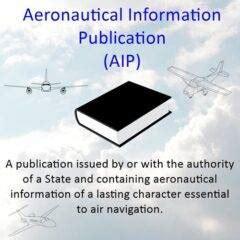
Aeronautical Information Publications, or AIPs, are essential documents issued by a state’s authority. They contain important aeronautical information crucial for safe air navigation. According to ICAO Annex 15, these publications include regulations, procedures, and other details relevant to aircraft operations in a specific country. Typically, a civil aviation administration releases the AIP, making it the primary source for permanent information and long-term temporary changes. The structure of an AIP is standardized internationally through ICAO agreements.
AIPs generally consist of three main parts: GEN (general), ENR (en route), and AD (aerodromes). These documents often include various charts, especially in the AD section, which provides details and charts for all public aerodromes. For more comprehensive information on AIPs, you can refer to Chapter 4 of ICAO Annex 15.
To ensure that they remain current, AIPs undergo regular revisions on a fixed schedule. Significant operational changes follow the AIRAC cycle, which stands for Aeronautical Information And Control. Revisions typically occur every 28 days, with some changes published every 56 days. This allows users to update their aeronautical data, such as standard routes and flight management systems (FMS), well in advance.
While AIPs are vital, they can be quite bulky and are not typically used in-flight. To make them more user-friendly, commercial organizations often create extracts from AIPs to produce Flight Information Publications. These smaller, more manageable documents are designed for use on aircraft.