Airplane wings are masterpieces of modern engineering, meticulously crafted to harness the forces of lift and thrust. Without them, powered flight would be impossible. To truly appreciate the marvel of flight, we must explore the various parts of an airplane wing and understand their specific roles.
Understanding Essential Wing Terminology
Before diving into structural components, it is crucial to grasp a few key technical terms that form the foundation of wing anatomy.
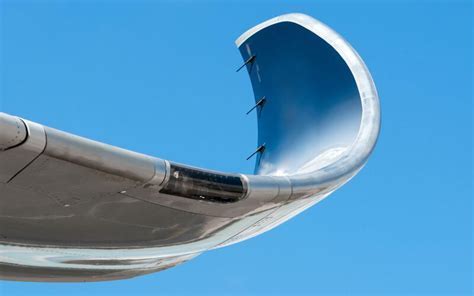
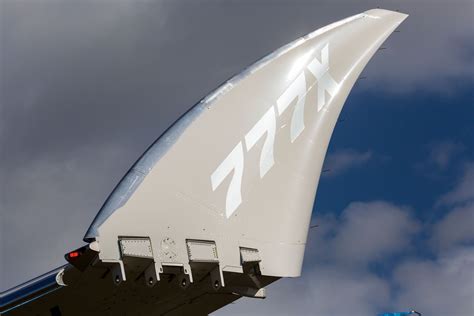
The wingtip refers to the farthest edge of the wing from the fuselage. It significantly affects aerodynamic efficiency, and advanced designs such as winglets are often incorporated to reduce vortex drag.
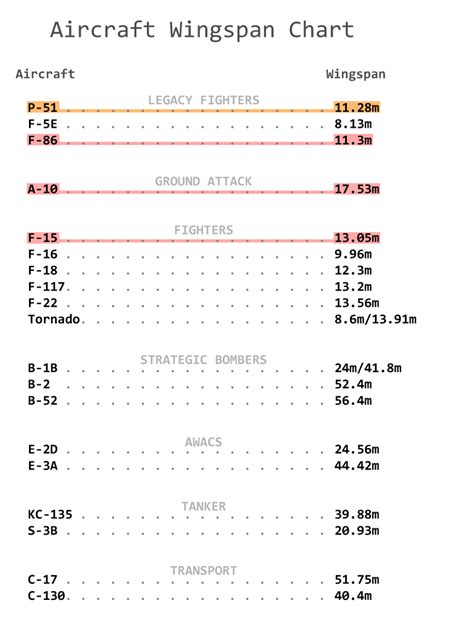
The wingspan measures the distance from one wingtip to the other. This dimension profoundly influences the aircraft’s lift and maneuverability.
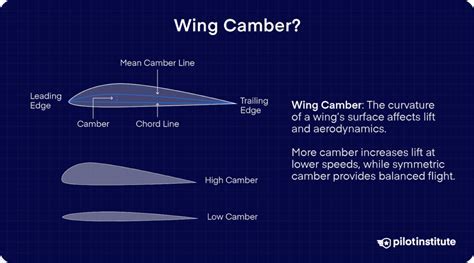
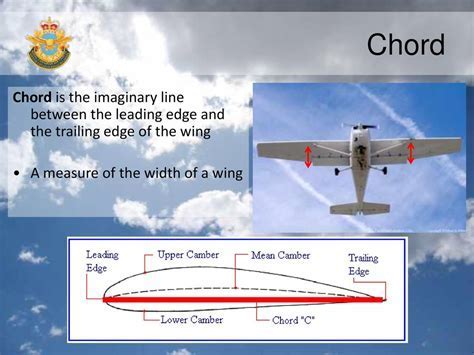
The camber describes the curve of the wing’s upper surface. A greater camber typically results in increased lift but can also introduce more drag.
The leading edge is the front-most boundary of the wing, slicing through the oncoming air. It is often reinforced to withstand substantial aerodynamic pressure.
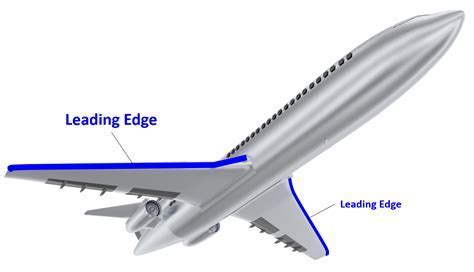
Conversely, the trailing edge is located at the rear of the wing and is generally much thinner, enabling smoother airflow separation and housing vital control surfaces.
The chord line is an imaginary straight line drawn from the leading to trailing edge. It serves as a reference point for measuring angles of attack and wing shape.
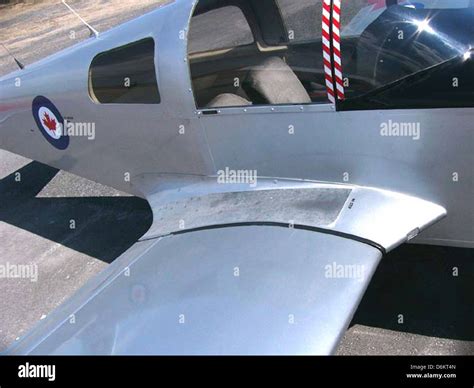
Finally, the wing root is where the wing meets the fuselage. This area is critical for structural strength and often houses mechanisms like the landing gear retraction systems.
The Main Structural Components of an Aircraft Wing
Aircraft wings are far from hollow shells; they contain robust internal frameworks designed for strength, flexibility, and functionality.
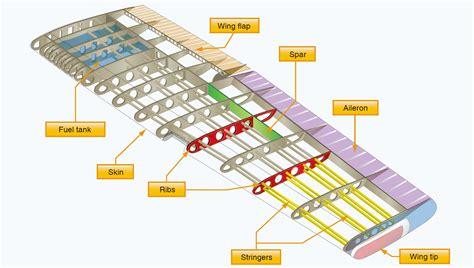
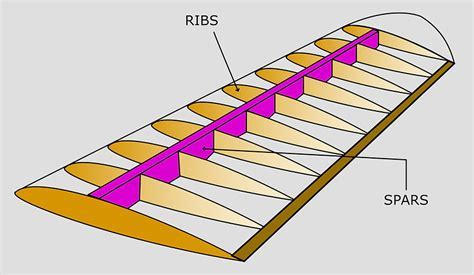
The spar is the backbone of the wing. Running spanwise from root to tip, the spar absorbs the majority of aerodynamic and landing forces. Modern spars are constructed from high-strength materials like carbon composites or advanced aluminum alloys.
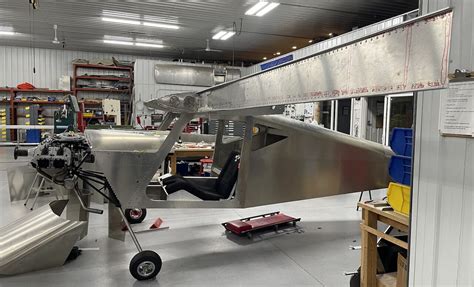
Attached to the spar are the ribs, forming the wing’s cross-sectional shape and evenly distributing aerodynamic loads. Each rib acts like a vertebra, maintaining the wing’s aerodynamic profile.
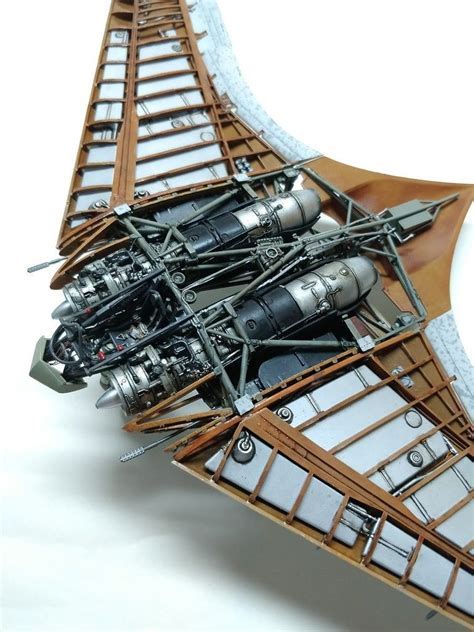
Covering the spars and ribs is the skin, a stressed outer layer that adds to the wing’s strength while providing a smooth, aerodynamic surface. The skin is usually composed of lightweight, durable materials designed to withstand fatigue and pressure variations.
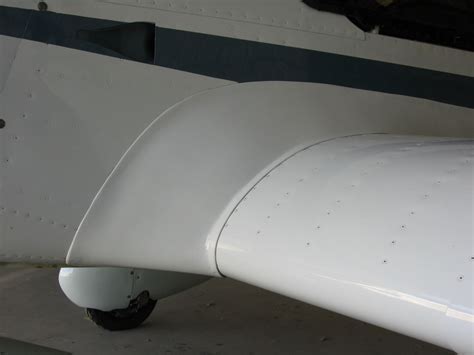
Fairings are streamlined coverings placed over joints, control linkages, and mechanisms to reduce drag. Wing-to-fuselage fairings, flap track fairings, and pylon fairings (for engines) are all designed for aerodynamic cleanliness.
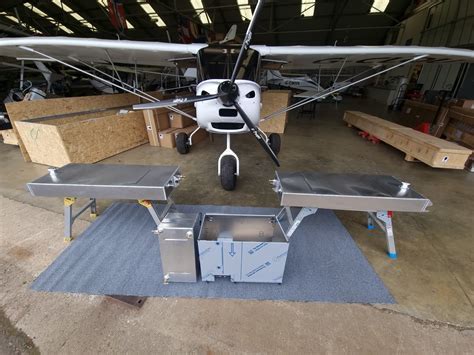
Fuel tanks are often integrated within the wings, utilizing the available internal volume to maximize fuel capacity without compromising aerodynamic efficiency. For instance, the Airbus A380 can hold over 80,000 gallons of fuel in its wings alone.
Flight Control Surfaces: Precision in Motion
To maneuver an aircraft, various flight control surfaces are embedded within the wing structure.
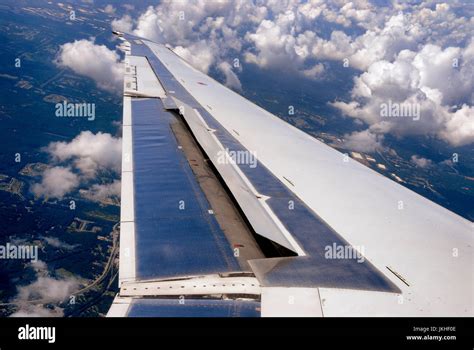
Ailerons: Mastering Roll Control
Located near the wingtip along the trailing edge, ailerons control the aircraft’s roll around its longitudinal axis. When one aileron deflects upward, reducing lift on that wing, the opposite aileron deflects downward, increasing lift on the other, thus rolling the aircraft.
This differential lift enables banking turns and stabilizes flight against turbulence.
Spoilers: Managing Lift and Drag
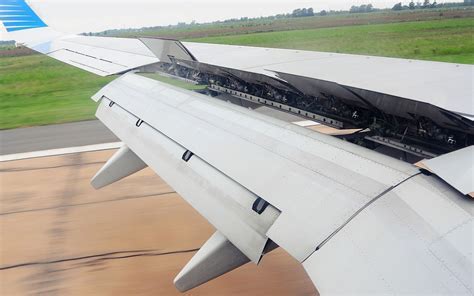
Spoilers are panels mounted on the wing’s upper surface. When deployed, they “spoil” the airflow, reducing lift and increasing drag.
- Roll spoilers assist in turning by reducing lift on one wing.
- Speed brakes deploy symmetrically to decelerate the aircraft or hasten descent.
- Ground spoilers activate upon landing, collapsing lift and transferring weight to the wheels for efficient braking.
Flaps: Enhancing Lift at Low Speeds
Mounted along the trailing edge closer to the wing root, flaps increase the wing’s surface area and camber when extended. This allows the aircraft to maintain lift at slower speeds, critical for safe takeoff and landing operations.
Types of flaps include:
- Plain Flaps: Simple hinged surfaces.
- Split Flaps: Separate lower surfaces that increase drag.
- Slotted Flaps: Introduce slots that energize airflow and delay separation.
- Fowler Flaps: Extend backward and downward, significantly increasing wing area and lift.

Slats: Leading Edge High-Lift Devices
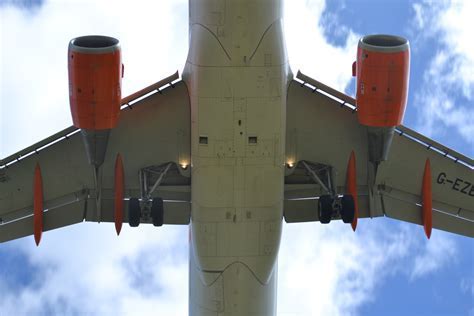
Slats are extendable surfaces on the leading edge of the wing. By deploying slats, the wing’s camber and effective surface area increase, boosting lift during critical phases like takeoff and landing.
Interestingly, deployed slats create a slot that re-energizes the airflow, delaying flow separation and reducing the risk of stall at low speeds.
Aerodynamic Interplay and Wing Efficiency
The different parts of the wing work harmoniously to manage airflow, optimize lift, control drag, and stabilize flight.
For instance, the relationship between camber and angle of attack determines lift production. A well-cambered wing can generate lift at lower angles of attack, improving efficiency.
Winglets and wingtip designs aim to counteract the formation of vortices, which are swirling air masses that increase drag and reduce lift. By minimizing induced drag, these features significantly enhance fuel economy.
Material innovations such as carbon fiber reinforced polymers allow wings to be lighter yet stronger, enabling greater payload capacities and extended flight ranges.
Flexibility is another engineered feature. Wings are designed to flex upwards during flight to absorb turbulence energy, reduce structural stress, and enhance passenger comfort.
Modern Variations: Wing Design Across Aircraft Types
Wing design can vary dramatically based on an aircraft’s mission profile.
- Gliders feature long, high-aspect-ratio wings to maximize lift-to-drag ratio.
- Fighter jets often have delta wings or highly swept wings for supersonic performance and agility.
- Commercial airliners balance fuel efficiency, capacity, and cruising stability with moderate sweep angles and expansive wingspans.
- Cargo aircraft prioritize load-carrying capacity with straight or mildly swept wings and reinforced spars.
Even among commercial airliners, subtle variations exist. Boeing’s raked wingtips versus Airbus’s winglets demonstrate different approaches to optimizing cruise efficiency.
Conclusion: The Symphony of Wing Components
Aircraft wings are much more than simple lifting surfaces. They are intricate assemblies where every part—from spars and ribs to slats and ailerons—plays a specific and crucial role. Each element of the wing contributes to the balance between strength, flexibility, lift, control, and efficiency.
Understanding the parts of an airplane wing reveals the elegance of aeronautical engineering and deepens our appreciation for the marvel of flight. Next time you board a plane and gaze out at the wing, you will recognize the finely tuned orchestra of components working seamlessly to lift humanity into the skies.