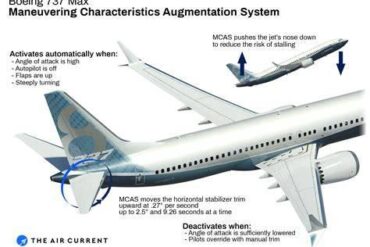
The Boeing 737 Next Generation (737NG) remains a cornerstone of commercial aviation, known for its reliability and consistent handling across a vast global fleet. In contrast to the 737 MAX, the 737NG was never fitted with the Maneuvering Characteristics Augmentation System (MCAS)—a system that became notorious following two tragic accidents involving the MAX. Understanding why the 737NG did not require MCAS demands a thorough exploration of its aerodynamic design, engine configuration, and evolutionary lineage within the 737 family.
The Design Evolution That Defined the 737NG
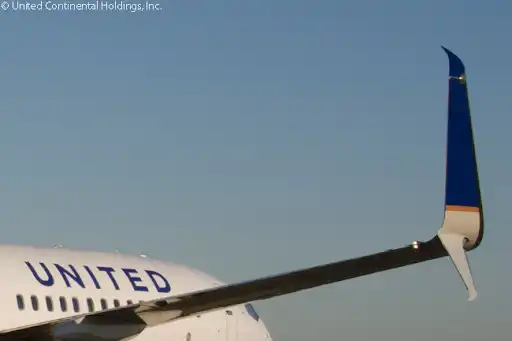
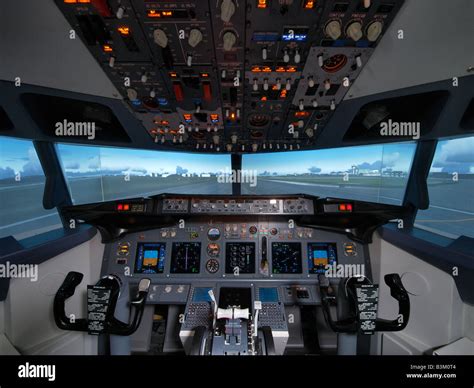
When Boeing introduced the 737NG series, comprising the 737-600, 737-700, 737-800, and 737-900 models, it represented a substantial step forward from the 737 Classic series. Although the 737NG brought a newly designed wing with increased span and area, as well as a refined flight deck, the essential aerodynamic characteristics remained consistent with prior generations. The choice of engines was central to this continuity.
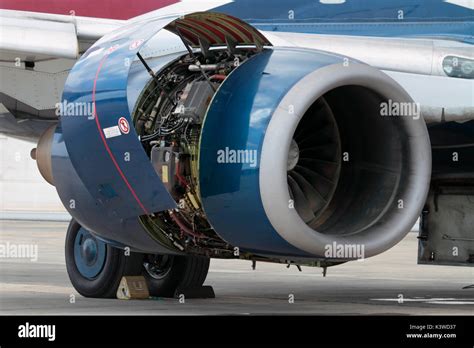
The 737NG was powered by the CFM56-7 engines—an advanced derivative of the CFM56 series that had already powered the 737 Classic. Despite internal improvements aimed at enhancing fuel efficiency and reducing noise, these engines maintained a similar external profile and nacelle configuration as their predecessors. This meant they preserved the aircraft’s established aerodynamics and center of gravity, key factors in ensuring familiar handling characteristics.
The Engine Factor: Why Size and Placement Matter
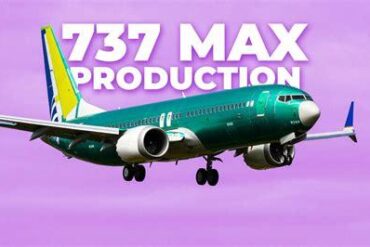
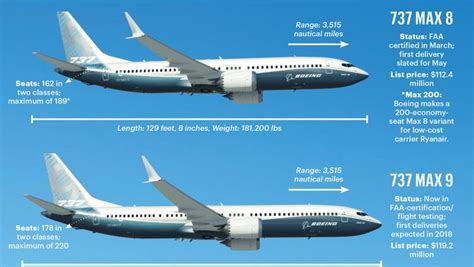
A defining challenge in the development of the 737 MAX was accommodating the larger, more efficient CFM LEAP-1B engines. These engines offered substantial gains in fuel efficiency but necessitated a forward and higher mounting position on the wing due to the 737’s low ground clearance. This adjustment shifted the aircraft’s center of thrust and altered its behavior at high angles of attack, creating a nose-up tendency that did not exist in the 737NG.
Conversely, the CFM56-7 engines on the 737NG were designed to fit within the existing engine placement envelope. Boeing had already resolved the low-clearance challenge in earlier 737 variants by flattening the bottom of the engine nacelles and relocating accessory components to the sides. As a result, the CFM56-7 maintained this form factor, eliminating any significant change to the aircraft’s aerodynamic behavior that would have required a compensatory system like MCAS.
Aerodynamic Consistency Across Generations
The aerodynamic philosophy guiding the 737NG’s design was one of incremental refinement, not radical change. Boeing engineers focused on enhancing performance without disturbing the fundamental flying qualities that pilots of earlier models were accustomed to. The 737NG’s new wing design provided greater fuel capacity and improved efficiency but did so without compromising stability or introducing undesirable pitch characteristics.
Unlike the 737 MAX, the 737NG’s structural changes did not create new aerodynamic forces that would warrant an automatic augmentation system. The aircraft’s natural stability across the flight envelope remained within the parameters that could be easily managed by trained pilots without additional software intervention.
Why MCAS Was Unnecessary for the 737NG
MCAS was specifically developed to counteract the pitch-up tendency of the 737 MAX in high angle-of-attack situations—an issue absent in the 737NG. The core reasons for this distinction include:
- Engine integration: The CFM56-7 engines did not require repositioning that would affect pitch stability.
- Fuselage-wing compatibility: The design changes between the Classic and NG preserved established aerodynamic harmony.
- Stabilizer design: The NG’s empennage and stabilizer surfaces were sized and configured to provide adequate control authority across all flight regimes.
The 737NG’s handling characteristics were thus considered sufficiently consistent with prior models, negating the need for a system like MCAS.
The Role of Certification and Training
One of Boeing’s primary goals in the design of both the 737NG and the later MAX was to maintain a common type rating across 737 generations. With the 737NG, this objective was met through careful engineering that allowed pilots to transition from the 737 Classic with minimal additional training. Since the NG did not introduce disruptive aerodynamic behaviors, no new automated systems were necessary to achieve this goal.
In contrast, the MAX’s altered aerodynamics compelled Boeing to seek a software solution—MCAS—to mask the handling differences and thereby limit the need for simulator-based transition training. This shortcut ultimately contributed to the tragic consequences that followed.
The Broader Context: Legacy Design Constraints
The 737 airframe, first introduced in the 1960s, inherently imposes design constraints that modern engineers must work around. The decision to continually upgrade the existing platform rather than design a clean-sheet replacement reflects both market pressures and economic considerations. The 737NG represented the most comprehensive evolution of the original design without overstepping these boundaries. Its updates were harmonized to avoid upsetting the certification basis or necessitating extensive pilot retraining.
By the time Boeing tackled the MAX, the drive for greater efficiency led to compromises that fundamentally changed how the aircraft behaved under certain conditions. The result was a requirement for MCAS to artificially restore the pitch handling profile expected by pilots trained on earlier models.
Looking Forward: Lessons from the 737NG and MAX Programs
The contrasting fates of the 737NG and 737 MAX underscore the importance of balancing technological advancement with uncompromised safety and transparent design practices. While the NG succeeded in delivering improved performance without undermining the pilot-aircraft relationship, the MAX illustrates the risks of relying on software to compensate for hardware-driven aerodynamic challenges.
Today’s aviation community continues to learn from these experiences. The MCAS system has been extensively revised, and rigorous regulatory oversight aims to prevent future oversights of this magnitude. The 737NG remains a testament to Boeing’s ability to evolve an aging design responsibly—a sharp contrast to the cautionary tale of the MAX.
Ultimately, as the industry looks beyond the 737, the lessons of the NG’s success and the MAX’s difficulties will shape the development of future aircraft that marry cutting-edge efficiency with uncompromised safety.