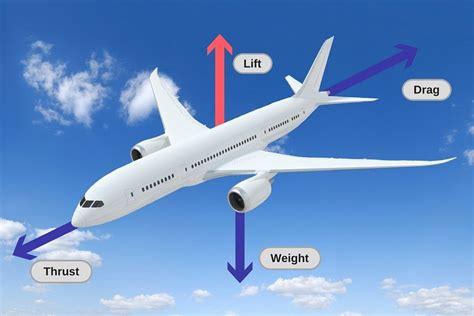
Understanding how high a plane flies is far more than a simple number. It encompasses aerodynamics, engineering design, atmospheric physics, regulatory boundaries, and strategic operational planning. The altitude an aircraft reaches directly influences fuel efficiency, flight safety, traffic management, and even passenger comfort.
Commercial aircraft, private jets, military planes, and experimental aerospace vehicles each operate at very different layers of the atmosphere, governed by their design specifications and mission profiles. To truly grasp aviation altitude, we must explore these layers in context and precision.
Typical Cruise Altitudes for Commercial Passenger Jets
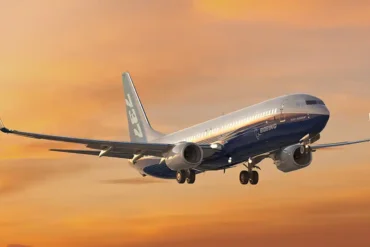
Most commercial airliners such as the Boeing 737, Airbus A320, or Boeing 777 cruise between 35,000 and 40,000 feet (approximately 10,700 to 12,200 meters). This range strikes a perfect balance between engine efficiency, atmospheric pressure, and operational flexibility.
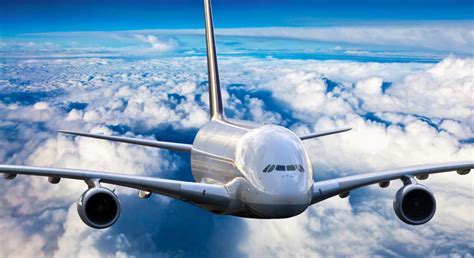
Aircraft like the Boeing 747 and Airbus A380, especially on long-haul international flights, often reach the upper bounds of this range. Their service ceiling—defined as the maximum altitude at which an aircraft can sustain level flight under standard air conditions—is typically 41,000 to 43,100 feet.
However, the actual cruising altitude depends on a dynamic set of variables:
-
Aircraft weight
-
Flight distance
-
Weather conditions
-
Air traffic control clearance
During long-haul flights, airliners may start at lower altitudes and gradually ascend to higher altitudes as fuel burns off and the aircraft becomes lighter. This step climb maximizes fuel efficiency.
Why Aircraft Cruise at These Altitudes
The 35,000–40,000-foot band is considered optimal because of the reduced air density, which leads to less aerodynamic drag. Less drag means lower fuel consumption. Additionally, at these elevations, aircraft can often fly above turbulent weather systems, resulting in smoother flights for passengers.
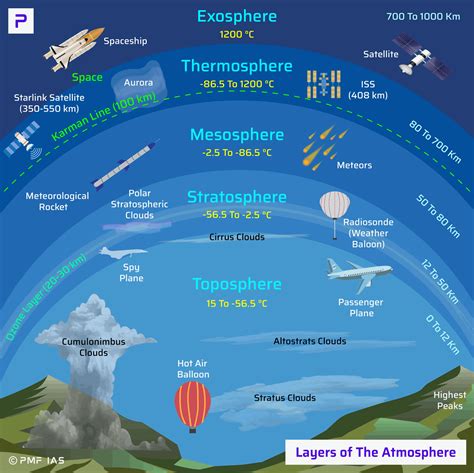
Engine performance also peaks in this range. Modern turbofan engines are engineered to operate most efficiently in thinner air, delivering the best thrust-to-fuel ratio when cruising in the lower stratosphere.
Altitude Range of Private Jets
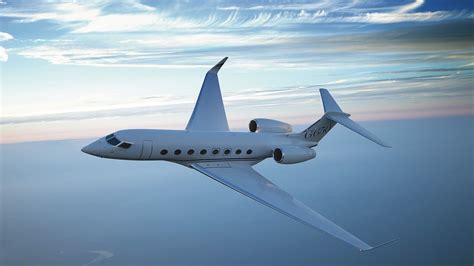
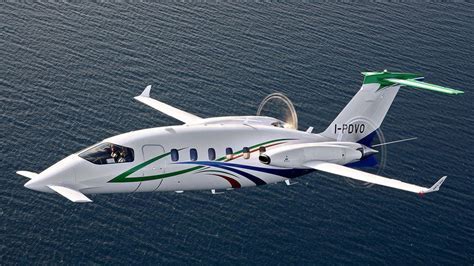
Private or business jets, such as the Gulfstream G650 or Dassault Falcon 8X, are engineered to operate at higher altitudes than commercial airliners. These aircraft routinely cruise at 45,000 to 51,000 feet.
Why do they fly higher?
-
Less air traffic: Above 45,000 feet, the airspace is significantly less congested.
-
Fewer weather disturbances: Flying above storm clouds ensures a smooth ride.
-
Operational efficiency: At high altitudes, the air is thinner, and jets can cruise faster and more efficiently.
Military Aircraft and High-Altitude Flight
Military aviation pushes altitude boundaries for both strategic advantage and operational necessity. Here’s a breakdown of notable examples:
-
Fighter Jets:
-
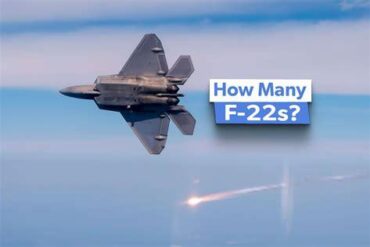
F-22 Raptor: ~65,000 feet
-
F-35 Lightning II: ~50,000 feet
-
Bombers:
-
B-2 Spirit and B-52 Stratofortress: ~50,000 feet
-
B-1B Lancer: ~60,000 feet
-
Reconnaissance Aircraft:
-
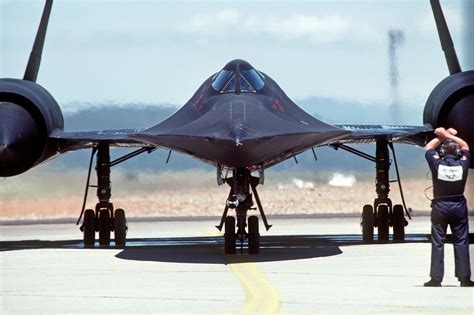
U-2 Dragon Lady: ~70,000 feet
-
SR-71 Blackbird (retired): Over 85,000 feet
These aircraft use high-performance engines, specialized pressurization systems, and classified flight technologies to sustain high altitudes.
Altitude of Other Aircraft Types
The altitude an aircraft flies depends largely on its engine type, design, and mission requirements.
-
Propeller-Driven Planes: Typically cruise below 10,000 feet, though some may reach up to 25,000 feet.
-
Helicopters: Normally operate around 2,000 feet, though they can ascend higher depending on design and mission.
These aircraft are generally limited by their oxygen requirements, engine capabilities, and structural design.
Engineering and Safety Considerations for High-Altitude Flight
There are strict limits to how high any aircraft can fly, and these limits are rooted in engineering, safety, and regulatory compliance.
Aircraft Structure and Materials
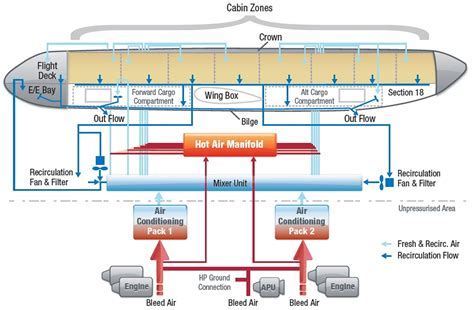
At high altitudes, temperatures can fall below -60°C (-76°F), and the air pressure drops dramatically. Aircraft materials must withstand these extremes. Cabin pressurization systems must operate flawlessly to ensure passenger and crew safety.
Pressurization and Oxygen Supply
In emergencies such as cabin depressurization, time is of the essence. Above 50,000 feet, the time of useful consciousness can be as little as 10 to 15 seconds. Regulations require that aircraft be able to descend rapidly to 10,000 feet in these situations.
System Capability and Certification
Every aircraft must undergo rigorous testing to be certified for a specific altitude range. These tests evaluate:
-
Engine thrust and stability at low air densities
-
Avionics performance
-
Emergency descent rates
-
Cabin pressure maintenance
Congestion and Air Traffic Control Dynamics
Airspace between 30,000 and 40,000 feet is heavily trafficked, especially along major commercial corridors. Modern Air Traffic Control (ATC) systems manage this congestion through structured flight levels, often assigned in 1,000-foot increments to maintain safe separation.
Private jets and some military aircraft, flying higher, avoid this congestion. They also often secure more direct flight paths, reducing fuel use and total flight time.
Record-Breaking Flights and Experimental Altitudes
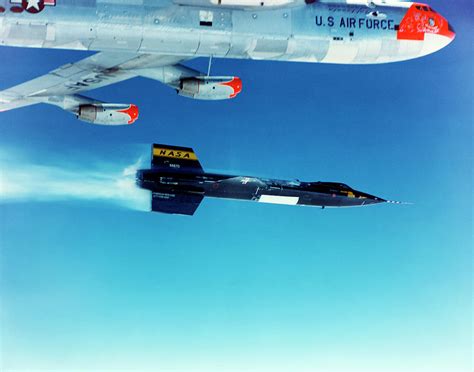
A few aircraft have broken traditional altitude barriers. The retired X-15 Rocket Plane reached heights exceeding 350,000 feet (106,680 meters), touching the edge of space.
Similarly, high-altitude UAVs like the RQ-4 Global Hawk can cruise at 60,000 feet, enabling broad-area surveillance while staying out of reach of conventional threats.
FAQ
What happens if a plane flies too high?
If a plane exceeds its service ceiling, it risks losing engine performance, experiencing unstable flight characteristics, and overwhelming its pressurization systems. Aircraft systems are not optimized for ultra-thin atmospheric conditions beyond their certified range, making it unsafe.
Why don’t commercial airliners fly higher than 43,000 feet?
Above this range, the efficiency gains diminish, and the risks multiply. Structural stress increases, oxygen requirements escalate, and rapid descent becomes more difficult. Regulatory and safety protocols thus restrict commercial jets to practical, thoroughly tested ceilings.
Can planes fly above the atmosphere?
Traditional aircraft cannot fly above the atmosphere. The stratosphere ends around 50 miles (264,000 feet), where there is not enough air for jet engines to function. Only rocket-powered vehicles like space shuttles or specialized aircraft like the X-15 can operate in this near-space zone.