Jet Fuel vs Diesel fuels may appear to serve completely distinct sectors, but their shared petrochemical roots and overlapping engineering applications warrant a closer inspection. As energy systems evolve and aircraft technologies become more adaptive, understanding the comparative intricacies of these fuels becomes more than academic—it is a foundation for innovation, safety, and optimization in both the aerospace and automotive industries.
The Origin and Composition of Jet Fuel
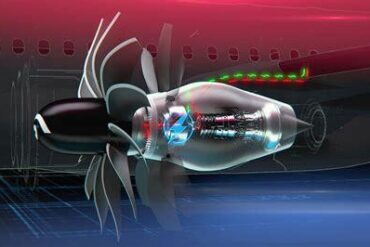
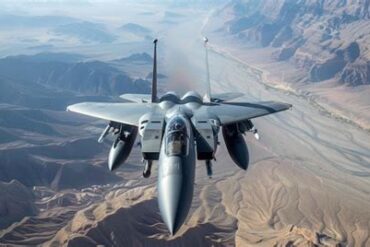
Jet fuel, commonly referred to as aviation turbine fuel (ATF), is formulated specifically for gas-turbine engines. These engines are prevalent in commercial and military aircraft worldwide. Jet fuel is not monolithic; it varies in types and characteristics depending on regional specifications, freezing points, volatility, and additive compositions.
Jet fuel is primarily a kerosene-based product, distilled from crude oil under precise conditions. It contains a mix of hydrocarbons (C9 to C16), and depending on the exact formulation, may appear colorless or pale yellow. Its composition emphasizes cleanliness, combustion efficiency, and high thermal stability, essential for operating in extreme altitudes and variable climates.
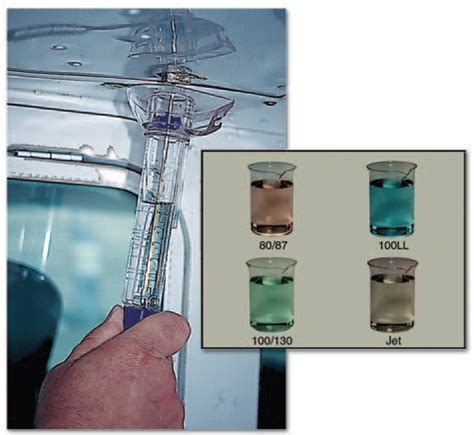
Common Jet Fuel Types
The industry primarily employs the following:
-
Jet A – Common in the United States, it has a freezing point of −40°C and is widely used in domestic air travel.
-
Jet A-1 – Used internationally, particularly in Europe and Asia, with a lower freezing point of −47°C, and contains anti-static additives.
-
Jet B – A naphtha-kerosene blend with a freezing point around −60°C, suitable for cold climates like Canada and Alaska.
-
TS-1 – Predominant in post-Soviet regions, featuring even greater volatility and lower flash points.
These fuels are regulated under strict ASTM D1655 and Def Stan 91-91 standards to ensure operational uniformity and aviation safety.
Diesel Fuel: Engineered for Compression Ignition
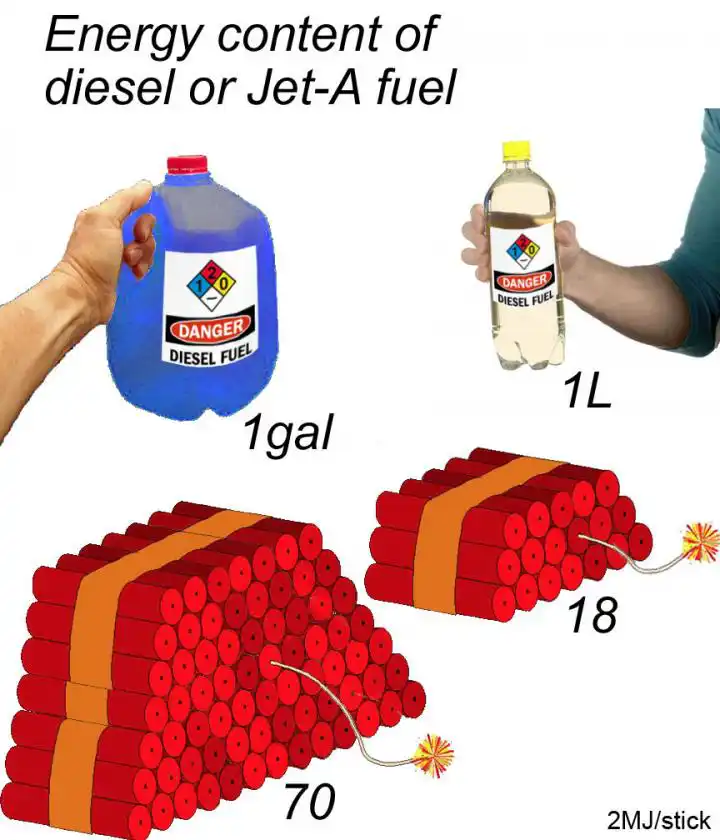
Diesel fuel, although derived similarly from petroleum distillation, is tailored for compression ignition engines. Its molecular weight range (C10–C22) is slightly heavier than jet fuel, leading to higher energy density per volume and enhanced fuel economy.
Diesel comes in various grades:
-
ULSD (Ultra-Low Sulfur Diesel) – Mandated in many countries for emissions control.
-
Marine Diesel (MDO/MGO) – For marine applications.
-
Biodiesel blends – Derived from vegetable oil or animal fat, used in both land and sea engines.
Cetane rating, an indicator of ignition delay, is a crucial diesel parameter. Most road diesel is formulated with a cetane number between 40–55, while jet fuel typically lacks a minimum cetane requirement, making it unsuitable for diesel engines without modification.
Key Differences in Performance and Usage
Despite sharing a common ancestral feedstock, jet fuel and diesel diverge significantly in application, specification, and compatibility.
Lubricity and Additives
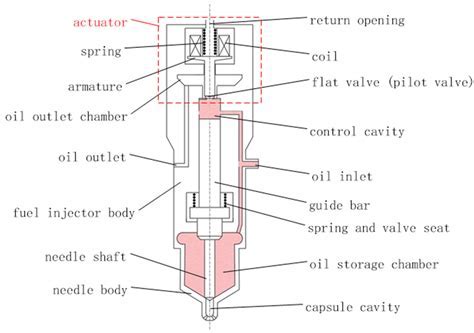
Jet fuel, particularly Jet A, is considerably “drier” compared to diesel. Diesel fuel contains lubricity enhancers to protect intricate engine components like fuel injectors and high-pressure pumps. Conversely, jet fuel lacks these additives, increasing the risk of premature wear when used in diesel engines.
Viscosity and Volatility
Jet fuel possesses lower viscosity and higher volatility, tailored for rapid atomization in turbine combustion chambers. Diesel, by contrast, is more viscous and burns more slowly, optimized for steady torque output in automotive and heavy-duty engines. This makes substituting one for the other mechanically inefficient and economically unwise.
Ignition and Combustion Dynamics
Jet engines rely on continuous combustion, where fuel is injected into a stream of compressed air and ignited. Diesel engines use compression ignition, where air is compressed and fuel is injected directly into the hot air. The disparity in combustion principles makes fuel interchangeability not only impractical but also potentially hazardous.
Cross-Usage: Possibilities and Pitfalls
While not recommended, jet fuel is sometimes used in diesel engines, especially within airport ground fleets. The logistical convenience of single-fuel infrastructure allows jet fuel to power ground support vehicles such as baggage carts, buses, and service trucks.
This usage is only viable under tightly controlled conditions:
-
Short operational lifespans for vehicles
-
Controlled maintenance schedules
-
Additives mixed into jet fuel to boost lubricity and reduce mechanical damage
Nevertheless, using jet fuel in diesel engines increases long-term wear, affects combustion timing, and leads to inefficient engine operation.

Diesel in Aircraft: A Historical and Technological Review
The idea of using diesel fuel in aircraft is not without precedent. In fact, pre-World War II aviation saw a number of aircraft powered by diesel engines, prized for their fuel efficiency, reliability, and low fire risk.
However, several drawbacks soon became apparent:
-
Lower power-to-weight ratio of diesel engines
-
Greater engine mass significantly reducing aircraft range and payload
-
Complex starting mechanisms and altitude limitations
As a result, diesel-powered aircraft were gradually phased out in favor of lighter, high-performance spark-ignition and turbine engines using specialized aviation fuels.
Modern Developments in Diesel Aviation
Recent technological advances have revived interest in diesel aviation engines, particularly for light aircraft and UAVs (Unmanned Aerial Vehicles). Manufacturers are exploring jet-diesel hybrid systems and certified diesel engines, offering better fuel economy for specific roles.
Yet, due to aviation certification standards, weight constraints, and fuel logistics, diesel remains a niche player in modern aviation. Commercial jetliners, including Boeing and Airbus fleets, continue to rely exclusively on Jet A or Jet A-1.
Environmental and Economic Considerations
Environmental regulation is shaping the future of both jet and diesel fuels. As the industry transitions toward decarbonization, both fuels are scrutinized for their carbon intensity, particulate emissions, and production impacts.
-
Jet fuel emits more CO₂ per liter due to its lower efficiency in turbine engines.
-
Diesel engines offer better fuel economy but are challenged by NOₓ and PM (Particulate Matter) emissions.
The rise of sustainable aviation fuels (SAFs) and renewable diesel reflects a growing imperative to reduce carbon footprints. While chemically similar to their fossil counterparts, these fuels are derived from biomass, waste oils, and synthetic processes, offering reduced lifecycle emissions.

Conclusion: Engineering Purpose Defines the Fuel
The fundamental differences between jet fuel and diesel fuel are shaped not just by chemistry but by application-specific engineering. From viscosity to ignition methods, environmental implications to historical trajectories, each fuel represents a tailored solution to a specific type of propulsion challenge.
In isolated cases, they may overlap. But more often than not, substituting one for the other carries risk, inefficiency, or regulatory barriers. As fuel technologies evolve, and alternative energy sources enter the arena, the comparative analysis between traditional fuels remains vital for informed design, compliance, and operational excellence.
Frequently Asked Questions (FAQs)
Can you run a diesel engine on jet fuel?
Yes, technically it is possible. However, jet fuel lacks the lubricity additives found in diesel, which leads to accelerated wear on fuel injectors and pumps. It’s occasionally practiced at airports under controlled circumstances, but it’s not recommended for regular use.
Why isn’t diesel used in commercial aircraft?
Diesel engines are too heavy for commercial aviation due to their low power-to-weight ratio. Jet engines offer higher thrust and better performance at high altitudes. Historically, diesel aircraft engines existed, but they were phased out due to weight and complexity.
Is jet fuel more expensive than diesel?
In general, jet fuel (especially Jet A-1) can be more expensive due to its refining process, stricter quality standards, and anti-static additives. However, prices fluctuate based on region, supply chain, and geopolitical conditions.