The drone industry in Connecticut (CT) has experienced considerable growth, with both recreational and commercial users expanding their operations across urban, suburban, and rural areas. However, as this expansion unfolds, so too has the necessity for a well-defined legal structure. Understanding Connecticut drone laws is essential not only for hobbyists but also for government agencies, businesses, and enforcement bodies. This article explores the nuanced regulatory framework, current developments, and regional enforcement efforts surrounding drone usage in the state.
Legal Landscape of Drone Operations in Connecticut
Connecticut adheres closely to federal standards laid out by the Federal Aviation Administration (FAA), particularly Part 107, which governs commercial drone operations. Additionally, the state has layered its own restrictions to account for public safety, environmental conservation, and national security. Drone laws in Connecticut serve as both a reflection of national policy and a localized response to emerging technology.
Recreational users, while not required to obtain FAA Remote Pilot Certificates, must still pass The Recreational UAS Safety Test (TRUST), a knowledge test mandated by the FAA. Moreover, operators are required to keep drones within their visual line of sight (VLOS) at all times.
For commercial operators, the expectations are higher. They must:
- Obtain a Remote Pilot Certificate from the FAA.
- Register each drone used for commercial purposes.
- Conduct pre-flight inspections and abide by operational limits like altitude and airspace restrictions.
- Acquire FAA waivers for flying beyond visual line of sight, over people, or at night without proper lighting.
State-Level Restrictions and Unique Legal Measures
While the FAA handles airspace and aircraft safety nationwide, Connecticut has enacted its own rules, especially concerning public spaces. According to CT.GOV, drones are prohibited in all state parks, forests, and wildlife management areas managed by the Department of Energy and Environmental Protection (DEEP) unless special authorization is granted.
This restriction protects both natural resources and public enjoyment of these areas. Violations can result in civil penalties, drone confiscation, or both. Moreover, municipal ordinances in cities like Hartford and New Haven may enforce additional constraints, including no-fly zones near schools, government buildings, and critical infrastructure.
One of the most recent legislative shifts includes a bill that bans state agencies and municipalities from purchasing or using drones manufactured in China or Russia. This act mirrors broader national concerns about cybersecurity and potential foreign surveillance. Brands like DJI, which dominates the global market, are directly impacted, prompting local agencies to seek U.S.-made alternatives like Skydio and Autel Robotics.
Drone Sightings: Surveillance or Suspicion?
Connecticut has seen a rise in reported drone sightings, especially in urban areas and near sensitive facilities. While many of these sightings are attributed to legal operations or even manned aircraft misidentified as drones, the concern remains persistent. In response, the Connecticut State Police and FAA routinely conduct investigations and share findings with local law enforcement.
For example, in one recent high-profile case near a power substation, an initially unidentified drone was discovered to be part of a sanctioned commercial inspection. Although there was no law broken, the incident triggered temporary lockdowns and public anxiety, underscoring the fine line between safety and suspicion in drone deployment.
Military and National Security Concerns
Drone technology, particularly with embedded cameras and remote capabilities, intersects with national security in increasingly complex ways. The Connecticut National Guard, along with homeland security operatives, have expressed concern about foreign-manufactured drones being utilized for surveillance or data harvesting purposes.
This concern culminated in the passage of Public Act 24-17, which formally prohibits any state-funded agency from acquiring or deploying drones built in countries deemed high-risk. These measures follow Department of Defense recommendations and encourage the shift toward vetted domestic suppliers.
Connecticut’s proactive approach may soon become a model for other states aiming to close loopholes that allow sensitive data to flow to potentially hostile entities.
The Role of Municipalities in Drone Governance
Municipal governments in Connecticut have the authority to impose additional restrictions beyond federal and state mandates. This has resulted in a patchwork of drone regulations that vary by city and township. While one locality may embrace drone-based traffic monitoring, another might restrict any form of surveillance from above.
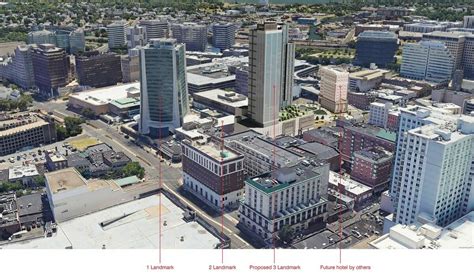
For instance, in Stamford, drone pilots are required to notify local authorities when planning to operate near high-rise developments, whereas Bridgeport mandates that drone activities near public schools be pre-approved by the Board of Education.
Such regional disparity, while reflective of community needs, poses challenges for pilots who fly across multiple jurisdictions. Calls for statewide standardization have intensified, particularly from the Connecticut UAV Pilots Association and drone mapping businesses.
Commercial Applications and Local Industry Growth
Despite regulatory hurdles, Connecticut’s commercial drone sector continues to flourish. Industries leveraging drones include:
- Construction: Progress tracking, volumetric analysis, and site planning.
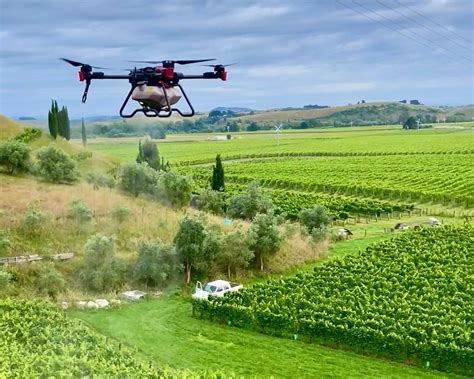
- Agriculture: Crop health monitoring, irrigation management, and pest detection.
- Emergency Services: Search and rescue, thermal imaging, and situational awareness.
- Media & Real Estate: Aerial cinematography and dynamic property tours.
Startups and drone service companies are now forming strategic partnerships with municipal governments, offering everything from infrastructure inspections to environmental monitoring. The rise of drone-as-a-service (DaaS) platforms has created job opportunities for FAA-certified remote pilots and data analysts statewide.
Training, Certification, and Education Initiatives
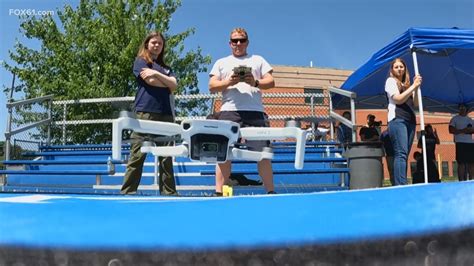
As the drone market matures, educational institutions in Connecticut have begun offering UAS (Unmanned Aircraft Systems) certification programs. Schools such as Central Connecticut State University and Norwalk Community College now include drone training in their tech curriculums, helping students meet the growing demand for skilled operators.
Courses typically include:
- FAA Part 107 exam preparation
- Drone safety and flight planning
- Geospatial data collection
- Post-flight data processing
Additionally, community organizations host public drone awareness sessions to promote responsible flying, especially among youth and first-time users.
Privacy and Ethical Considerations
As drones gain capabilities—such as facial recognition, long-range microphones, and automated surveillance patterns—privacy concerns are on the rise. While federal law prohibits using drones for voyeuristic or harassing purposes, enforcement often falls into gray areas.
The Connecticut General Assembly is currently debating additional statutes that would:
- Require public disclosure of surveillance drone programs.
- Mandate data retention limits for drone-acquired footage.
- Prohibit private use of drones for any unauthorized biometric data collection.
These discussions highlight the evolving nature of drone ethics. Balancing innovation with civil liberties remains a key challenge in policymaking.
What’s Next for CT Drones?
Connecticut is expected to be a leading voice in the East Coast’s development of a smart and secure drone ecosystem. With the integration of air traffic management technologies, geofencing systems, and inter-agency drone task forces, the future of unmanned aviation in the state looks both vibrant and vigilant.
As new technologies like AI-enhanced flight algorithms and autonomous drone fleets enter the commercial sphere, Connecticut lawmakers and stakeholders must remain agile. Continued collaboration between state legislators, federal authorities, industry leaders, and educational bodies is essential to ensure both economic growth and regulatory integrity.
Final Thoughts
Connecticut’s drone landscape is a microcosm of the national debate surrounding unmanned aerial systems—one where security, innovation, and regulation must coexist. As the state balances local priorities with federal directives, its evolving laws and practices serve as both a cautionary tale and a roadmap for responsible drone integration.
Understanding and adhering to these layered frameworks is critical for anyone operating a drone in Connecticut, whether for business, education, or recreation. Only through informed participation can we ensure that drones remain tools of progress, not sources of conflict.