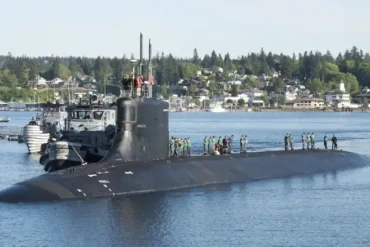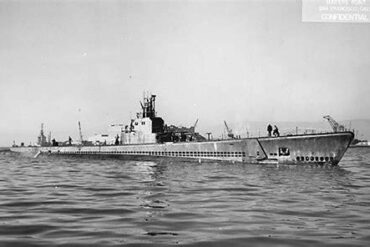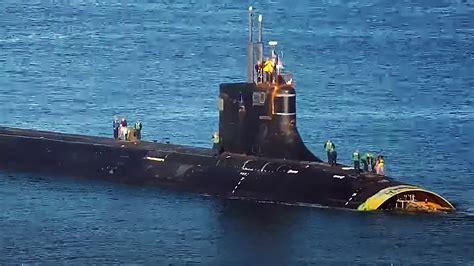
The USS Connecticut (SSN-22), a Seawolf-class nuclear-powered attack submarine, is slated to return to full operational status by late 2026 after undergoing extensive repairs due to damage sustained in a collision during a 2021 mission. This incident, which occurred in international waters in the South China Sea, severely damaged the submarine’s bow and ballast tanks, forcing it to surface and make its way to Guam, and later San Diego, before undergoing major repairs at the Puget Sound Naval Shipyard in Washington State. After over five years of inactivity, the submarine’s return to the fleet is critical, particularly as the US military faces growing pressure from China’s naval expansion in the Indo-Pacific region. This article delves into the submarine’s specifications, the repair process, and the strategic significance of its reactivation for the US Navy.
USS Connecticut: Seawolf-Class Design and Capabilities
The USS Connecticut is one of only three Seawolf-class submarines still in service, a class of vessels originally designed during the Cold War to outmatch all underwater threats of the era. Commissioned in December 1998, the Connecticut’s unique capabilities have made it one of the most formidable attack submarines in the world. The vessel features a submerged displacement of 9,137 tons and a length of 107.5 meters, giving it substantial size and range.
Powered by a 220 MW S6W nuclear reactor, the submarine can achieve speeds exceeding 35 knots while submerged, thanks to its pump-jet propulsor. This propulsion system is key to the Connecticut’s ability to operate stealthily and quickly, a trait crucial for outmaneuvering potential adversaries, including the growing fleet of Chinese submarines in the Pacific. Moreover, the Connecticut is equipped with advanced anechoic coatings to minimize its sonar signature, making it a highly covert asset for deep-water operations, including under Arctic ice.
In terms of armament, the USS Connecticut is equipped with eight 26.5-inch torpedo tubes, adapted to carry 21-inch weapons. This versatility allows the submarine to carry up to 50 munitions, including Mk 48 torpedoes, Harpoon anti-ship missiles, and Tomahawk cruise missiles, enabling it to engage surface targets and conduct precision land strikes. With these advanced capabilities, the submarine remains a crucial component of the US Navy’s carrier strike groups and anti-submarine warfare operations.
Repairs and Extended Downtime
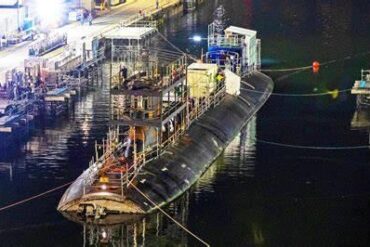
The damage sustained in the October 2021 collision led to a comprehensive repair and maintenance program under the Extended Docking Selected Restricted Availability (EDSRA) process. The submarine was initially scheduled to return to service by the fall of 2025, but delays have pushed the timeline to late 2026. As of now, it is undergoing repairs at Puget Sound Naval Shipyard & Intermediate Maintenance Facility, a facility that has seen increasing investment from the Navy to address the growing complexity of submarine maintenance.
The repair process has proven challenging due to the scarcity of Seawolf-class parts, as only three of these submarines were built before production ceased following post-Cold War budget cuts. The sonar dome, for example, has been particularly difficult to replace, as the parts are specific to the Seawolf-class design. In 2021, Congress allocated $40 million in emergency funding to address the immediate repair needs and an additional $10 million for a new bow dome. However, the total cost of these repairs remains undisclosed, although it is likely to be substantial.
Strategic Implications of USS Connecticut’s Return
The reactivation of the USS Connecticut is of paramount importance as it will help the US Navy maintain a critical edge in the Indo-Pacific region, particularly against China’s expanding naval capabilities. As China continues to enhance its submarine fleet and assert its influence in the South China Sea and beyond, the return of the Connecticut to active duty will provide the Navy with a powerful asset to counter these growing threats.
Notably, the USS Seawolf, the only other operational Seawolf-class submarine, is scheduled for an extended maintenance period beginning in April 2026, which will leave the USS Jimmy Carter as the only Seawolf-class submarine in service for a time. This gap highlights the US Navy’s reliance on its limited number of Seawolf-class submarines, which are considered some of the most advanced and capable vessels in its fleet. With SSN(X), the next-generation nuclear attack submarine, facing production delays and not expected until the early 2040s, the need for the Connecticut’s return is even more pressing.
Investigating the Collision and Command Failures
An investigation into the collision led by the US Navy’s 7th Fleet determined that the incident resulted from command failures and poor execution of essential tasks aboard the USS Connecticut. This lapse in leadership led to the dismissal of several high-ranking officers, including the Commanding Officer, Executive Officer, and the Chief of the Boat. Despite the setbacks, the Navy has continued to invest heavily in repairs and maintenance for the submarine, indicating its vital role in future operations.
The Navy’s focus on restoring the Connecticut’s operational readiness reflects its broader goal of maintaining a dominant submarine force in the Pacific. This commitment has been particularly evident in the Navy’s decision to allocate funding for the acquisition of an additional Seawolf-class bow dome, aimed at mitigating similar incidents in the future.
The Cost of Submarine Maintenance and Construction
The Connecticut, originally constructed at a cost of $3.1 billion in 1983, has seen its value increase significantly due to inflation. In 2025 dollars, the submarine’s cost now exceeds $10 billion. This high cost underscores the immense financial investment required to maintain and operate such advanced military assets. With the challenges associated with maintaining Seawolf-class submarines and the delays in building new ones, the US Navy faces increasing pressure to optimize its existing fleet.
The Future of the Seawolf-Class Submarine
The Seawolf-class was originally conceived during the Cold War as a countermeasure against Soviet submarines. Today, it stands as one of the most powerful and technologically advanced submarine classes ever built by the United States. However, with only three units in service, the class has become increasingly obsolete due to budget constraints and the Navy’s focus on developing newer technologies. The next-generation SSN(X) submarines are expected to fill this role, but their delayed production has left the Navy reliant on aging vessels like the Connecticut.
In summary, the USS Connecticut’s return to service is a key moment for the US Navy as it seeks to counter rising threats in the Indo-Pacific region, particularly from China. The submarine’s advanced capabilities, despite the challenges of its repair process, will play a crucial role in maintaining the US’s undersea superiority in the years to come. Its return will also highlight the ongoing struggle to maintain a modern and capable submarine force, given the limitations of the current fleet and the delays in developing new technologies.