More than eight decades after vanishing during one of the most intense periods of World War II, the USS Herring (SS-233) has finally been positively identified on the floor of the Pacific Ocean. The confirmation closes a long chapter in naval history and sheds new light on the fate of one of the United States Navy’s wartime submarines that disappeared during combat operations in 1944.
The discovery carries profound historical significance. For years, the final resting place of the submarine remained uncertain despite records documenting its loss near the Kurile Islands. The vessel’s identification not only resolves a longstanding mystery but also serves as a tribute to the 83 sailors who lost their lives aboard the submarine during its final mission.
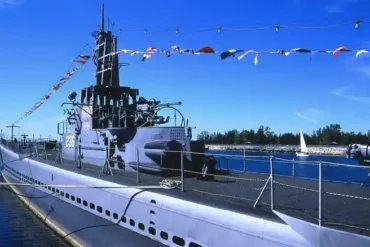
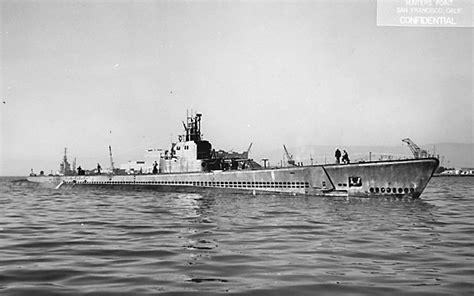
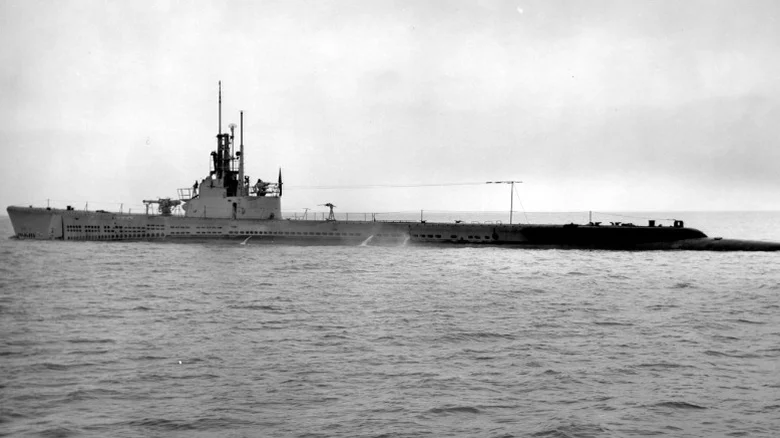
Commissioned during the height of World War II, the USS Herring was a member of the highly successful Gato-class submarine fleet, a class that played a critical role in disrupting Japanese shipping and naval operations across the Pacific. Throughout its service, the submarine completed numerous combat patrols and contributed to the broader Allied campaign that ultimately helped turn the tide of the war.
Discovery of the USS Herring Wreck
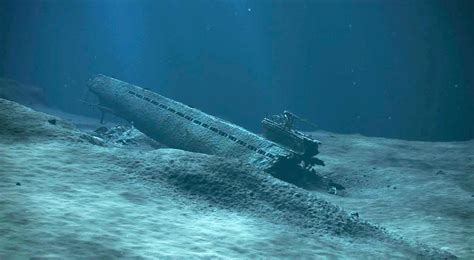
The journey toward confirming the submarine’s identity began in 2017, when members of the Russian Geographic Society and Russian military researchers located a heavily damaged shipwreck near Matsuwa Island, one of the islands in the Kurile chain. The wreck lay deep beneath the Pacific Ocean, resting silently after decades hidden from view.
Initial observations suggested the vessel could be the USS Herring. However, researchers needed additional evidence before making a definitive conclusion. Several years later, in 2022, investigators returned to the site to conduct a more detailed examination of the wreckage. During that expedition, they documented structural features and paid tribute to the American crew members who perished during the submarine’s final battle.
After reviewing the collected data, the Naval History and Heritage Command (NHHC) officially confirmed in 2026 that the wreck was indeed the USS Herring. Despite suffering catastrophic damage during combat, the submarine remains remarkably recognizable. According to investigators, the vessel sits upright on the seabed, preserving an important piece of World War II history beneath the waves.
The Wartime Career of USS Herring
The USS Herring was launched from Kittery, Maine, on January 15, 1942, and officially entered service on May 4 of the same year. Measuring 311 feet and 8 inches in length, the submarine represented the cutting edge of American underwater warfare technology during the early years of World War II.
Over the course of its operational career, the submarine conducted eight combat patrols across both the Atlantic and Pacific theaters. These missions were often lengthy, dangerous, and conducted far from friendly support. During its service, USS Herring successfully sank seven enemy vessels, contributing to the Navy’s campaign against Japanese maritime supply routes.
Its crew earned a reputation for determination and effectiveness in challenging conditions. Like many submarine crews of the era, they operated in cramped quarters while facing constant threats from enemy aircraft, warships, mines, and coastal defenses.
The Final Mission and Sinking in 1944
The submarine’s last voyage began on May 21, 1944, when it departed Midway to patrol waters surrounding the Kurile Islands. During the mission, USS Herring maintained contact with fellow submarine USS Barb, but communication ceased shortly afterward.
In the days that followed, the submarine achieved notable success. Historical records indicate that USS Herring sank the Japanese vessels Ishigaki and Hokuyo Maru during the night of May 30–31. On June 1, it added two more targets, Hiburi Maru and Iwaki Maru, to its wartime record.
Those victories, however, came at a devastating cost. Japanese coastal artillery stationed on Matsuwa Island detected the submarine and opened fire. Witness accounts from the period reported that two shells struck the submarine’s conning tower. The damage proved fatal. Water rapidly entered the vessel, and USS Herring disappeared beneath the surface, taking all 83 crew members with it.
A Lasting Memorial Beneath the Sea
The confirmation of USS Herring’s location transforms the wreck into more than a historical artifact. It stands as a war grave, preserving the memory of the sailors who never returned home. While the submarine will remain undisturbed on the ocean floor, its identification ensures that the sacrifice of its crew is formally recognized and remembered.
For historians, naval researchers, and the families connected to those lost aboard, the discovery provides long-awaited answers. More than 80 years after its destruction, the USS Herring has finally been found, securing its place in the enduring story of World War II and honoring the men who served aboard one of America’s lost submarines.