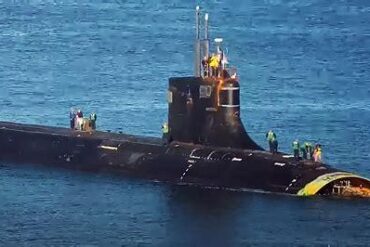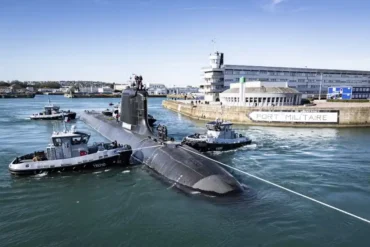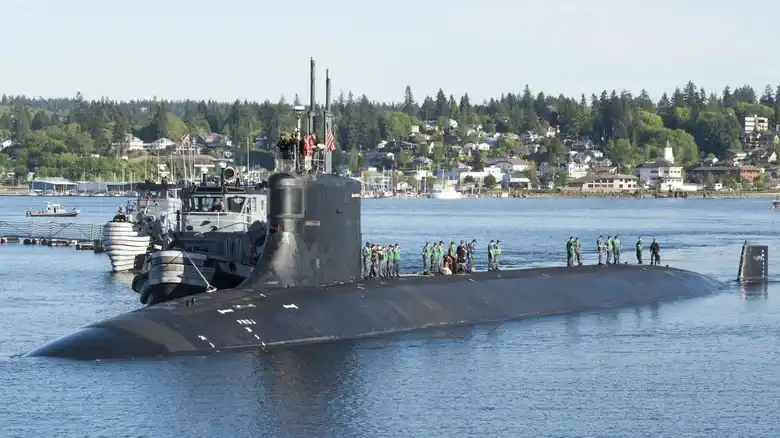
Almost five years after one of the most alarming submarine accidents in recent U.S. naval history, the U.S. Navy is preparing to return the USS Connecticut to operational service. The elite Seawolf-class fast-attack submarine has spent years undergoing extensive repairs following a devastating underwater collision in the South China Sea in October 2021. As the vessel approaches its return to duty, its story serves as both a cautionary tale and a testament to the resilience of one of the Navy’s most sophisticated underwater warships.
A Catastrophic Collision Beneath the South China Sea
The USS Connecticut was conducting a classified mission when disaster struck. While operating submerged in the South China Sea, the submarine collided with an uncharted underwater mountain. The impact instantly transformed a routine deployment into a life-threatening emergency, sending shockwaves through the vessel and injuring numerous crew members.
The collision was severe enough to damage critical systems throughout the submarine. Even more concerning, the force of the impact created conditions that threatened the vessel’s ability to safely return to the surface. Emergency procedures were immediately initiated as sailors worked to stabilize the submarine and assess the extent of the damage.
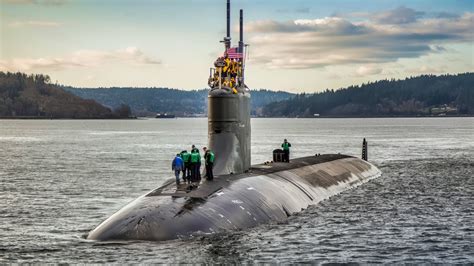
Despite the seriousness of the incident, the crew ultimately succeeded in bringing the submarine to the surface, preventing what investigators later suggested could have become a far greater tragedy.
Emergency Response Prevented an Even Worse Outcome
The aftermath of the collision revealed just how close the Navy came to losing one of its most valuable submarines. During efforts to recover from the impact, onboard equipment reportedly overheated and caught fire, creating additional hazards for the crew already dealing with extensive damage.
Eleven sailors suffered injuries during the incident. Subsequent Navy assessments indicated that the forces involved in the collision could easily have produced fatalities or even resulted in the total loss of the submarine. The successful emergency response demonstrated the professionalism and training of the crew under extremely challenging circumstances.
As investigators examined the damaged vessel, it became increasingly clear that multiple layers of failures had contributed to the accident, turning what should have been a manageable navigation challenge into a major operational crisis.
Navy Investigation Found Preventable Errors
A comprehensive Navy review concluded that the collision was preventable. Investigators identified shortcomings in navigation planning, watchstanding practices, operational oversight, and risk management procedures. Rather than a single mistake, the accident resulted from a combination of failures that accumulated during the submarine’s mission.
The findings carried significant consequences. The submarine’s commanding officer was relieved of duty, while numerous crew members were recommended for additional support and counseling following the traumatic event.
The investigation became an important case study within the submarine force, highlighting the importance of maintaining rigorous operational standards even aboard some of the Navy’s most advanced platforms.
An $80 Million Recovery Effort
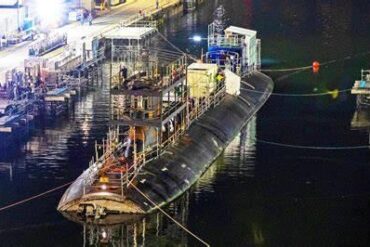
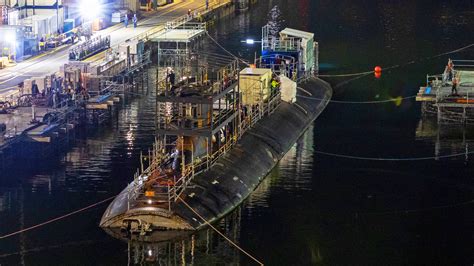
Following the accident, the USS Connecticut entered a lengthy repair period at Puget Sound Naval Shipyard on Naval Base Kitsap. The restoration effort reportedly cost approximately $80 million and required years of specialized work to return the submarine to operational condition.
The investment reflects the strategic value of the Seawolf-class fleet. Originally launched in 1997, the USS Connecticut remains one of the most capable attack submarines ever built, possessing exceptional stealth, speed, and undersea warfare capabilities that remain highly relevant in modern naval operations.
Its return will strengthen the Navy’s submarine force at a time when undersea competition continues to intensify across the Indo-Pacific region.
A Troubled History Approaches a New Chapter
The 2021 collision was not the only unusual episode in the submarine’s history. Over the years, the USS Connecticut has been associated with a series of unexpected incidents, including a pier accident in San Diego, a bedbug infestation, and even a rare encounter involving a polar bear.
Yet none of those events matched the severity of the South China Sea collision. With repairs nearing completion, the submarine now has an opportunity to redefine its legacy. Current Navy planning calls for the vessel to remain in service until 2031, although that timeline could be adjusted given the years lost during repairs.
As the USS Connecticut prepares to return to sea, its comeback represents both a hard-earned recovery and a reminder of the unforgiving environment in which submariners operate every day.