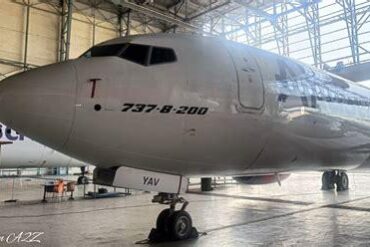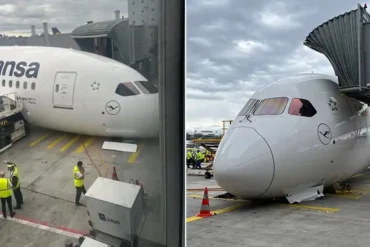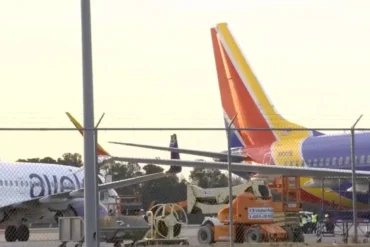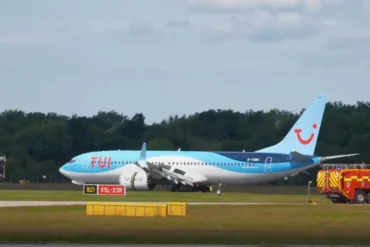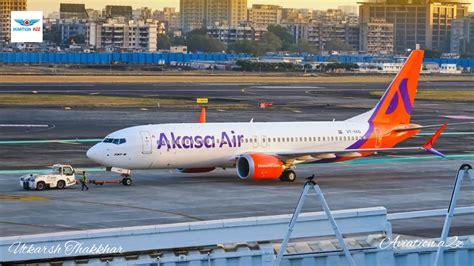
In a startling repeat of a recent aviation ground mishap, an Akasa Air Boeing 737 MAX suffered visible wing damage after a cargo truck collided with the parked jet at Mumbai’s Chhatrapati Shivaji Maharaj International Airport. This unsettling event occurred just days after a similar ground collision involving an EasyJet Airbus A320 at Paris Orly Airport, signaling a growing safety concern over airport ground handling procedures at some of the world’s busiest hubs.
Ground Safety Under Scrutiny After Akasa Air Incident
The Akasa Air aircraft was stationary with no passengers aboard when a contracted cargo truck struck the aircraft’s right winglet, denting and scraping the surface near sensitive aerodynamic components. Though there were no injuries reported, the aircraft was immediately withdrawn from service pending a full technical inspection.
This incident has not only interrupted operations at India’s newest low-cost carrier but has also sparked intense scrutiny regarding the safety of ground handling procedures—especially in busy, spatially constrained airports like Mumbai. The collision reflects a deeper vulnerability in India’s airside operational standards, raising alarms in the rapidly expanding aviation sector.
Third-Party Ground Handlers in the Crosshairs
Akasa Air confirmed that the vehicle involved was operated by a third-party contractor, not the airline’s own personnel. This common practice in the industry—outsourcing cargo and baggage handling to independent ground service providers—has once again been thrown into question.
In India, where ground traffic congestion is high and aviation safety infrastructure is racing to keep pace with growth, such collisions point to potential lapses in oversight, training, and vehicle navigation protocols. The Directorate General of Civil Aviation (DGCA) has launched a formal review of the incident, likely focusing on whether regulatory standards were breached and what corrective measures must follow.
EasyJet Airbus A320 Incident Echoes the Pattern
Nearly 4,000 miles away, a parked EasyJet A320 at Paris Orly Airport was hit by a ground services truck, damaging the aircraft and briefly suspending operations. Like the Akasa event, the EasyJet incident occurred while the aircraft was idle, with no passengers on board, and resulted in damage to the aircraft’s lower fuselage and the vehicle’s windshield.
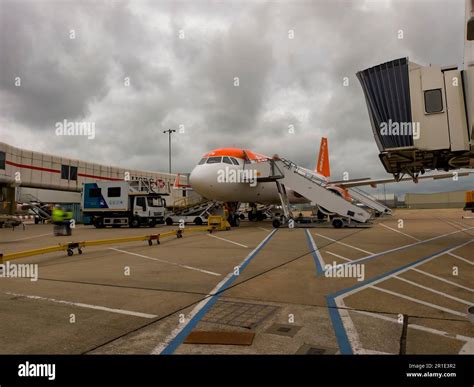
The common thread between both accidents—ground vehicle contact with stationary aircraft—has ignited a global debate on the adequacy of ground traffic management in major international airports. As aircraft increase in size and apron activity intensifies, human error, equipment failure, or poor coordination can lead to costly, dangerous outcomes.
The Hidden Dangers on the Tarmac
While passengers often associate aviation risk with in-flight emergencies, data increasingly shows that ground operations pose a significant hazard, especially during periods of heightened activity or infrastructural limitations.
The Akasa Air and EasyJet incidents illustrate the persistent risks even modern airports face:
- Tight apron space leading to compromised vehicle movement.
- Multiple third-party operators with varying safety standards.
- Increased aircraft frequency straining logistical infrastructure.
- Reliance on human-operated vehicles with minimal automated navigation support.
Historical Precedents and Escalating Severity
Though the Akasa and EasyJet cases resulted in no casualties, the aviation industry has seen far more devastating examples of ground collisions:
- Linate Airport, Milan (2001): An SAS MD-87 collided with a Cessna Citation in fog, killing 118 people and prompting major changes to European airport surface safety standards.
- Tokyo Haneda (2024): A Japan Airlines A350 collided with a Coast Guard Dash‑8, killing all on board the Dash‑8 and revealing gaps in runway traffic monitoring.
- Jakarta Halim Airport (2016): A Batik Air Boeing 737 hit a towed ATR-42 on the runway, causing substantial damage and sparking procedure overhauls in aircraft towing.
These examples serve as sobering reminders that even ground-level incidents can escalate into national tragedies when oversight fails.
Cost and Operational Fallout for Airlines
Aircraft collisions—no matter how minor—can lead to massive repair costs, logistical disruptions, and brand damage. Repairing winglets or control surfaces often requires manufacturer inspection, replacement parts, and regulatory clearance, delaying aircraft return to service.
Akasa Air, in its official statement, indicated no major flight delays or cancellations so far, thanks to fleet flexibility that allowed rerouting other aircraft. However, depending on inspection findings, extended downtime for the damaged 737 MAX could strain the airline’s tight summer schedule and raise operational costs.
Similarly, EasyJet has not disclosed the full extent of its aircraft’s repairs or its cost, but aviation analysts estimate that ground collisions cost airlines globally over $12 billion annually, factoring in insurance, labor, lost capacity, and reputational impact.
India’s Explosive Aviation Growth vs. Ground Realities
India is on track to become the third-largest aviation market, but this growth is testing the limits of existing airport infrastructure. Mumbai’s airport, with its dual-runway configuration and limited apron space, is frequently operating at near-capacity, leaving little room for error.
Akasa Air has built its brand around next-generation aircraft, punctuality, and reliability. But even the most advanced planes are vulnerable without equally modernized and disciplined ground systems.
The DGCA is reportedly considering tighter regulations around third-party vehicle operation, including mandatory driver certification, improved real-time vehicle tracking systems, and reduced speed zones in aircraft proximity areas.
Global Aviation Community Responds
The recurrence of these incidents has prompted global aviation stakeholders to revisit ground safety standards. European authorities are investing in AI-driven monitoring, proximity alarms for tarmac vehicles, and digital apron management tools.
Airports Council International (ACI) and the International Civil Aviation Organization (ICAO) have also urged airports to implement uniform safety audits and encourage collaboration between airport operators, airlines, and ground handling agencies.
Technologies being piloted at major airports include:
- Geofencing tools that restrict ground vehicles from entering aircraft paths.
- Ground radar systems that alert ATC and drivers of dangerous proximity.
- Wearable tech for ground staff to receive real-time alerts.
But despite tech solutions, safety culture remains paramount. Airlines and regulators alike stress the need for robust training, accountability, and communication among all ground personnel.
Rebuilding Confidence Through Transparency and Reform
Akasa Air’s swift response—initiating immediate technical checks and notifying regulators—has helped mitigate immediate fallout. However, the event could serve as a catalyst for a wider reckoning on ground safety protocols in India’s aviation sector.
The airline industry now faces a critical moment: continue expanding without addressing the growing pains of airside operations, or pause and invest in systems, training, and oversight that can sustainably support the skies of tomorrow.
As the DGCA prepares its findings, all eyes remain fixed on how India and other aviation markets respond. Because in modern aviation, safety doesn’t stop when the wheels touch the ground—it starts there.