Wing design plays a critical role in determining the aerodynamic stability and overall safety of an aircraft. Among the subtle yet powerful aerodynamic features incorporated into light aircraft is a phenomenon known as wing washout. This built-in wing twist may not be immediately visible, but it significantly enhances stall behavior and control responsiveness. In this article, we explore in depth how wing washout functions and why it is indispensable to aircraft stability.
What Is Wing Washout and How Is It Engineered?
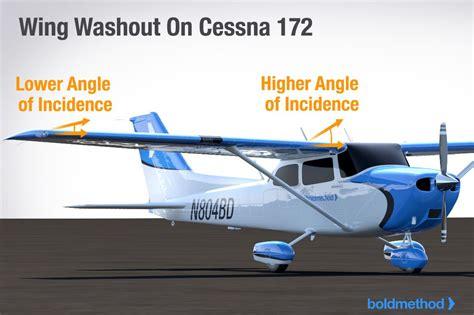
Wing washout refers to a deliberate twist built into the aircraft’s wing structure, where the angle of incidence is higher at the wing root and gradually decreases toward the wing tip. In practical terms, this means the root of the wing meets the oncoming airflow at a steeper angle compared to the tip. The purpose of this subtle twist is to affect how and when different parts of the wing enter a stall.
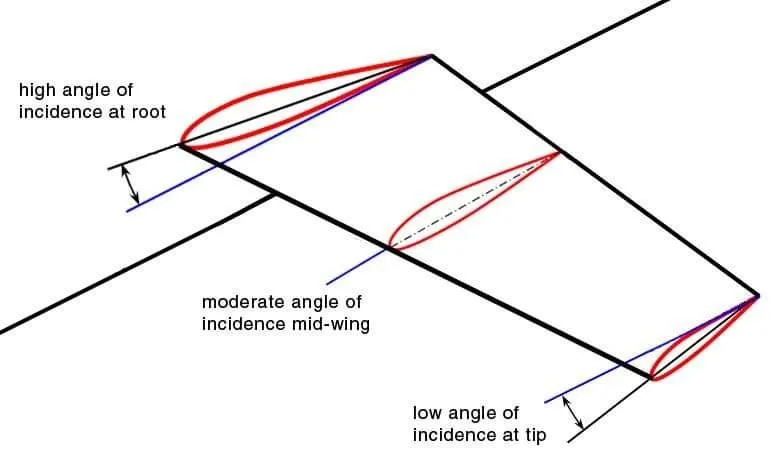
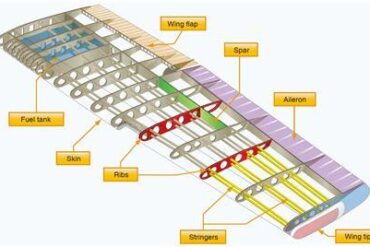
This is achieved during the manufacturing process by shaping the internal wing spars and ribs to hold different incidence angles along the wing span. The design must maintain structural integrity while precisely managing airflow patterns over the wing.
Why Wing Washout Improves Stall Characteristics
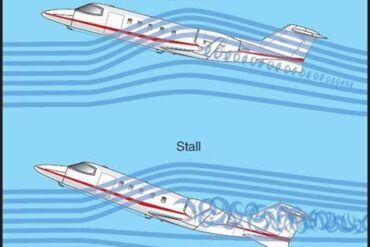
The fundamental benefit of washout lies in its influence on stall progression. When an aircraft approaches the critical angle of attack, the wing does not stall as a single unit. Instead, thanks to washout, the inboard (root) portion stalls before the outboard (tip) section. This stall sequence is crucial for several reasons:
- Retains aileron effectiveness: Ailerons are located near the wingtips. If these areas retain airflow longer during a stall, the pilot maintains some roll control.
- Prevents asymmetric tip stalls: Without washout, tip stalls could occur first, especially during a bank or when using ailerons. This often leads to wing drop, uncommanded rolls, or incipient spins.
- Enhances lateral stability: The aircraft remains more balanced and resistant to rolling disturbances during the stall, making recovery easier and more predictable.
In essence, wing washout helps prevent the kind of stall progression that can lead to sudden and dangerous aircraft behavior. By keeping the tips flying longer, the design creates a margin of safety during critical phases of flight.
How Washout Works at Different Angles of Attack
During normal, level flight, the entire wing produces lift efficiently. However, the root section always operates at a higher angle of attack than the tip due to the built-in twist. As the aircraft pitches up and approaches stall, the root will hit its critical angle first.
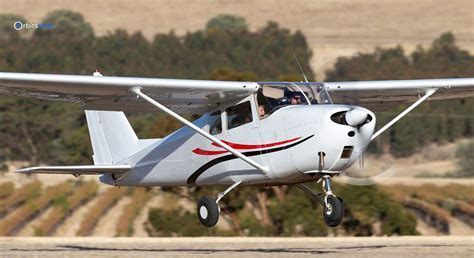
Imagine flying a Cessna 172, which has approximately 3 degrees of washout. If the root is flying at 7° angle of attack, the tip may only be at 4°. The result is a staggered stall progression — the inboard section begins to buffet and lose lift, while the tips remain aerodynamically clean.
This asymmetric stall control is not only safer but allows the aircraft to gently announce its aerodynamic limit without dramatic loss of control. It also buys the pilot time to recover.
Washout vs. Wash-In: Why Direction Matters
The term washout should not be confused with wash-in, which would involve the wingtips having a higher angle of incidence than the roots. Such a configuration would cause the tips to stall first — an aerodynamically hazardous situation.
This is why virtually every modern general aviation aircraft incorporates washout, not wash-in. The twisted design is subtle yet exacting. A few degrees make the difference between a predictable stall and a potentially catastrophic one.
Alternative Approaches: The Case of Cirrus Aircraft
Not all aircraft rely on physical wing twist alone to achieve the benefits of washout. Advanced composite aircraft like the Cirrus SR20 and SR22 implement what is known as a “double cuff” wing design. This configuration achieves the same goal using specialized airfoil shaping along the wing span.
The outer wing section on a Cirrus features a unique cuff that creates a lower effective angle of attack, mimicking traditional washout. In the event of a stall, the inboard wing sections separate airflow first, while the outboard cuffed portions maintain smooth airflow. This preserves aileron authority, prevents tip stalls, and enhances spin resistance.
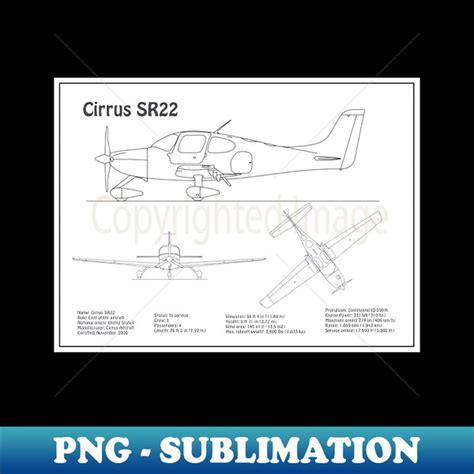
The Cirrus approach is an elegant solution, especially in aircraft made from composite materials, where wing twist may be more difficult to engineer structurally. Nevertheless, the goal remains the same: stall at the root, control at the tip.
The Role of Washout in Spin Prevention
Washout’s contribution to spin resistance cannot be overstated. Spins are aggravated when one wing tip stalls before the other, creating asymmetric lift and resulting in yaw coupled with roll. This dynamic sets off an uncontrolled spiral motion.
By stalling the root first, washout ensures that both tips continue producing lift during the early stall phase. The airflow over the ailerons stays relatively undisturbed, and any incipient rolling or yawing tendencies can be corrected with control inputs.
This design characteristic is one of the reasons light training aircraft like the Piper Cherokee or Cessna 172 are forgiving platforms for student pilots. The aircraft does its best to protect its occupants from entering an unrecoverable aerodynamic state.
How Much Washout Is Enough? Design Considerations
The exact degree of washout depends on multiple design parameters, including:
- Wing span and aspect ratio
- Flight envelope and stall speed
- Intended mission (trainer vs. high-performance aircraft)
- Airfoil section and wing loading
For example, while a Cessna 172 incorporates about 3° of washout, other aircraft may use slightly less or more depending on aerodynamic needs. Designers balance stall safety with performance tradeoffs. Excessive washout can slightly reduce maximum lift and climb performance, but for many general aviation aircraft, stability is prioritized over marginal performance gains.
Flight Training and Real-World Implications
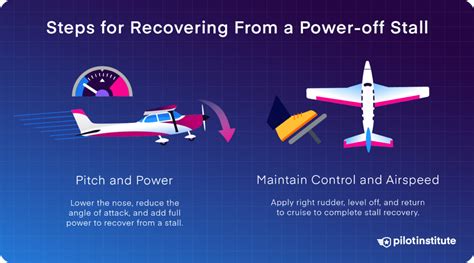
Pilots often experience the benefits of washout during stall training. A student in a well-designed aircraft will notice that during power-off or power-on stalls, the nose gently drops without one wing aggressively dipping. This subtle aerodynamic cue provides a clear signal without introducing dangerous roll moments.
Additionally, in banked or turning stalls, the presence of washout and retained aileron authority allows the pilot to correct with roll inputs — assuming proper rudder coordination is maintained. The design supports safety without replacing the need for good technique.
Beyond Light Aircraft: Washout in Larger and Faster Planes
While wing washout is especially critical in light aircraft and trainers, its principles extend to larger, faster aircraft as well. In high-speed jets, aerodynamic tailoring often includes twist and airfoil variation to manage stall margins and performance across different flight regimes.
In some swept-wing aircraft, twist is built not just for stall behavior but also to counter adverse yaw and optimize transonic performance. Even in large commercial airliners, subtle washout may be incorporated as part of a complex aerodynamic profile.
Final Thoughts: Washout as an Aerodynamic Guardian
Wing washout may not be glamorous, but it represents one of aviation’s most effective passive safety mechanisms. Through deliberate shaping and precise engineering, washout ensures that aircraft stall in a controllable, progressive, and pilot-friendly manner. It enhances stability, retains control authority, and minimizes spin risk — all with just a few degrees of built-in twist.
Whether you’re flying a classic Cessna, a modern Cirrus, or a high-performance composite aircraft, chances are that wing washout is quietly working in your favor, helping you keep the wings level when the critical moment comes.