
New Zealand’s epic landscapes, from volcanic plateaus to glacial fjords, inspire awe in every traveler. However, its allure is spread across two major islands — the North Island and the South Island — and choosing where to land can significantly impact the quality and efficiency of a trip, especially when time is limited. In this comprehensive guide, we explore the best airports to fly into based on your interests, travel time, and regional highlights.
Understanding the Geography of New Zealand Travel
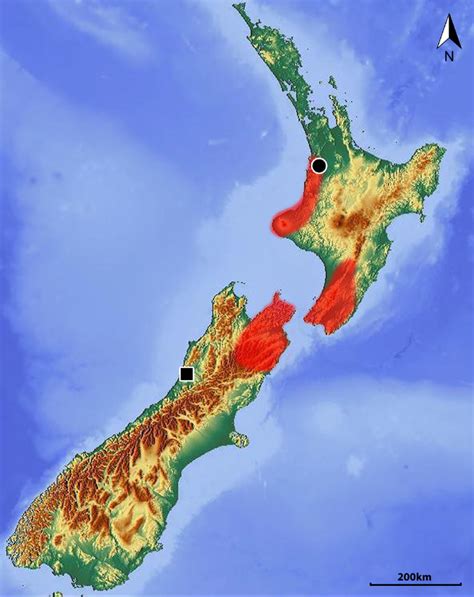
New Zealand may appear compact on the map, but its diverse terrain and narrow, winding roads make overland travel time-consuming. From Auckland in the north to Queenstown in the south, you’re looking at over 1,000 kilometers — a journey not to be underestimated when you have fewer than 10 days. For most travelers, especially those arriving from North America or Europe, the optimal strategy is to fly into one island and focus the entire itinerary there.
Flying into Auckland (AKL): The North Island Gateway
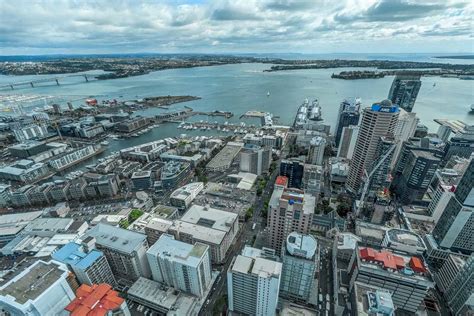
Auckland Airport (AKL) is New Zealand’s busiest and largest international hub. Nearly all international flights, especially from the U.S., Australia, and Asia, land here first. If your heart is set on exploring urban culture, geothermal wonders, and Maori heritage, the North Island offers a rich experience. Landing in Auckland makes logistical sense — but only if you plan to stay north.
From Auckland, you can quickly reach:
- Rotorua – bubbling mud pools, geysers, and cultural experiences.
- Waitomo Caves – famous for their glowworms.
- Bay of Islands – ideal for sailing and subtropical getaways.
- Waiheke Island – renowned for boutique wineries and scenic coastal walks.
However, the North Island lacks the dramatic alpine scenery that draws many to New Zealand. If your main goal is to witness iconic natural beauty, you’ll likely find the North Island lacking.
Flying into Queenstown (ZQN): The Adventure Capital of the South Island
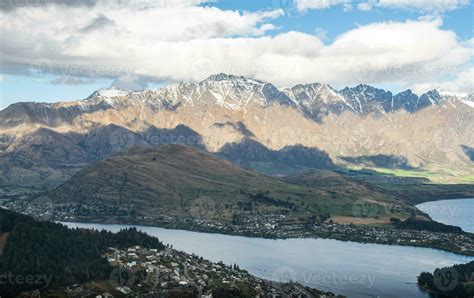
Queenstown Airport (ZQN) is the top recommendation for those seeking unmatched landscapes, adventure sports, and proximity to iconic national parks. Nestled on the shores of Lake Wakatipu and surrounded by snowcapped peaks, Queenstown offers easy access to Milford Sound, Fiordland, Wanaka, and more.
Why Queenstown Makes Sense for an 8-Day Itinerary:
- Minimal travel time between attractions – Day trips abound.
- Stunning alpine drives – Glenorchy, Wanaka, and Te Anau are all within 1-4 hours.
- Central Otago wineries – Among New Zealand’s finest for Pinot Noir.
- Milford Sound – Best accessed by bus tours or scenic flights directly from Queenstown.
If you’re flying from North America, you’ll likely arrive in Auckland first. However, Air New Zealand and Jetstar offer multiple daily flights from AKL to ZQN, making a smooth transition to the South Island possible.
Christchurch (CHC): South Island’s Versatile Hub
As the South Island’s largest city, Christchurch Airport (CHC) offers more flight availability, car rentals, and regional access than Queenstown. It’s also ideal for travelers interested in:
- Exploring the Canterbury Plains
- Driving across Arthur’s Pass to the West Coast
- Starting a road trip south to Mount Cook, Tekapo, Wanaka, and Queenstown
Many experienced travelers recommend flying into Christchurch and departing from Queenstown, or vice versa. This open-jaw strategy reduces backtracking and maximizes time on the ground.

Open-Jaw vs. Roundtrip: Choosing the Right Route
An open-jaw flight means flying into one city and departing from another. This works brilliantly for New Zealand, given its elongated geography.
Example Open-Jaw Itinerary:
- Fly into Christchurch
- Drive south via Lake Tekapo, Mount Cook, Wanaka
- End in Queenstown
- Fly out from Queenstown to Auckland, then home
Roundtrip Pros (e.g., Auckland–Auckland):
- Potentially cheaper flights
- Simpler logistics with fewer booking variations
Open-Jaw Pros:
- No need to backtrack across the same terrain
- Maximizes sightseeing efficiency
When to Skip Auckland Entirely
Despite being the main international gateway, Auckland often underwhelms visitors who are looking for raw, dramatic scenery. Locals and expats frequently advise skipping it entirely unless you are deeply interested in:
- Urban food culture
- Waiheke Island day trips
- Exploring the North Island’s volcanic plateau
Otherwise, spending time in Auckland can eat into your already limited vacation days without offering truly unique experiences. In fact, a growing number of experienced travelers recommend booking a domestic transfer flight immediately upon landing, continuing straight to the South Island.
Hidden Gems for Alternative Landings
For those looking to avoid large airports, regional entry points like Dunedin (DUD) or Nelson (NSN) can offer direct access to unique landscapes:
- Dunedin – Gateway to the Otago Peninsula and wildlife-rich coastlines.
- Nelson – Entry to Abel Tasman National Park, golden beaches, and sea kayaking.
However, these airports have limited international connectivity, often requiring a domestic leg via Auckland or Christchurch.
Flight Deals: When and Where to Look
Flight prices vary seasonally, and the best deals are often found 3-6 months in advance. Auckland will always have the most competitive fares, especially from North America. However, flights into Christchurch or Queenstown are increasingly affordable, especially during shoulder seasons (March–May and September–November).
Tips for Booking Smart:
- Use Google Flights to compare open-jaw vs roundtrip pricing.
- Book with Air New Zealand for a consistently high-quality experience.
- Consider Fiji Airways or Qantas for unique layover options.
- Always include baggage costs when comparing fares.
Final Verdict: Where Should You Fly Into?
If you have more than two weeks, exploring both islands might make sense. But for trips of 8–10 days, the smartest move is to choose one island and stay there. In most cases, that means flying into either Queenstown or Christchurch, and skipping Auckland altogether unless it’s unavoidable for international transit.
Recommended Itinerary for 8 Days (South Island Focus):
- Day 1: Land in Queenstown, explore town, gondola ride, lakeside stroll
- Day 2: Drive to Te Anau, overnight
- Day 3: Milford Sound day trip (bus or scenic flight)
- Day 4–5: Wanaka – hikes, wineries, lake time
- Day 6: Drive to Mount Cook via Lindis Pass
- Day 7: Lake Tekapo and stargazing
- Day 8: Depart from Christchurch
This route balances natural beauty, efficient logistics, and diverse experiences — from alpine hiking to gourmet food and star-filled skies.
FAQs
Q: Can I do both islands in 8 days?
A: Technically yes, but it’s strongly discouraged. You’ll spend more time flying and driving than enjoying your trip.
Q: Is Auckland worth a stopover?
A: Only if you’re interested in urban experiences or visiting friends and family. Otherwise, the South Island offers more for a short visit.
Q: What’s the best time to visit the South Island?
A: November to April provides the best weather, with long days and clear skies for hiking and sightseeing.
Q: Should I rent a car or fly between towns?
A: Renting a car gives you full flexibility and is the best way to explore the South Island’s scenic routes.
Q: What airline is best for domestic flights?
A: Air New Zealand consistently ranks high for comfort, service, and reliability within New Zealand.
Ultimately, where you fly into in New Zealand sets the tone for your entire trip. Choose wisely, plan tightly, and you’ll discover why this remote island nation continues to be one of the world’s most breathtaking travel destinations.