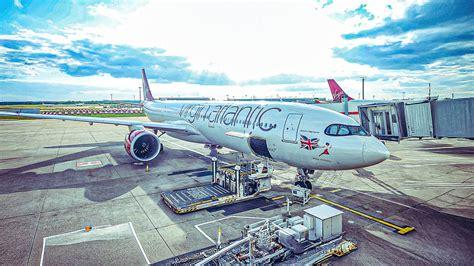
A Virgin Atlantic passenger bound for London was arrested at Miami International Airport (MIA) after U.S. Customs and Border Protection officers uncovered 65 pounds of marijuana hidden inside her checked luggage. The discovery has reignited conversations around drug trafficking through major international airports, while also casting a spotlight on Miami’s role in the global narcotics trade.
Arrest at Miami International Airport Uncovers Major Drug Smuggling Attempt
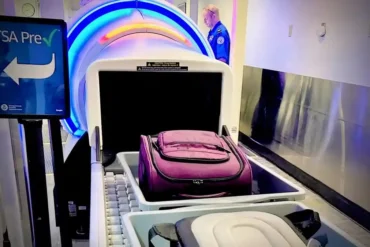
On a routine outbound screening at MIA, officers from the Customs and Border Protection (CBP) unit detected a strong, distinctive odor emitting from two hard-shell suitcases checked in by 22-year-old Begum Mulazimoglu, a London resident. The scent alone raised red flags, prompting a more thorough inspection.
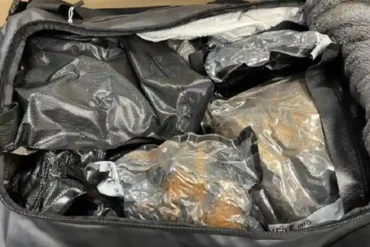
When the bags were X-rayed, the officers found an astonishing 60 vacuum-sealed bundles of marijuana, evenly distributed—30 per suitcase. The total weight of the narcotics came to 65 pounds (29.5 kilograms), a quantity that far exceeds any personal-use defense.
Inside both pieces of luggage, officers also found Apple AirTags, often used by traffickers to track and recover their illicit goods if they are misplaced or seized. In addition, Mulazimoglu was carrying approximately $1,000 in mixed U.S. and British currency, adding further suspicion to her motives.
Legal Consequences: Florida’s Strict Stance on Drug Trafficking
Although Mulazimoglu will not face federal charges, the State of Florida enforces a mandatory minimum sentence of three years for drug trafficking offenses, especially when it involves quantities of marijuana this significant. During her bond hearing, Miami-Dade Judge Victoria Sigler remarked, “It looks like you’re charged with illegal trafficking in 65 pounds of marijuana. Well, that would be heavy.”
The state’s zero-tolerance policy means Mulazimoglu could face far more than the minimum sentence, depending on how the case unfolds. Even though marijuana is decriminalized or legalized in several U.S. states, Florida remains firm on its prohibition—especially in trafficking cases.
Marijuana Smuggling: A Growing Pattern in Airport Incidents
This case is just the latest in a series of high-profile marijuana smuggling attempts through U.S. airports. Earlier in 2025, a woman was caught at San Francisco International Airport with 150 pounds of marijuana packed into carry-on luggage. Similarly, in 2019, a Southwest Airlines baggage handler received a 30-month sentence for using his access to help transport over 550 pounds of marijuana through LAX.
The key difference in Mulazimoglu’s case is the international nature of the smuggling attempt. Trafficking across national borders—especially using a commercial airliner like Virgin Atlantic—elevates the crime’s complexity and potential repercussions.
Evolving Airport Security Measures Are Closing the Gaps
CBP has rapidly modernized its detection methods over the past decade. Among the most impactful tools has been the International Remote Baggage Screening (IRBS) system, which allows agents to remotely inspect X-ray images captured at foreign airports. This method enables more efficient targeting of high-risk baggage even before it arrives in or departs from the U.S.
In fiscal year 2024 alone, CBP seized over 573,000 pounds (259,900 kilograms) of illicit drugs across U.S. borders—including major airport hubs. This includes substances like opioids and fentanyl, which remain among the most deadly and frequently trafficked drugs today.
Fentanyl, in particular, has prompted the development of new tools like trace-vapor detection systems, which use selective ionization chemistry to sense its presence in minute quantities. While marijuana detection often relies on more traditional X-ray and scent-based methods, it remains a primary concern in large-scale smuggling efforts.
Miami’s Long History as a Nexus for Narcotics
Miami’s connection to the drug trade is deep-rooted and multifaceted. Once a key node in the infamous cocaine corridor of the 1980s, the city continues to be a major entry and exit point for narcotics trafficking. The unique combination of proximity to the Caribbean and Latin America, along with its status as an international hub, makes MIA a critical chokepoint for authorities and traffickers alike.
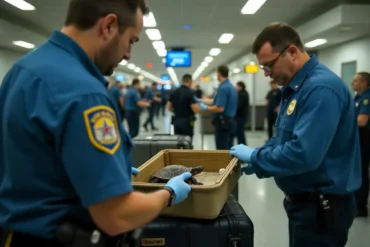
Drug enforcement operations at MIA are among the most stringent in the country. Officers are trained to detect smuggling patterns, from suspicious ticket purchases and travel histories to physical bag inspections and scent detection.
The Future of Drug Policy and International Trafficking
Although public sentiment around marijuana is evolving, with more U.S. states adopting legal frameworks for recreational use, international and interstate transport remains highly illegal. Florida’s failure to pass a 2024 recreational marijuana ballot initiative means that, for now, the state continues to enforce harsh penalties.
Mulazimoglu’s case serves as a stark reminder: transporting marijuana—even between places where it is legal—is still a serious criminal offense under federal and state laws. Inconsistencies between local, state, and federal cannabis laws often catch travelers off guard, but ignorance offers no protection.
Virgin Atlantic and Airline Response to Smuggling Cases
Virgin Atlantic has yet to issue a formal statement on the incident. Airlines typically cooperate with law enforcement but are not held liable for passenger conduct unless internal staff are found complicit. There is no current evidence suggesting the airline or its employees were involved.
This incident highlights the need for airlines to remain vigilant, possibly reviewing their own passenger-screening measures in coordination with local and international law enforcement agencies. The presence of Apple AirTags, while not inherently illegal, further underlines how technology is being repurposed by traffickers to monitor illicit shipments.
Closing Thoughts: High Stakes and Higher Vigilance
As the case proceeds through the Miami-Dade court system, Begum Mulazimoglu faces a difficult legal battle. Her arrest demonstrates the continued relevance of airport-based drug trafficking, even in an era of advanced screening and heightened awareness. With strict sentencing laws in states like Florida and the ongoing evolution of detection technology, traffickers are facing increased risk and dwindling success rates.
Authorities continue to adapt, but so do smugglers—making air travel one of the most contested spaces in the global war on drugs. For travelers, the message remains clear: what may seem permissible at home can carry devastating consequences abroad.