The aviation industry’s uncompromising stance on safety and compliance was thrust into sharp focus after an Air India pilot was deported from the United States following the discovery of marijuana in his personal baggage at San Francisco International Airport. The incident underscores a critical legal contradiction that continues to trap unsuspecting international travelers: while cannabis is legal in California, federal law still governs airport jurisdictions—especially for cross-border arrivals.
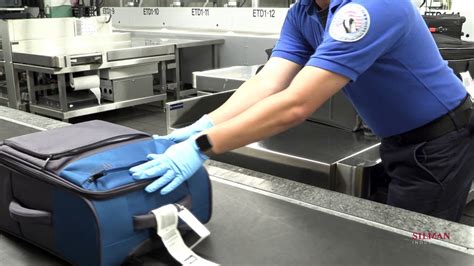
The pilot, traveling as a deadheading crew member on a long-haul flight from Delhi, was not on active duty but was scheduled to operate a subsequent service. His journey took an abrupt turn upon arrival when authorities identified the prohibited substance during routine checks. Despite testing negative for consumption, possession alone proved sufficient to trigger immediate enforcement action under U.S. federal law.
This case exposes a rarely discussed but crucial operational vulnerability in global aviation—the intersection of differing national drug laws and aviation compliance protocols. For airline personnel, even off-duty status offers no buffer against strict legal scrutiny.
Federal Law vs State Legalization: A Dangerous Misunderstanding
California’s legalization of marijuana often creates a false sense of security among travelers. Domestically, individuals can legally carry limited amounts. However, international entry points such as airports fall under federal jurisdiction, where marijuana remains classified as a controlled substance.
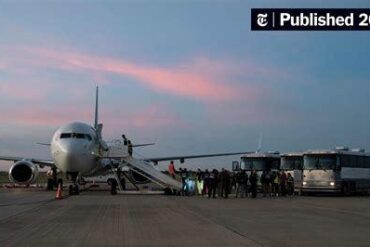
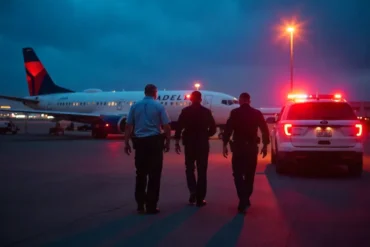
For the Air India pilot, this legal nuance proved decisive. Entering the United States from abroad with marijuana—regardless of quantity or intent—constitutes a violation of federal narcotics law. Authorities acted swiftly, deeming the individual inadmissible, resulting in deportation on the next available outbound flight.
This stark legal divide continues to catch even seasoned professionals off guard. Aviation crew, who frequently traverse multiple legal jurisdictions within days, face heightened risk if they fail to align with the strictest applicable laws rather than the most permissive ones.
Deadheading Crew: Operational Necessity, Legal Exposure
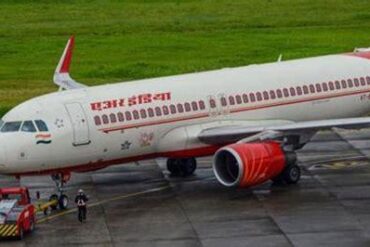
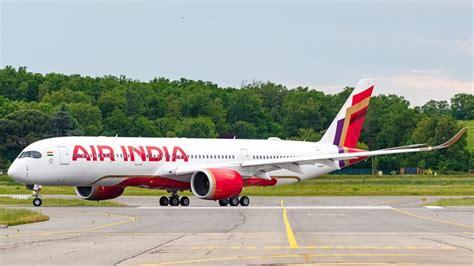
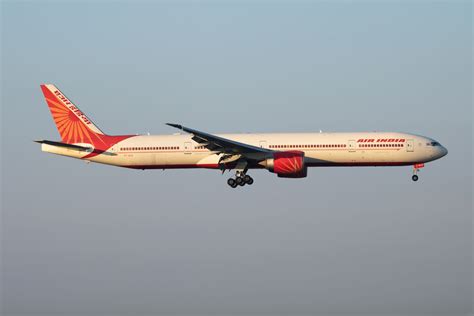
Deadheading is a routine yet essential airline practice. Crew members travel as passengers to reposition for future flights, ensuring operational continuity across global networks. In this case, the pilot had arrived on flight AI173 from Delhi and was expected to serve as co-pilot on a return segment.
The route itself is among Air India’s most strategically important long-haul services, linking India directly to the U.S. West Coast. Operated by the Boeing 777-300ER, the flight spans approximately 15 hours, crossing continents and oceans before descending into California.
Yet this operational necessity introduces a unique vulnerability. While deadheading crew are not actively flying, they remain subject to both airline regulations and international legal frameworks. Any breach—even unrelated to flight duties—can have immediate professional consequences.

Zero-Tolerance Policy: Air India Responds Swiftly
Air India’s reaction was unequivocal. The airline reiterated its zero-tolerance policy toward drug-related violations, emphasizing that safety and regulatory compliance remain non-negotiable pillars of its operations. Internal disciplinary proceedings are expected, with outcomes likely to align with both corporate policy and regulatory oversight.
The matter has also been reported to the Directorate General of Civil Aviation, India’s aviation watchdog. This introduces an additional layer of scrutiny, as the pilot may face regulatory consequences beyond airline discipline.
Airlines operate under intense global oversight, where even isolated incidents can influence public trust and regulatory perception. Swift action, therefore, is not just procedural—it is reputational defense.
The Broader Aviation Context: Compliance Over Convenience
This incident arrives at a time when airlines are already navigating complex operational challenges. Air India’s North American routes, including San Francisco services, have experienced scheduling adjustments due to geopolitical disruptions affecting flight paths.
Despite these pressures, the airline’s response highlights a fundamental truth: compliance cannot be compromised, regardless of operational strain. The aviation sector operates on layered trust—between regulators, airlines, crew, and passengers. Any breach, however minor it may seem, threatens that ecosystem.
The case also draws parallels to broader enforcement trends. Aviation authorities worldwide, including the FAA, have intensified scrutiny on crew compliance, particularly concerning substance use and possession. The margin for error has effectively been reduced to zero.
A Costly Miscalculation with Lasting Consequences
For the pilot involved, the consequences extend far beyond immediate deportation. Professional reputation, licensing status, and future employability now hang in the balance. In an industry where precision, discipline, and trust define careers, even a single lapse can prove irreversible.
The situation serves as a cautionary tale not just for aviation professionals but for all international travelers. Legal awareness must extend beyond destination norms to include entry regulations, federal laws, and jurisdictional nuances.
In the final analysis, this was not merely a case of possession—it was a collision between assumption and regulation, where misunderstanding carried immediate and unforgiving consequences.