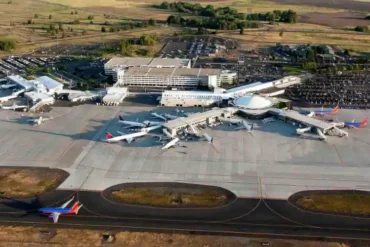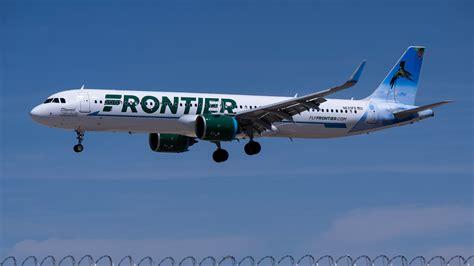
Locals in Spokane, Washington, say the sudden disappearance of Frontier Airlines from Spokane International Airport (GEG) has created confusion and frustration after the ultra-low-cost carrier reportedly ended service with little warning. While the airline confirmed that it made a business decision to leave the market, residents and airport workers allege the departure unfolded so quietly that many travelers and even frontline employees had no idea they were witnessing Frontier’s final day of operations.
The unexpected exit marks another setback for travelers seeking affordable airfare from eastern Washington. Frontier had built a reputation for offering budget-friendly nonstop flights, particularly to Denver International Airport (DEN) and Phoenix Sky Harbor International Airport (PHX). With those routes now discontinued, passengers looking for lower fares have fewer choices, forcing many to consider alternative airlines or connecting itineraries that may come at a higher cost.
According to accounts shared by individuals familiar with airport operations, Frontier’s withdrawal happened with remarkable speed. Employees reportedly received only about 48 hours of notice before being instructed to dismantle ticket counters, remove self-service kiosks, and take down airport signage identifying the airline. Travelers arriving at the terminal allegedly found little indication that the carrier was preparing to leave the airport permanently.

Spokane Residents Question the Timing of Frontier’s Exit
For many Spokane residents, the biggest issue is not simply that Frontier chose to leave the market, but how the departure was handled. Locals argue that ending service at the beginning of the busy summer travel season makes little practical sense, particularly when vacation demand typically reaches its highest levels.
Several residents expressed concern that passengers departing Spokane on Frontier may not have realized they would be unable to book return flights with the airline. That uncertainty has fueled criticism from community members who believe better communication could have minimized disruption.
The airline’s alleged lack of public visibility surrounding its final operations has become one of the central talking points. Airport users say they expected a formal announcement or advance notice that would allow travelers to make alternative arrangements instead of discovering the changes only after arriving at the airport or attempting to book future flights.
Frontier Confirms Market Exit but Cites Business Conditions
Frontier Airlines acknowledged that it has ended service at Spokane International Airport, describing the move as a difficult business decision driven by market demand and broader network considerations.
According to the airline, passenger demand and current market dynamics no longer supported continued operations at the airport. Frontier also emphasized that it regularly evaluates every destination in its network and may reconsider returning if future conditions improve.
The explanation aligns with the airline’s broader strategy of continually adjusting routes based on profitability rather than maintaining service in markets that fail to meet financial expectations. As an ultra-low-cost carrier, Frontier frequently shifts aircraft to routes producing stronger passenger demand and higher revenue potential.
Spokane Loses Two Key Frontier Routes
Frontier’s departure eliminates nonstop flights connecting Spokane with both Denver and Phoenix, two important western hubs that served leisure and connecting travelers alike.
Passengers traveling to Denver now rely primarily on United Airlines and Southwest Airlines, while travelers heading to Phoenix continue to have options through American Airlines and Southwest Airlines. Although these routes remain available, Frontier’s absence removes one of the region’s most affordable fare competitors.
The reduction in competition may influence airfare pricing over time, particularly during peak travel periods when low-cost carriers often help restrain ticket prices across competing airlines.
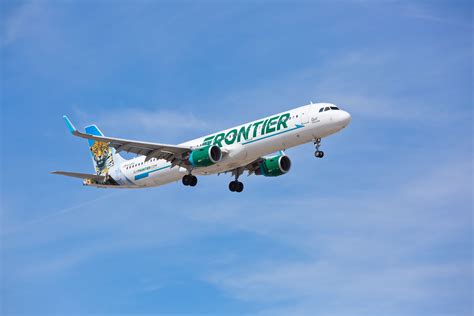
Competition Was Fierce at Spokane International Airport
Frontier never established a dominant position at Spokane International Airport, operating within a competitive environment led by much larger carriers.
Southwest Airlines currently accounts for roughly 22.7% of airport operations, making it the largest airline serving Spokane. Regional operator SkyWest Airlines follows with approximately 18%, operating flights on behalf of multiple major carriers. Delta Air Lines and Alaska Airlines also maintain significant market shares, while Horizon Air contributes another substantial portion of scheduled operations.
With seven airlines collectively serving more than twenty destinations, Spokane remains a healthy regional airport despite Frontier’s departure. However, Frontier’s unique role as an ultra-low-cost carrier gave travelers an additional pricing option that competitors do not always match.
Employees and Travelers Reportedly Had Little Warning
Perhaps the most surprising allegation surrounding Frontier’s exit is that many airport employees allegedly did not realize a scheduled arrival and departure represented the airline’s final service.
Reports indicate that Frontier Flight 3357 completed what became the carrier’s final Spokane operation before staff began removing physical signs of the airline’s presence inside the terminal. By the end of the process, ticket counters, branding, and kiosks were reportedly being dismantled, leaving little evidence that Frontier had recently served the airport.
Some airport observers also noted that Frontier had independently managed wheelchair assistance at Spokane, a service arrangement that distinguished it from several other airlines operating at the airport. If accurate, those responsibilities will now require operational adjustments following the carrier’s withdrawal.
Frontier’s Spokane Exit Reflects a Broader Network Strategy
The Spokane withdrawal is not an isolated decision. Frontier has recently undertaken a significant restructuring of its route network, exiting several cities while suspending numerous additional routes as it reallocates aircraft toward markets producing stronger financial returns.
Among the destinations affected are Corpus Christi, Knoxville, Sarasota, St. Maarten, San José, Costa Rica, and Spokane. The airline has increasingly demonstrated a willingness to enter and exit markets quickly whenever demand no longer justifies continued operations.
Industry analysts note that this flexibility is common among ultra-low-cost carriers, whose business models depend heavily on maximizing aircraft utilization and avoiding underperforming routes. While these adjustments may improve operational efficiency, they can leave local communities disappointed when service disappears with relatively short notice.
Spokane Continues Looking Ahead Despite Frontier’s Departure
Although Frontier Airlines has ended its Spokane operations for now, Spokane International Airport remains one of Washington state’s busiest airports, serving as the primary aviation gateway for the Inland Northwest. The airport continues to offer an extensive network through multiple major carriers, ensuring travelers retain access to destinations across the United States.
Still, Frontier’s departure represents the loss of an important low-cost competitor that many local travelers valued. Whether the airline eventually returns will depend largely on future passenger demand, competitive conditions, and the carrier’s evolving network priorities. Until then, Spokane passengers seeking the lowest available fares will have fewer options, making Frontier’s quiet exit a memorable chapter in the airport’s continuing evolution.