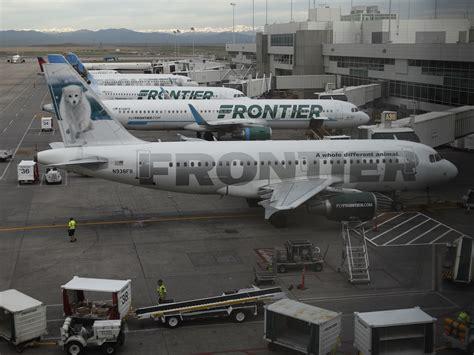
A Frontier Airlines flight preparing to depart from Orlando International Airport became the focus of a safety investigation after a mysterious cabin odor caused several passengers to feel unwell, leading to three individuals being transported to local hospitals for treatment. The incident occurred on May 30 while the aircraft was taxiing for departure, prompting the flight crew to halt the journey and return to the gate as a precautionary measure.
The event highlights the aviation industry’s strict approach toward unusual smells, smoke reports, and potential air-quality concerns inside aircraft cabins. While the exact source of the odor has not yet been identified, aviation experts note that even seemingly minor cabin abnormalities are treated with significant urgency because of the potential impact on passenger health and flight safety.
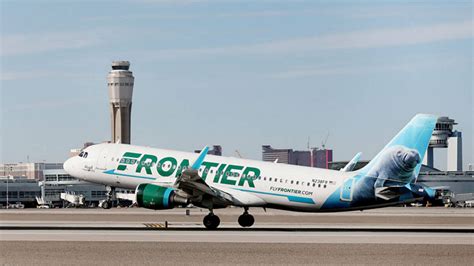
According to reports from Orlando, the Frontier aircraft had already completed boarding and begun taxiing away from the gate when crew members detected an unusual smell inside the aircraft. Recognizing the potential risk, the pilots elected to discontinue the departure process and return to the terminal for further evaluation. Such decisions are consistent with airline safety protocols, which prioritize the well-being of passengers and crew over operational schedules.
Frontier Flight Returns to Gate as Medical Teams Respond
Once the aircraft arrived back at the gate, emergency personnel, airport medics, and first responders quickly boarded or met the aircraft to assess the situation. Reports indicate that seven passengers required medical evaluation following exposure to the unidentified odor.
Of those seven individuals, three passengers were transported to nearby hospitals for additional treatment and observation. Authorities have not publicly disclosed the severity of their symptoms, and no official information has been released regarding their current condition.
The rapid response demonstrated the coordinated emergency procedures that exist at major airports such as Orlando International Airport. Medical teams are trained to respond immediately whenever passengers or crew report symptoms potentially linked to environmental hazards onboard an aircraft.
Frontier Airlines has not yet provided a detailed public explanation regarding the cause of the incident. Maintenance teams were expected to conduct a comprehensive inspection of the aircraft before it could return to service.
Investigation Focuses on Potential Source of the Odor
At the center of the investigation is the question of what produced the unusual smell that reportedly affected passengers onboard. As of now, airport officials and Frontier Airlines have not identified a confirmed source.
In aviation, mysterious cabin odors can originate from several different systems. One possibility involves engine oil or hydraulic fluid entering the aircraft’s ventilation system. Another potential source may involve overheating electrical components or other mechanical byproducts that create noticeable smells when circulated through cabin air-conditioning systems.
Aircraft cabins rely on sophisticated environmental control systems that continuously supply fresh air throughout the flight. If contaminants enter these systems, unusual odors may spread rapidly through passenger compartments and cockpit areas.
Although many odor events ultimately prove harmless, aviation professionals are trained to assume the possibility of a more serious issue until inspections determine otherwise. This cautious approach helps reduce risks and ensures aircraft remain compliant with safety regulations.
Could the Incident Be Classified as a Fume Event?
One of the key questions surrounding the Orlando incident is whether it will eventually be categorized as a fume event.
A fume event occurs when contaminated air enters an aircraft’s environmental control system and circulates through the cabin or cockpit. These events can involve engine oil, hydraulic fluids, or other chemical substances that generate unusual smells, visible haze, or health symptoms among passengers and crew.
While investigators have not yet confirmed that a fume event occurred aboard the Frontier aircraft, the circumstances have led aviation observers to consider the possibility. The symptoms associated with such events can vary significantly depending on the type and concentration of contaminants involved.
Passengers exposed to contaminated cabin air may experience eye irritation, throat discomfort, headaches, dizziness, nausea, coughing, or respiratory issues. In more serious situations, neurological symptoms can also occur, making prompt medical evaluation essential.
Flight attendants and pilots receive specialized training to recognize warning signs associated with cabin air contamination. Immediate reporting and rapid decision-making are critical because cockpit impairment could affect operational safety if exposure impacts flight crews.
Similar Frontier Incident Raised Concerns Last Year
The Orlando event is drawing additional attention because Frontier Airlines experienced another unusual odor incident approximately one year earlier.
In that case, a Frontier Airbus A321 operating a flight from Orlando to San Juan, Puerto Rico, was forced to return shortly after departure when an unusual odor was detected onboard. Although passengers were not reported injured during that occurrence, four Frontier flight attendants sought medical treatment following the event.
The similarities between the two incidents have prompted renewed discussion regarding cabin air quality monitoring and the challenges airlines face when investigating odor-related reports.
While aviation experts caution against drawing conclusions before inspections are completed, recurring reports involving unusual cabin smells naturally attract scrutiny from regulators, airline maintenance departments, and passenger advocacy groups.
Why Airlines Treat Cabin Odors as Serious Safety Events
To many travelers, an unusual smell onboard an aircraft might appear to be a minor inconvenience. Within the aviation industry, however, unexplained odors are regarded as potentially significant safety concerns.
Even when no visible smoke is present, unusual smells may indicate mechanical malfunctions, electrical overheating, fluid leaks, or contamination within ventilation systems. Because these issues can affect both health and aircraft operations, crews are instructed to investigate immediately.
Modern aviation safety culture emphasizes caution whenever uncertainty exists. Returning to the gate before departure, as occurred in Orlando, allows maintenance personnel and emergency responders to evaluate conditions in a controlled environment rather than risking further complications after takeoff.
As Frontier Airlines continues its investigation, passengers and industry observers await answers regarding the source of the odor and whether the event will be formally classified as a fume-related incident. Until those findings are released, the Orlando occurrence serves as another reminder of how seriously airlines treat even the smallest signs of potential cabin safety concerns.