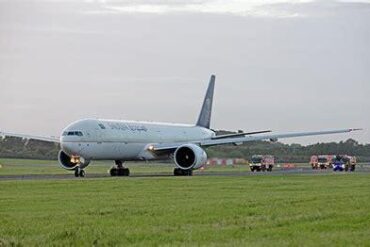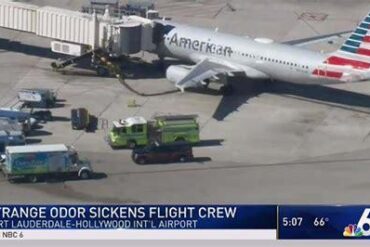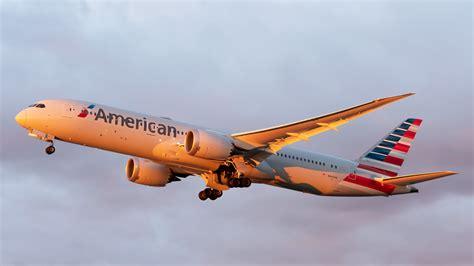
A transatlantic American Airlines Boeing 787-9 Dreamliner was forced to divert to Dublin Airport after six of the nine cabin crew members reported feeling unwell during a flight from Rome to Philadelphia. The incident occurred on American Airlines Flight AA719, which was operating from Rome Fiumicino Airport (FCO) to Philadelphia International Airport (PHL) when the crew alerted pilots about a possible medical emergency onboard.
The aircraft had been airborne for around three hours when the flight crew decided to divert toward Ireland. According to reports, several flight attendants experienced symptoms including dizziness and illness, raising concerns about a possible onboard air quality issue. American Airlines later confirmed that the diversion was triggered by a reported odor onboard, although the exact source of the smell has not been identified.
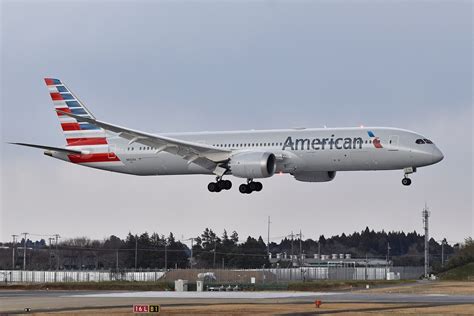
The aircraft involved was a Boeing 787-9 Dreamliner registered as N840AN, a seven-year-old aircraft delivered to American Airlines in 2019. Flight AA719 departed Rome at approximately 12:40 local time on July 25, 2026, for what was scheduled to be a nine-hour journey across the Atlantic. Flight tracking data showed the aircraft changing course toward Ireland after several crew members became unwell.
The Dreamliner landed safely on Dublin Airport’s Runway 28L roughly six hours after departure. Emergency medical personnel were waiting at the gate as a precaution. American Airlines confirmed that the affected flight attendants and one passenger were evaluated by paramedics and later released. The aircraft was carrying 281 passengers and 12 crew members, including nine flight attendants and three pilots.
American Airlines Links Diversion to Reported Cabin Odor
American Airlines stated that the diversion was made out of caution after reports of an unusual odor inside the aircraft cabin. The airline explained that paramedics met the aircraft upon arrival and assessed those affected before releasing them.
While the incident involved concerns about cabin air quality, the cause of the odor remains unclear. Unusual smells onboard commercial aircraft can come from multiple sources, including electrical issues, galley equipment malfunctions, cleaning chemicals, or other technical problems.
The aviation industry has paid increasing attention to onboard odor and fume-related events. Although such occurrences are relatively rare, they can lead to precautionary diversions when passengers or crew members experience symptoms. Airlines and regulators treat these situations seriously because protecting cabin occupants remains a top operational priority.
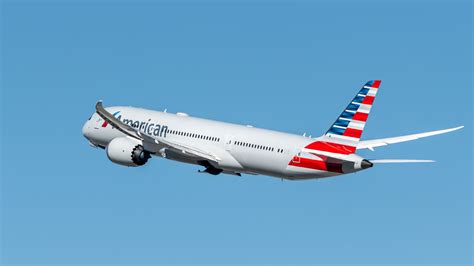
Why the Boeing 787 Dreamliner Is Different From Other Aircraft
The Boeing 787 Dreamliner involved in the incident uses a different cabin air system compared with many traditional commercial aircraft. Most modern passenger jets use engine compressor air, commonly known as bleed air, to supply conditioned cabin air. In rare cases, contaminants such as engine oil or hydraulic fluid can enter the air system during certain failures.
However, the 787 family uses an electric compressor-based air system that draws outside air through dedicated intakes rather than relying on traditional engine bleed air. This design was introduced partly to improve efficiency and reduce potential contamination risks associated with conventional systems.
Despite this difference, the 787 is not completely immune to cabin odor events. Aircraft contain many complex systems, electrical components, food preparation areas, and environmental controls that can potentially create unusual smells under certain circumstances. Investigators will likely examine multiple possibilities before determining the reason behind the AA719 diversion.
Diversion Creates Significant Costs for American Airlines
A long-haul aircraft diversion can create substantial operational and financial challenges for an airline. For American Airlines, the decision to divert a widebody aircraft resulted in additional expenses related to fuel, airport services, passenger accommodation, and crew scheduling.
Because Flight AA719 originated in the European Union, passengers may also be protected under EU261 passenger rights regulations. Even though American Airlines is a US-based carrier, flights departing from EU airports can fall under these compensation rules.
If passengers arrive at their final destination more than four hours late due to qualifying disruptions, eligible travelers may receive compensation of up to €600 per person. With 281 passengers onboard, potential compensation costs could exceed €190,000, excluding other expenses associated with the diversion.
Investigation Will Determine the Source of the Odor
At this stage, American Airlines has not confirmed what caused the reported odor or whether the issue was related to the aircraft’s technical systems. Maintenance teams will likely inspect the aircraft’s environmental controls, electrical equipment, cabin areas, and other possible sources before the aircraft returns to service.
The incident highlights the careful decisions made by airline crews when unusual conditions develop during flight. Although the aircraft landed safely and those affected were released after medical checks, the diversion demonstrates how quickly a routine international flight can change when crew health and passenger safety become concerns.