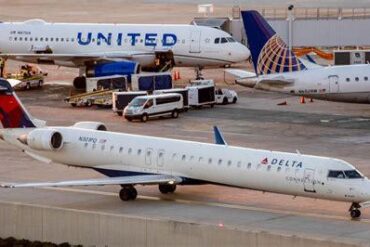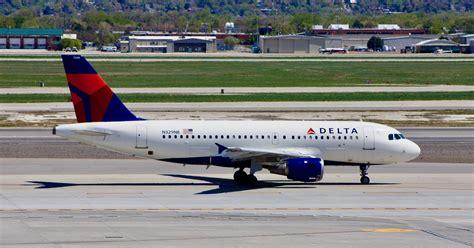
Delta Air Lines is reshaping parts of its domestic network with a notable route restoration from Raleigh–Durham International Airport (RDU) while reducing operations at its major New York John F. Kennedy International Airport (JFK) hub. The airline will bring back its pre-pandemic nonstop service between Raleigh–Durham and Fort Myers, Florida (RSW), while discontinuing flights from JFK to Houston, Memphis, and St. Louis.
The adjustments reflect Delta’s ongoing strategy of reallocating aircraft and airport capacity toward routes with stronger demand potential. While the airline is removing several domestic connections from JFK, many affected markets will continue to receive service through Delta’s operations at New York LaGuardia Airport (LGA), allowing the carrier to maintain regional connectivity across the New York metropolitan area.

Delta Restores Raleigh–Durham to Fort Myers Service After Six Years
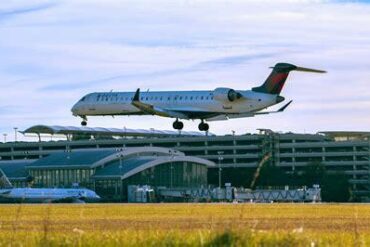
Delta Air Lines will restart nonstop flights between Raleigh–Durham and Fort Myers beginning on November 21, marking the return of a route that disappeared before the COVID-19 pandemic. The service will operate once daily using a Bombardier CRJ900 regional jet, providing travelers in North Carolina with another direct option to reach Southwest Florida.
The route will connect RDU with Southwest Florida International Airport, commonly known as Fort Myers Airport. The airport is one of the busiest single-runway airports in the United States and serves as a key gateway for travelers visiting Florida’s Gulf Coast, including destinations such as Naples, Cape Coral, and the surrounding communities.
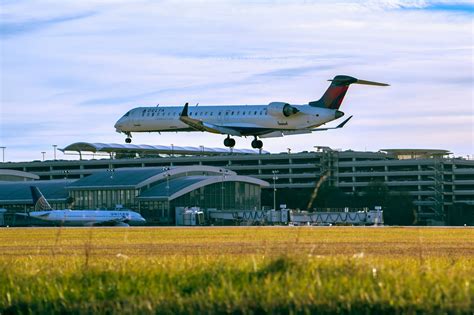
Delta’s return places the airline directly against Breeze Airways, which currently operates nonstop flights between Raleigh–Durham and Fort Myers. The competition highlights the strong seasonal demand for flights connecting colder northern regions with Florida destinations during the winter months.
The restored route will cover approximately 668 miles (1,076 kilometers), with flight times expected to be around two hours in each direction. Compared with driving, which can require more than 11 hours, the nonstop flight offers a significant time-saving advantage for leisure travelers seeking quick access to Southwest Florida.
Fort Myers Becomes an Increasing Priority for Delta’s Network Growth
The Raleigh–Fort Myers route represents another step in Delta’s broader expansion at Southwest Florida International Airport. Once launched, the service will become Delta’s tenth route to Fort Myers, strengthening the airline’s presence in a market that continues to attract both leisure and seasonal travelers.
The airline is also scheduled to introduce another Fort Myers connection from Austin-Bergstrom International Airport (AUS) on the same date. The addition reflects Delta’s increasing focus on expanding service from high-growth cities where travel demand remains strong.
Fort Myers is experiencing wider network growth as several airlines introduce new routes. Avelo Airlines plans to add connections from Fort Myers to Charlotte/Concord and Dallas/McKinney, while Breeze Airways is expanding service to destinations including Atlantic City, Dayton, Madison, and Trenton.
The competitive environment demonstrates how airlines are targeting Florida markets where population growth, tourism, and seasonal migration continue to generate demand. Delta’s decision to restore Raleigh service suggests the airline sees long-term value in reconnecting these two regions.
Delta Cuts Three Routes From New York JFK Network
At the same time Delta is expanding in Raleigh, the airline is reducing domestic flying from New York JFK by ending service to three major cities: Houston George Bush Intercontinental Airport (IAH), Memphis International Airport (MEM), and St. Louis Lambert International Airport (STL).
The changes appear to be part of a broader effort to optimize limited JFK capacity. JFK is one of the most competitive airports in the United States, with airlines constantly adjusting schedules to prioritize routes with stronger profitability, international connectivity, and strategic importance.
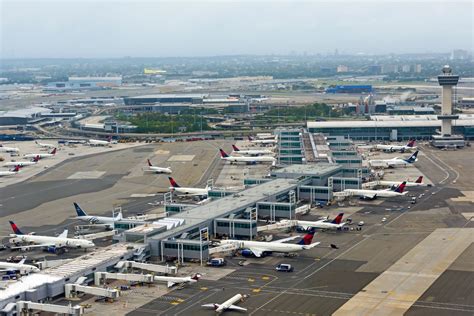
Although these routes will leave JFK, Delta will continue serving the affected markets from other New York-area airports. Flights to Houston, Memphis, and St. Louis will remain available through LaGuardia Airport, ensuring that passengers still have access to Delta’s network without requiring the airline to maintain duplicate operations across multiple airports.
For Houston travelers, the JFK cancellation will mean that JetBlue Airways becomes the only airline offering nonstop service between JFK and Houston. However, passengers will still have alternatives through LaGuardia and Newark, where Delta and United Airlines operate flights to the Texas city.
The St. Louis and Memphis markets will also continue receiving service from New York airports outside JFK. LaGuardia remains an important hub for short-haul domestic routes, allowing Delta to shift capacity while maintaining coverage across the region.
Delta’s Network Strategy Focuses on Efficiency and Demand
Delta Air Lines’ latest route changes demonstrate how major carriers continually adjust their networks based on market demand, aircraft availability, and airport strategy. The airline operates nearly 1,000 mainline aircraft and serves more than 325 destinations worldwide, making network optimization a critical part of its business model.
The return of the Raleigh–Fort Myers route shows Delta’s willingness to restore previously successful markets when demand conditions improve. Meanwhile, the JFK cuts indicate a move toward concentrating capacity where it can generate stronger returns.
As the airline prepares for the upcoming schedule changes, travelers in North Carolina will gain a new option for reaching Florida’s Gulf Coast, while New York passengers will see domestic routes increasingly consolidated through Delta’s LaGuardia operations. The changes reflect the continued evolution of the U.S. airline industry as carriers balance growth opportunities with operational efficiency.