The commercial aviation industry is built around carefully defined aircraft categories. Airlines depend on manufacturers to provide the right aircraft for every mission, from short domestic routes to ultra-long-haul international flights. For decades, Boeing maintained one of the most complete lineups in the industry, allowing carriers to move naturally from the Boeing 737 to the Boeing 757, then onward to larger aircraft such as the Boeing 767, Boeing 777, and Boeing 787 Dreamliner.
However, one crucial piece of that strategy disappeared when Boeing ended 757 production in 2004. The aircraft that replaced it never arrived. Today, that missing airplane has become one of the most expensive gaps in the global aviation market, particularly for major US airlines searching for a modern aircraft capable of handling routes too demanding for narrowbodies but too small for widebodies.
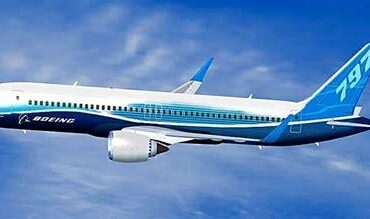
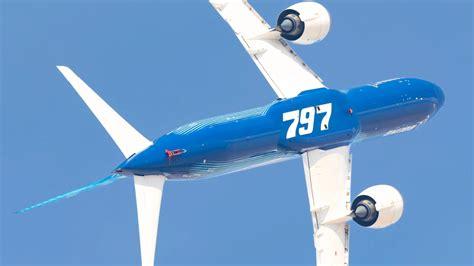
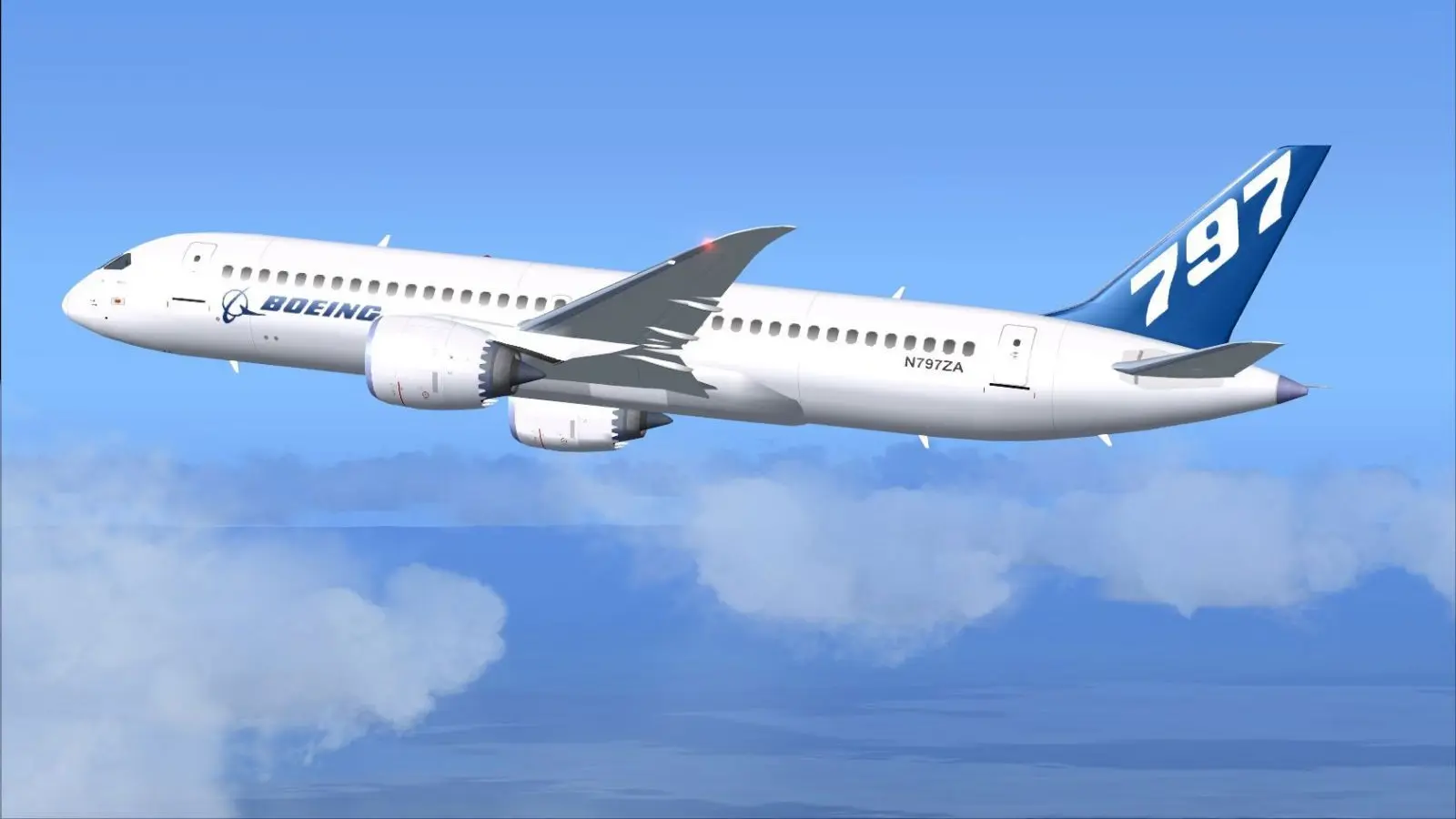
The aircraft Boeing never built was commonly known as the Boeing 797, officially linked to the company’s New Midsize Airplane (NMA) project. Although it never moved beyond concept studies, the aircraft represented a solution to one of commercial aviation’s most difficult problems: finding the perfect balance between capacity, range, and operating costs.
The Boeing 797 Was Designed To Fill Aviation’s Missing Middle Market
The proposed Boeing 797 was created to serve what the aviation industry calls the middle of the market. This category sits between large single-aisle aircraft such as the 737 MAX 10 and smaller widebody aircraft like the 787-8 Dreamliner.
For airlines, this segment is incredibly important because many profitable routes do not fit neatly into existing aircraft categories. A route may have enough demand for 220 passengers but not enough demand for 300 or more passengers. A traditional narrowbody may lack the necessary range or cargo capability, while a widebody may introduce excessive costs and too much capacity.
The Boeing 757 became legendary because it solved exactly this problem. With powerful engines, excellent runway performance, and impressive range, the aircraft could operate missions that other airplanes struggled to perform. It connected smaller European cities with the United States, served challenging airports, and provided airlines with the flexibility to open routes that previously appeared impossible.
The 797 concept attempted to bring that same capability into the modern era. Boeing studies suggested the aircraft would carry approximately 225 to 270 passengers and offer a range between 4,500 and 5,000 nautical miles. That capability would have allowed airlines to operate longer domestic flights, transatlantic services from secondary cities, and medium-density international routes.
Unlike the 757, which featured a traditional single-aisle cabin, Boeing explored a unique aircraft design that could potentially combine some advantages of widebody aircraft with the efficiency of a narrowbody. The company considered an oval-shaped fuselage that could support wider aisles and faster boarding while maintaining lower operating costs.
The concept promised several advantages. Airlines could potentially reduce turnaround times, improve passenger flow, increase cargo capacity, and achieve better fuel efficiency compared with existing aircraft serving similar missions.
Industry analysts believed demand for such an aircraft could reach thousands of units over several decades. The market opportunity was enormous, but Boeing ultimately chose a different path.
Why Boeing Cancelled The Aircraft Airlines Needed Most
The disappearance of the Boeing 797 was not caused by a lack of airline interest. Instead, the project became a casualty of Boeing’s most challenging period in modern history.
The 737 MAX crisis in 2019 dramatically changed Boeing’s priorities. The company was forced to dedicate significant resources toward aircraft certification changes, regulatory reviews, software updates, and rebuilding trust with airlines and aviation authorities.
Developing a completely new commercial aircraft requires enormous investment. A clean-sheet aircraft program can cost more than $15 billion before the first customer delivery. Beyond engineering expenses, manufacturers must create new production systems, establish supplier networks, build manufacturing infrastructure, and complete years of certification testing.
At the same time, Boeing was dealing with challenges involving the 787 Dreamliner production system, supply chain disruptions, and increased regulatory oversight. Launching another major aircraft program became increasingly difficult.
Boeing executives also believed that simply replacing the 757 with a conventional aircraft might not be the best long-term strategy. The company wanted future aircraft to include major advances in propulsion technology, manufacturing methods, digital engineering, and sustainability.
The delay was based on the idea that waiting could allow Boeing to develop a more advanced airplane later. However, the aviation market continued moving forward while Boeing remained on the sidelines.
Airlines still needed replacement aircraft. The 757 fleet continued aging, and carriers could not wait indefinitely for a future Boeing solution. As a result, they began turning toward available alternatives.
Airbus Turned Boeing’s Missing 797 Into A Major Competitive Advantage
The biggest beneficiary of Boeing’s decision was Airbus. The European manufacturer did not originally design the Airbus A321neo family as a direct replacement for the Boeing 797, but continuous improvements allowed the aircraft to capture much of the same market.
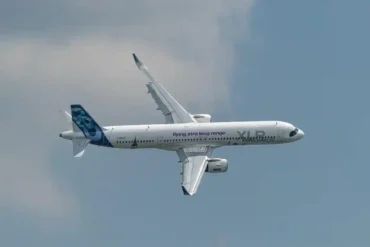
The introduction of the A321LR and later the A321XLR transformed expectations for single-aisle aircraft. These variants offered significantly increased range, allowing airlines to operate routes previously dominated by the Boeing 757.
The A321XLR, with a range approaching 4,700 nautical miles, became particularly attractive for airlines seeking long-range capability without the costs associated with widebody aircraft.
For many carriers, the aircraft represented a practical solution. It could fly transatlantic routes, connect smaller international markets, and serve premium domestic routes while maintaining the economic advantages of a narrowbody platform.
Major US airlines quickly embraced the aircraft family. Carriers including American Airlines, JetBlue Airways, and United Airlines incorporated long-range A321 variants into their future fleet plans.
One major advantage was fleet commonality. Airlines already operating large Airbus A320 family fleets could introduce A321LR or A321XLR aircraft without creating an entirely new operational ecosystem. Pilots, maintenance teams, spare parts systems, and airport procedures could all benefit from existing infrastructure.
This gave Airbus a powerful competitive advantage. Instead of waiting for Boeing’s next-generation middle-market aircraft, airlines increasingly accepted the A321XLR as the practical answer.
However, the Airbus solution is not identical to what Boeing planned. The A321XLR carries fewer passengers, has different cargo capabilities, and does not provide every operational benefit that a purpose-built 797 might have delivered.
The aircraft succeeded partly because Boeing was absent.
Why US Airlines Still Miss The Boeing 757 Replacement
The consequences of Boeing’s missing aircraft are particularly visible among US airlines.
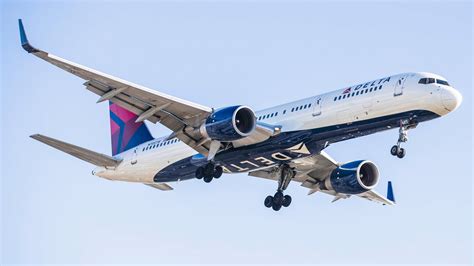
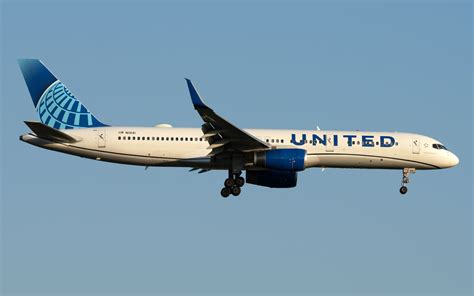
Several major carriers continue operating aging Boeing 757 fleets because no modern aircraft perfectly matches its capabilities. Delta Air Lines remains one of the world’s largest 757 operators, while United Airlines continues using the aircraft for both domestic and international missions.
The reason is simple: the 757 remains unusually versatile.
It can carry more passengers than most narrowbody aircraft, operate from airports with challenging conditions, and fly routes requiring substantial range. Replacing it has become a complicated balancing act.
Using a Boeing 787 Dreamliner on some former 757 routes may provide excellent fuel efficiency, but the aircraft often carries too many seats and creates higher trip costs. A smaller aircraft such as the 737 MAX may reduce capacity but may not provide the same range, payload flexibility, or performance.
As a result, airlines are forced to make compromises.
A purpose-built middle-market aircraft could have opened new opportunities for airlines. It could have supported premium-heavy domestic routes, thinner transatlantic markets, and growing international services from secondary airports.
Instead, airline network planners must constantly balance aircraft limitations with market opportunities.
The missing aircraft affects more than fleet replacement. It influences where airlines can fly, how frequently they can operate routes, and whether certain city pairs become financially attractive.
The Future Of Boeing’s Middle-Market Aircraft Strategy
The question surrounding Boeing’s missing aircraft remains one of the biggest strategic issues in commercial aviation.
The company has not abandoned the need for a new aircraft between the 737 MAX and 787 Dreamliner categories. However, any future replacement will likely look very different from the original 797 concept.
Advances in composite materials, digital aircraft design, manufacturing automation, and next-generation engines could allow Boeing to create a more efficient aircraft than what was possible during the original NMA studies.
But time is becoming increasingly important.
Every Airbus A321XLR delivered strengthens Airbus’ position. Airlines become more familiar with the aircraft, maintenance networks expand, and long-term fleet strategies become increasingly connected to Airbus products.
For Boeing, entering this market will require more than matching Airbus specifications. The company must convince airlines that introducing a new aircraft type provides enough economic value to justify additional training, maintenance complexity, and investment.
That challenge explains why the Boeing 797 remains such a fascinating aircraft in aviation history. It never entered production, never carried passengers, and never received airline orders. Yet its absence continues shaping airline decisions around the world.
The aircraft Boeing never built has become one of the industry’s most important airplanes precisely because it does not exist.
Until Boeing creates a true successor, US airlines will continue operating aging aircraft, accepting compromises, and searching for the missing link between narrowbody efficiency and widebody capability.