The Airbus A321XLR Is Redefining The Future Of Long-Range Single-Aisle Aviation
For decades, the middle of the market has remained one of the most difficult challenges in commercial aviation. The segment sits between conventional narrowbody aircraft designed for short and medium routes and larger widebody jets built for high-capacity long-haul operations. Airlines have repeatedly searched for an aircraft that could efficiently connect smaller cities across oceans, serve developing international routes, and replace aging aircraft such as the legendary Boeing 757 without accepting the higher costs associated with larger widebody fleets.
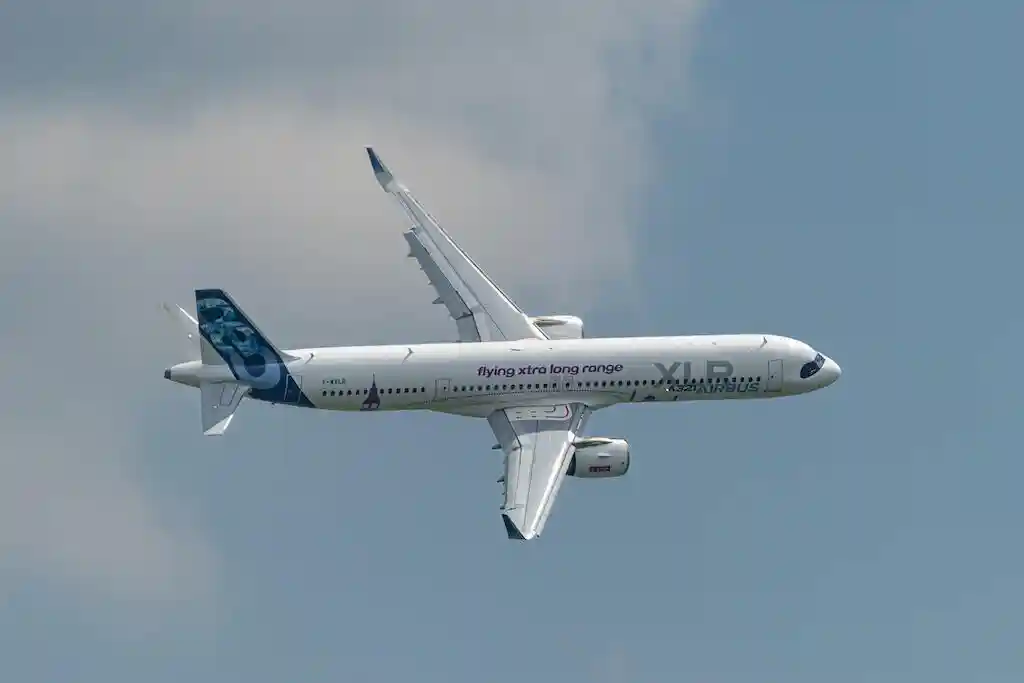
The arrival of the Airbus A321XLR has changed that equation. By extending the capabilities of the highly successful A321neo family, Airbus created an aircraft specifically designed for markets that previously lacked a practical solution. The aircraft combines long-range capability, narrowbody operating economics, and fleet commonality, giving airlines new opportunities to expand international networks while limiting financial risk.
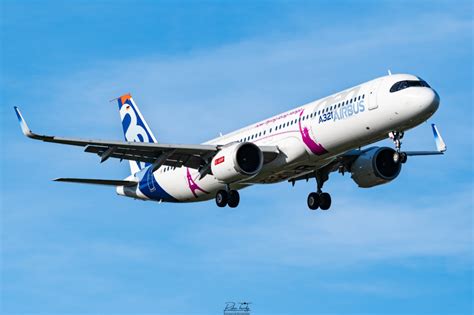
The A321XLR entered commercial service in 2025, beginning with operators such as Iberia before expanding into additional markets. In January 2026, IndiGo became the first Asian carrier to introduce the aircraft, highlighting the global interest surrounding Airbus’ newest narrowbody variant.
For Airbus, the aircraft represents more than another successful addition to the A320 family. It represents a strategic move into a segment that Boeing once controlled with the 757 but has not replaced. For Boeing, the growing popularity of the A321XLR raises difficult questions about its future product strategy and whether waiting for next-generation technology has allowed Airbus to gain an advantage that will be difficult to reverse.
Boeing’s Middle Of The Market Challenge Began After The Boeing 757 Retirement
The roots of Boeing’s current problem stretch back to 2004, when production of the Boeing 757 officially ended. At the time, the aircraft had developed a unique reputation because it offered a rare combination of passenger capacity, range, and performance. The 757 could operate efficiently on domestic transcontinental routes while also handling long international flights that smaller narrowbodies could not complete.
Airlines valued the aircraft because it could serve markets that existed between traditional categories. A route might not have enough demand for a 250-seat widebody aircraft, but it could still generate strong revenue with a smaller aircraft capable of flying thousands of miles. The 757 became particularly important for transatlantic services from secondary cities in North America to Europe.
After ending 757 production, Boeing expected airlines to transition toward larger versions of the 737 family or smaller widebody aircraft such as the 787 Dreamliner. However, neither option directly replaced the 757’s unique capabilities.
The largest Boeing 737 MAX variants provide excellent efficiency but cannot fully match the 757’s combination of range and payload flexibility. Meanwhile, widebody aircraft offer greater capacity but introduce higher purchase prices, increased airport costs, and more seats that must be filled on every flight.
Airbus identified this opportunity earlier. Instead of creating an entirely new aircraft, the manufacturer gradually improved the A321 platform. The development path moved from the standard A321neo to the A321LR and finally to the A321XLR, adding additional fuel capacity, aerodynamic improvements, and a higher maximum takeoff weight.
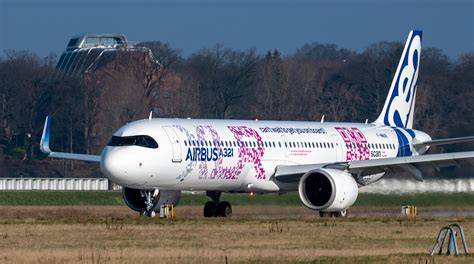
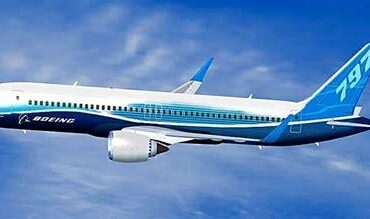
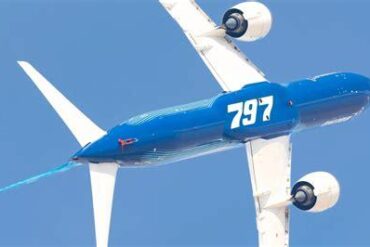
The strategy allowed Airbus to transform an existing narrowbody aircraft into a long-range platform capable of addressing a market Boeing had effectively left open. While Boeing has discussed a future New Midsize Airplane, often unofficially called the Boeing 797, no production aircraft currently exists.
That gap has become one of Boeing’s biggest strategic challenges. The company may eventually develop a superior aircraft, but Airbus already has an operational product flying passengers and generating airline confidence.
How The Airbus A321XLR Gives Airlines New Network Opportunities
The strongest advantage of the Airbus A321XLR is not simply its range. Its importance comes from the way it changes airline network planning.
With a maximum range of approximately 4,700 nautical miles (8,704 kilometers), the A321XLR can operate routes that previously required either a larger aircraft or a technical stop for refueling. This capability allows airlines to explore thinner long-haul markets where demand exists but does not justify a widebody aircraft.
A traditional widebody such as an Airbus A330 or Boeing 787 may require hundreds of passengers to achieve strong profitability. The A321XLR, carrying approximately 180 to 220 passengers depending on configuration, allows airlines to match capacity more closely with demand.
This creates opportunities for direct connections between secondary cities. Instead of requiring passengers to travel through major hubs, airlines can establish point-to-point services that improve convenience and reduce dependence on congested airports.
For example, an airline may previously have avoided launching a route between two smaller international markets because the available aircraft options created too much financial exposure. A widebody would be too large, while a standard narrowbody would lack sufficient range. The A321XLR fills this gap.
Airlines including United Airlines view the aircraft as a potential replacement for portions of their aging 757 fleets. Many future A321XLR missions closely resemble the routes that made the 757 successful decades ago.
The aircraft also provides advantages beyond route flexibility. Because the A321XLR belongs to the A320 family, airlines already operating Airbus narrowbodies benefit from common pilot training, maintenance systems, spare parts availability, and operational experience.
This fleet compatibility reduces the barriers associated with introducing a new aircraft. Airlines do not need to create an entirely separate infrastructure system, which improves the economic case for adoption.
Airbus Has Created A Significant First-Mover Advantage
One of Boeing’s biggest concerns is not simply the capability of the A321XLR but the timing advantage Airbus has created.
Developing a clean-sheet commercial aircraft requires many years of engineering work, supplier coordination, manufacturing preparation, testing, and certification. Even under favorable conditions, a completely new aircraft program typically requires close to a decade before entering airline service.
If Boeing launched a direct competitor today, Airbus would likely have years of operational experience before the aircraft reached customers. During that time, airlines would already have incorporated the A321XLR into their fleets, established new routes, trained crews, and developed maintenance networks.
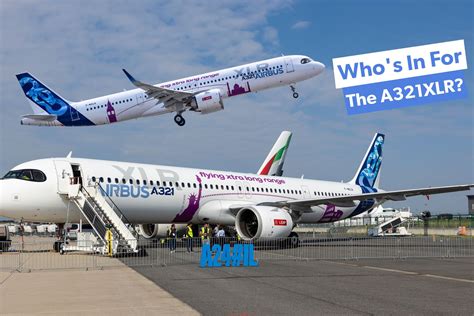
Commercial aviation is heavily influenced by ecosystem advantages. Once airlines commit to a particular aircraft family, changing manufacturers becomes increasingly expensive. Pilot training programs, maintenance facilities, spare parts inventories, and operational procedures all create long-term relationships between airlines and manufacturers.
The success of the A321neo family strengthens Airbus’ position even further. Airlines purchasing the A321XLR are often expanding within an existing A320 fleet rather than introducing an entirely separate aircraft type.
This means every additional A321XLR order reinforces Airbus’ broader narrowbody ecosystem.
Meanwhile, Boeing has faced competing priorities. The company has focused on restoring confidence in the 737 MAX program, completing certification efforts for variants such as the MAX 7 and MAX 10, and improving production stability across existing aircraft programs.
Those challenges have delayed decisions about a new middle-of-the-market aircraft. While Boeing’s cautious approach may allow it to introduce a technologically advanced aircraft later, the delay has given Airbus valuable time to establish dominance.
Airline Demand Shows Strong Support For The A321XLR Strategy
Aircraft programs ultimately depend on airline demand, and the market response toward the A321XLR demonstrates strong confidence in Airbus’ approach.
The broader A321neo family has become one of the most successful commercial aircraft programs in history. The A321XLR represents the highest-capability version, offering airlines a unique combination of efficiency and range.
Network carriers see the aircraft as a solution for replacing older 757 fleets and expanding international services. Low-cost carriers view it as an opportunity to enter longer-distance markets while maintaining the economic advantages of a single-aisle fleet.
Leasing companies are also attracted to the aircraft because its flexibility allows it to serve multiple airline business models. A long-range narrowbody can be useful for traditional network airlines, leisure carriers, and emerging international operators.
However, the A321XLR is not a universal replacement for every aircraft category. Some airlines still require larger widebody aircraft for routes with strong cargo demand or consistently high passenger volumes.
Aircraft such as the Airbus A330neo and Boeing 787 remain valuable for long-haul markets requiring greater capacity. The middle-of-the-market segment is significant, but it does not eliminate the need for larger aircraft.
The challenge for Boeing is that Airbus currently controls the segment almost entirely. Airlines seeking the specific combination of range, capacity, and narrowbody economics offered by the A321XLR have limited alternatives.
Boeing’s Problem Is Strategic Rather Than Technical
The Airbus A321XLR does not mean Boeing has lost its ability to compete. Boeing remains one of the world’s most experienced aircraft manufacturers and has produced some of aviation’s most successful commercial aircraft.
The company’s challenge is deciding when to invest billions of dollars into a new aircraft program. Boeing must determine whether future engine technology will create enough improvement to justify a clean-sheet design rather than simply matching Airbus’ existing aircraft.
A future Boeing middle-of-the-market aircraft could eventually offer greater range, improved efficiency, or advanced technology. However, technology leadership alone may not be enough. Timing and market presence are equally important.
Airbus has already placed the A321XLR into airline operations, allowing customers to experience its capabilities today rather than waiting for a future solution.
The biggest risk for Boeing is that Airbus could influence airline strategies for the next decade. As more carriers develop routes around the A321XLR, the aircraft becomes more than a product. It becomes part of the global aviation network.
By the time Boeing introduces a competitor, many of the most attractive middle-of-the-market opportunities may already have been captured.
The Airbus A321XLR Could Shape The Next Era Of Long-Haul Narrowbody Flying
The success of the Airbus A321XLR demonstrates how a manufacturer can redefine an entire market by combining existing technology with a clear understanding of airline needs.
The aircraft solves a problem airlines have faced since the retirement of the Boeing 757: how to connect cities that are too far apart for traditional narrowbodies but do not generate enough demand for widebody aircraft.
Airbus’ approach has created a practical solution that is available now, supported by an established fleet family, and attractive to airlines seeking efficiency and flexibility.
For Boeing, the issue is not simply losing individual aircraft orders. The larger concern is allowing Airbus to establish the standard for a critical segment of commercial aviation.
The middle of the market may not represent every future airline requirement, but it represents a major opportunity. With the A321XLR already flying and expanding globally, Boeing faces increasing pressure to respond.
The aircraft that replaces the 757 legacy may already have arrived, and it carries an Airbus logo.